USS Iowa (BB-61)
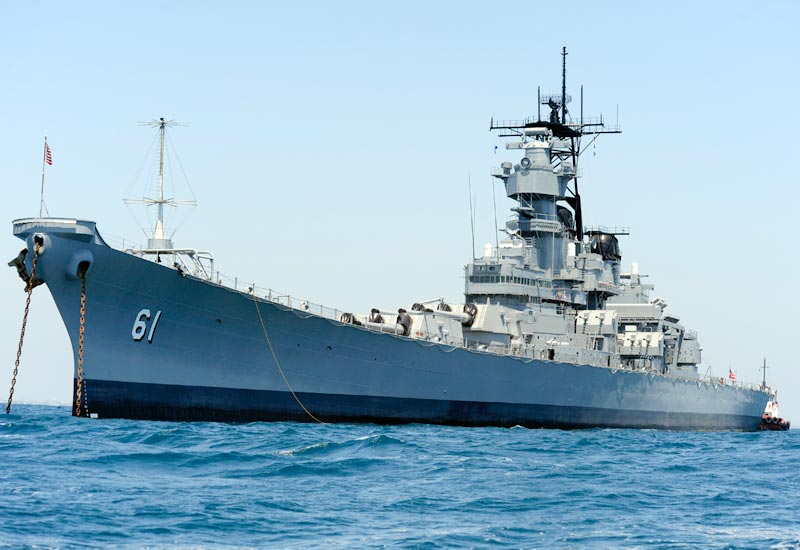
The USS Iowa was recipient of no fewer than 11 battle stars during her reign of the seas.
By Staff Writer
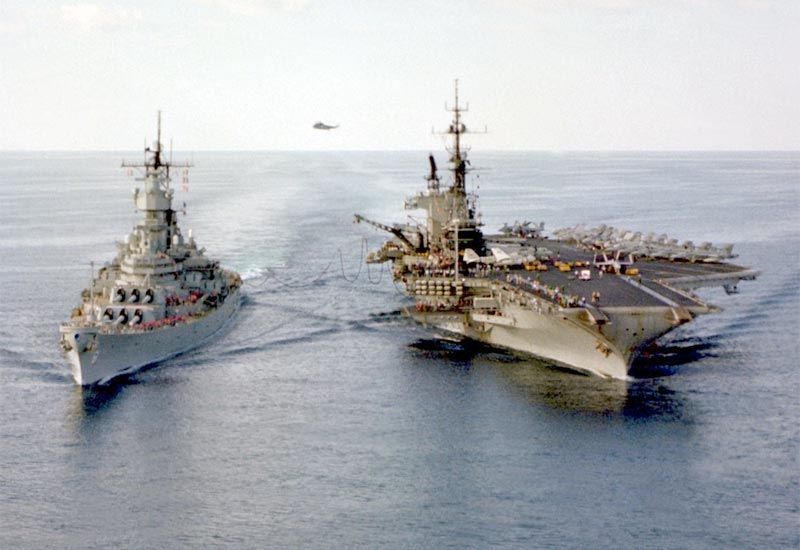
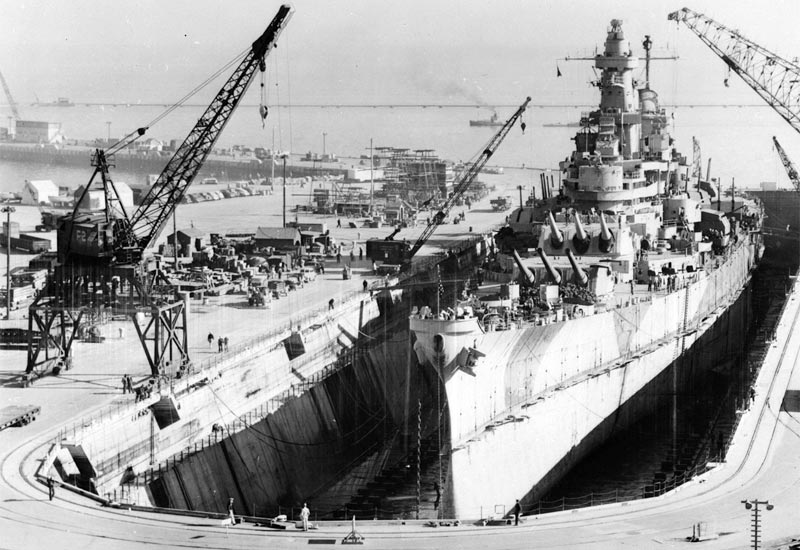
The USS Iowa was the first in the line of Iowa-class battleships that was joined by sisters USS New Jersey, USS Missouri and USS Wisconsin. The battleship was born out of a need to deter the Imperial Japanese Navy from continuing work on their new treaty-violating designs and was therefore meant to pack quite a punch. With the new and speedy Essex-class carriers also being laid down for the US Navy, the fleet needed something of force that could keep up with the new vessels at speeds in excess of 30 knots yet still provide the firepower of a traditional battlecruiser. The USS Iowa set out from Chesapeake Bay in February of 1943.
By August of that year, the USS Iowa was already on open seas assignment, escorting ships in the Atlantic and transporting the United States President - Franklin Roosevelt - to the region of North Africa. It was not long before the system was eventually made part of the Pacific Fleet where she would end up seeing most of her combat action in World War 2. Once active in the theater, the USS Iowa took part in the Marshall Islands campaign, the Philippines, the Okinawa landings, and the assault on targets in Honshu and Hokkaido. Her massive battery of 16" guns pummeled fortified shoreline positions and targets of interest. In the attacks she sustained only relatively light damage from oncoming Japanese artillery.
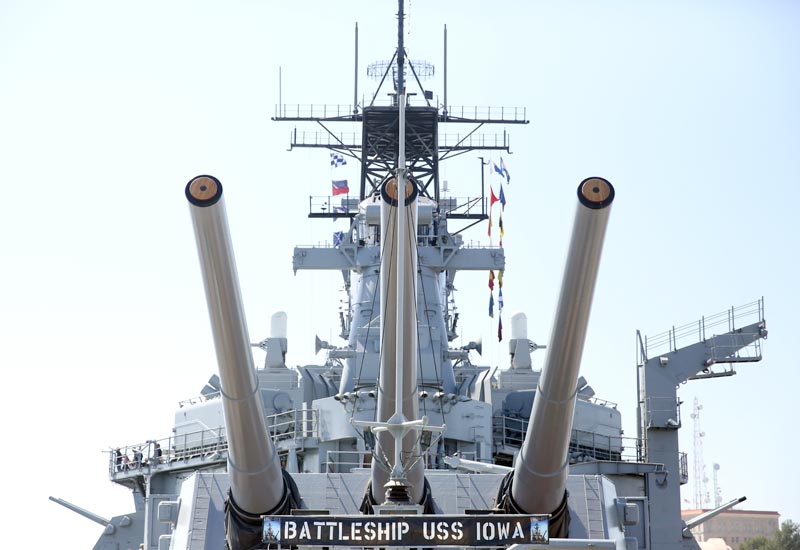
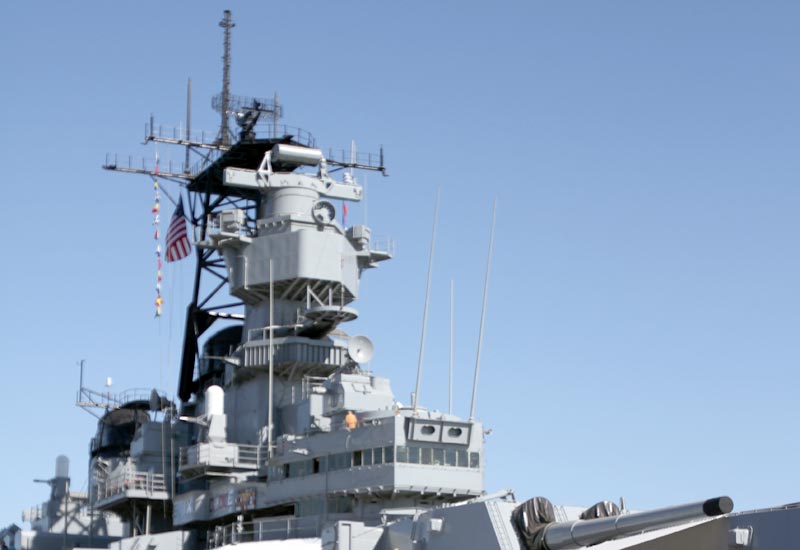
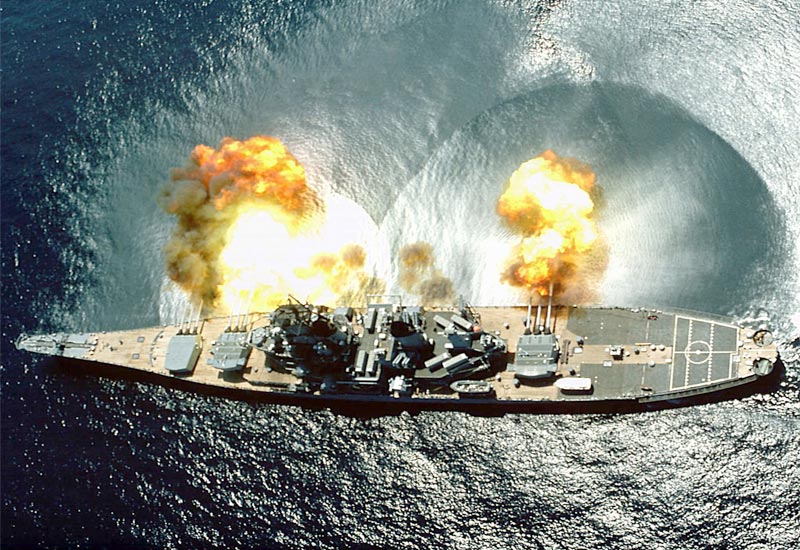
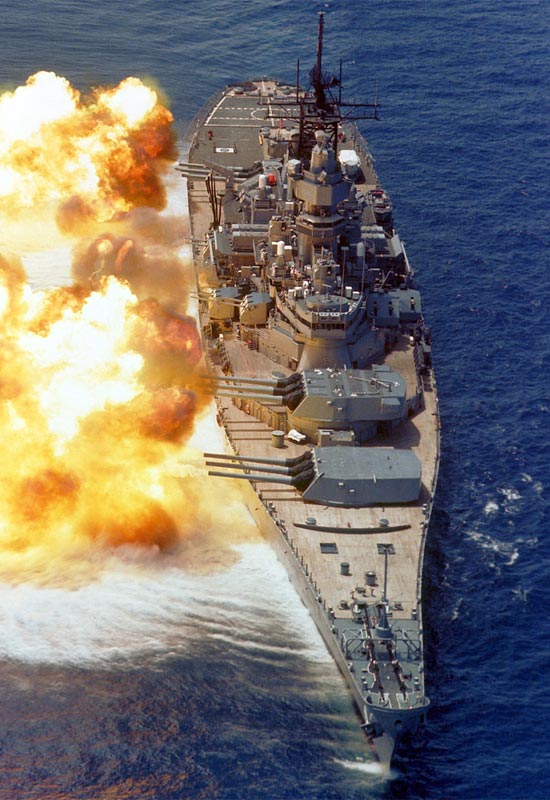
The Iowa-class was characterized by her 9 x 16" main guns with three guns fitted to each turret consisting of two turrets fore and one aft. These were augmented by the 20 x 5" guns and further defensed by the 80 x 40mm anti-aircraft and 49 x 20mm anti-aircraft cannon systems. Onboard reconnaissance and patrol could be conducted through the use of up to three Vought type Kingfisher floatplane aircraft held onboard. Crew complement totaled 1,921 personnel in 1943. Power was derived from 4-shaft geared turbines delivering some 212,000 shaft horsepower allowing for a top surface speed of 33 knots to be reached in ideal conditions.
At the end of the war, the USS Iowa served with the massive flotilla of navy vessels standing guard in Tokyo Bay, Japan. Shortly thereafter, she was made flagship for a time until final decommissioning in 1949 only to be called back into service by 1951 in time for the Korean War. Serving once again as flagship, she pounded shoreline and inland installations with precision and supported ground movements at every turn. Before the cease fire of 1953, the Iowa was already on her way back home for overhaul and further crew training exercises ultimately to be decommissioned again in 1958.
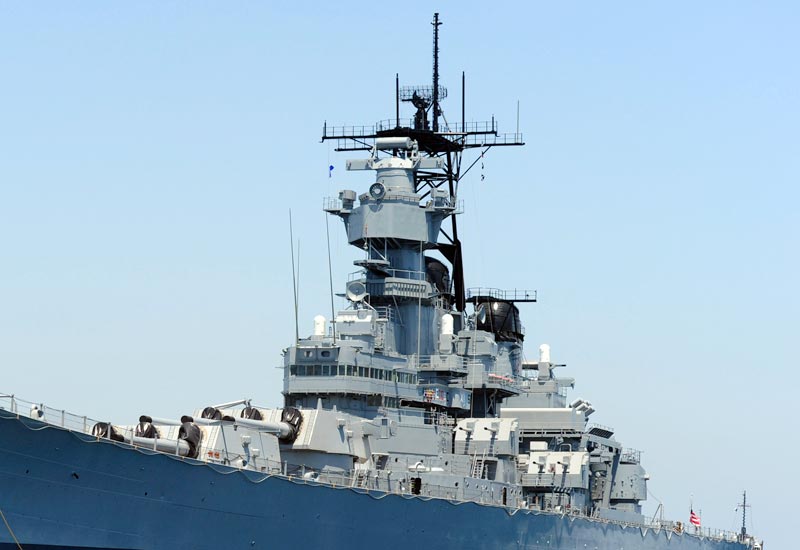
By 1982, the Iowa-class ships were undergoing a period of heavy modernization that included the installation of Tomahawk cruise missiles, Harpoon anti-ship missiles and close-support Phalanx anti-missile systems. The Iowa-class ships were reactivated for service once again and the USS Iowa was used in the Persian Gulf for escort duties of Kuwaiti tankers.
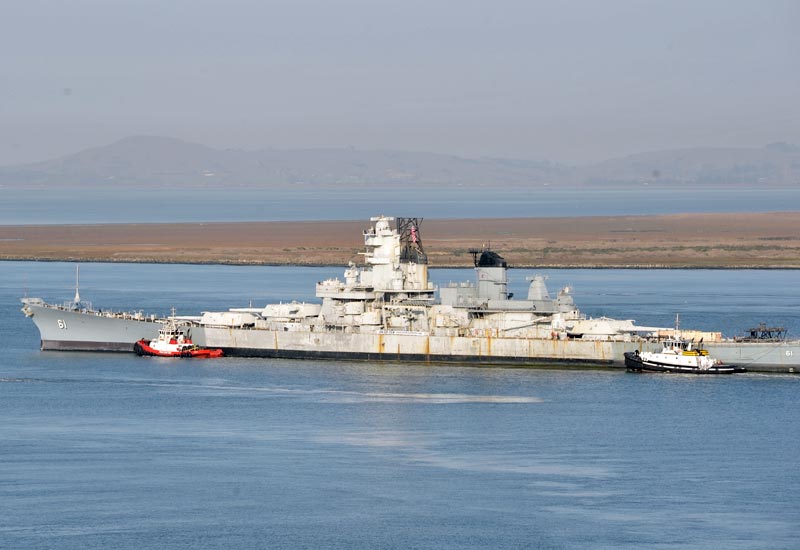
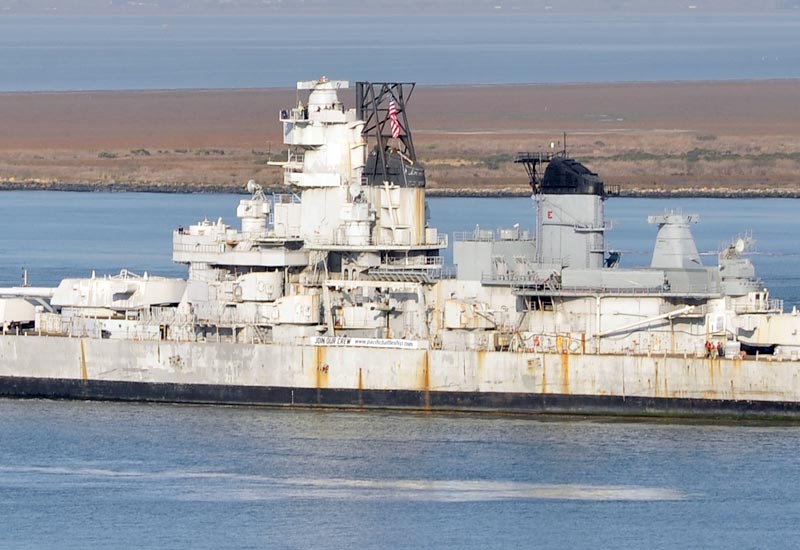
The USS Iowa suffered a catastrophic explosion in her number two turret when a powder magazine ignited. The result was the loss of 47 souls with the likely culprit later to found being static electricity of 1930's era magazines. This event led to several changes in the handling and storing of the powder for future's sake. With the investigation complete, the Iowa set off once more on the high seas, this time to locales in Europe. By 1990, the USS Iowa was officially decommissioned for good and landed at port in Suisun Bay, San Francisco, California.
The USS Iowa was ordered in 1939 and laid down the following year. She was then launched in 1942 and officially commissioned in 1943. The mighty Iowa is known affectionately as "The Big Stick". It is likely that the USS Iowa will survive as a floating museum in dock at Vallejo, California.
History text ©2003-2009 www.MilitaryFactory.com • All Rights Reserved
No Reproduction Without Permission • Corrections / Comments to MilitaryFactory at Gmail dot com
Last Updated: 11/3/2008
|