|
|
Browning M1918 BAR (Browning Automatic Rifle)
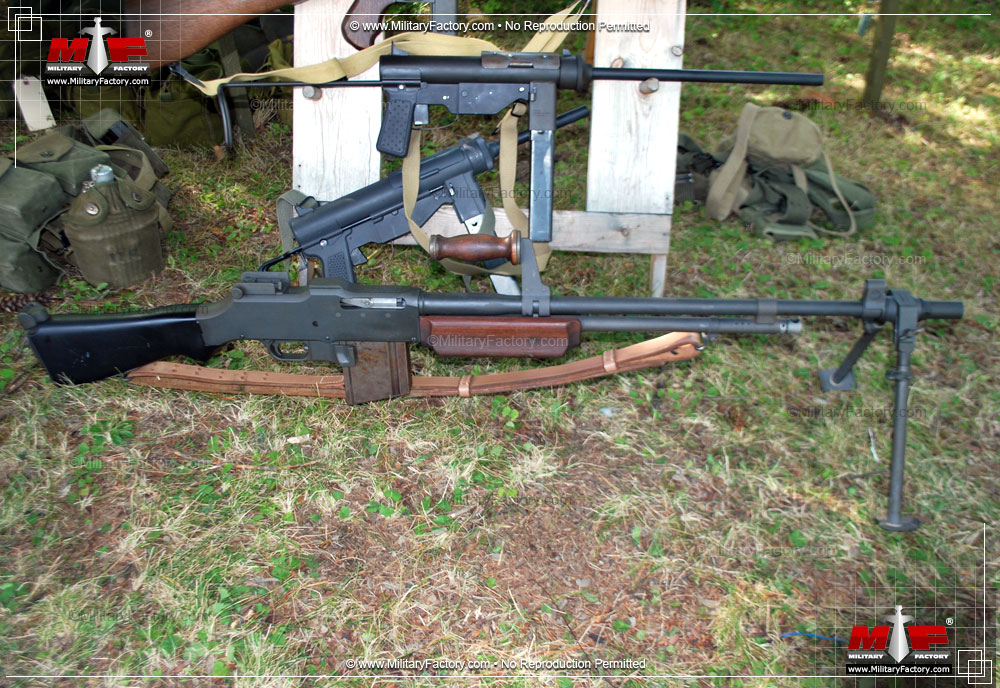
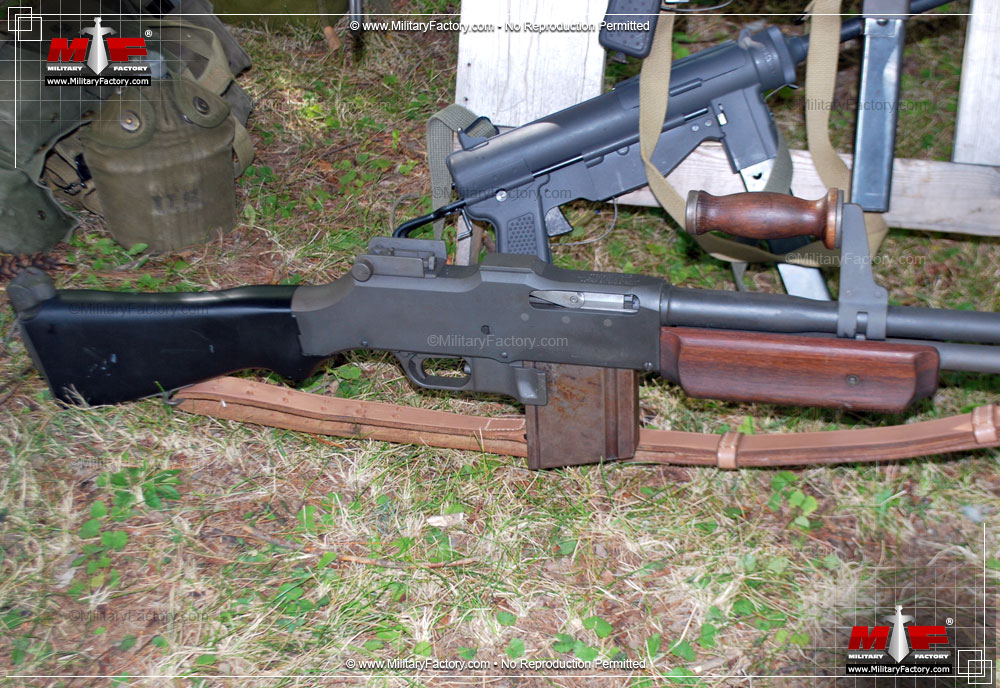
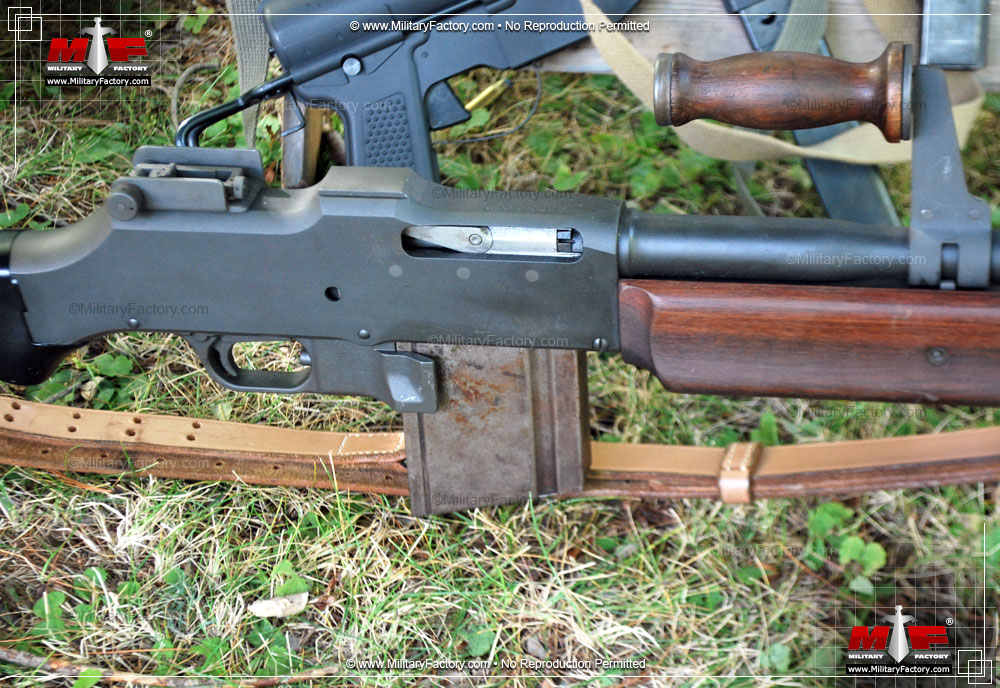
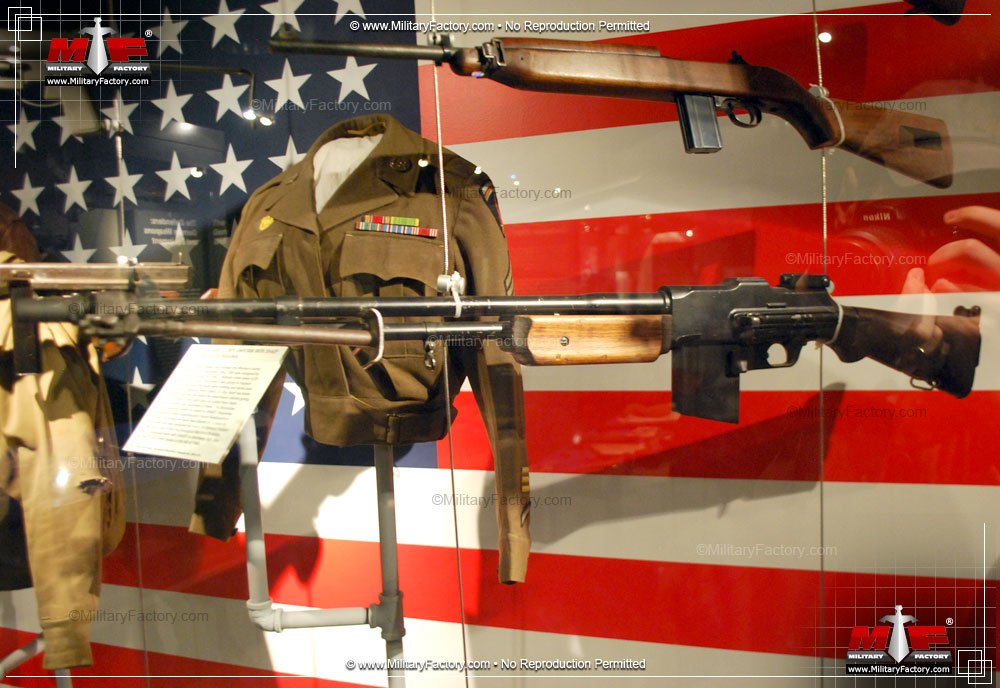
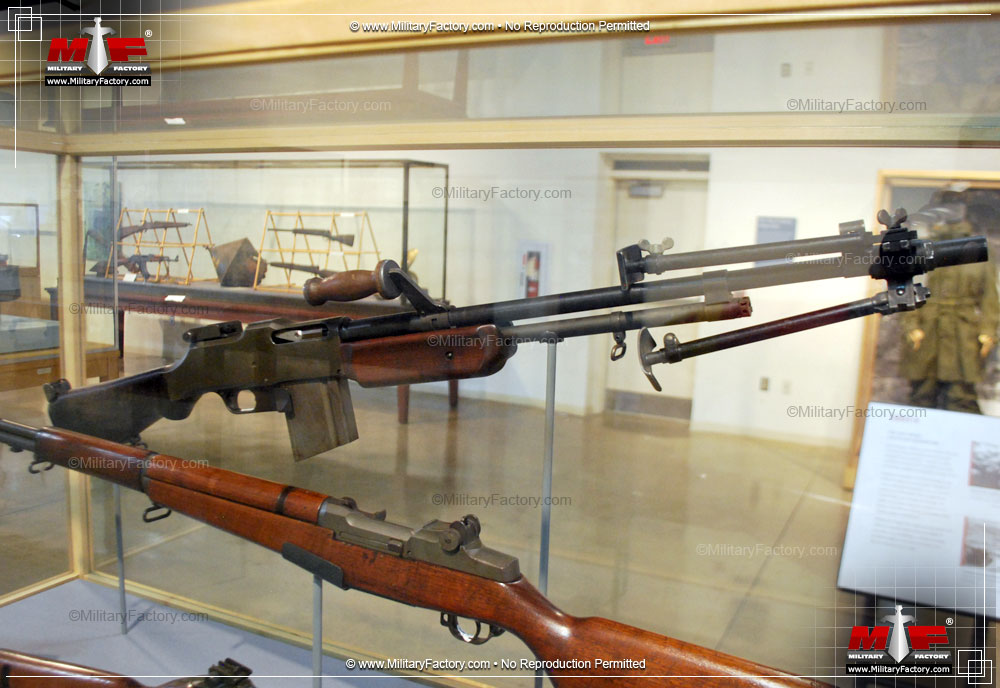
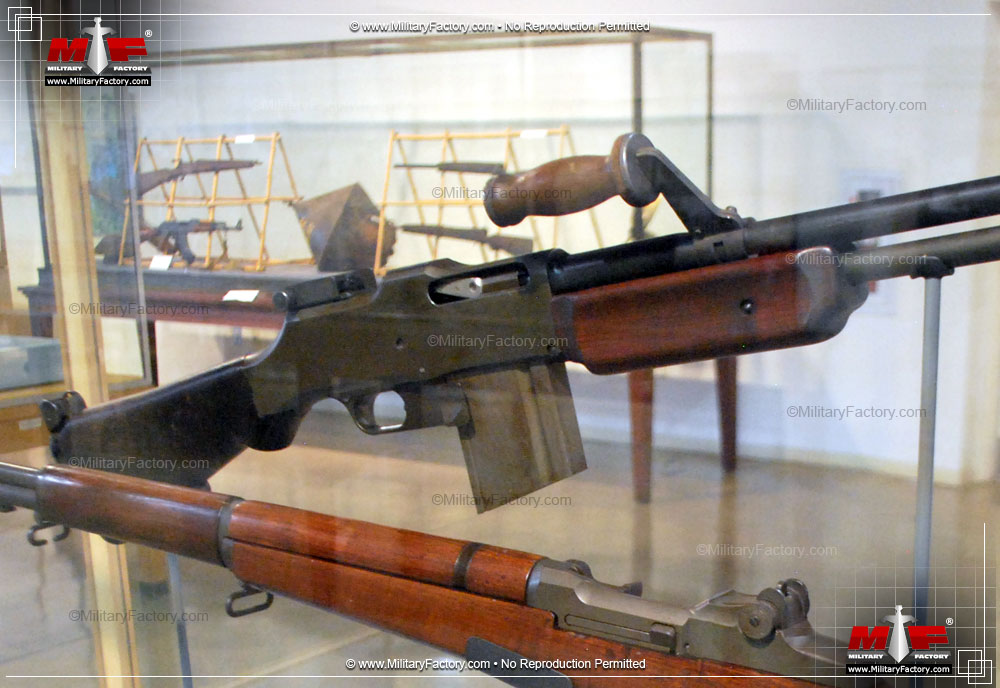
The M1918 BAR proved its worth in the Second World War.
By Staff Writer
The M1918 BAR ("Browning Automatic Rifle") was born out of the World War One idea of a single soldier armed with the power of a machine gun. Pushing the theory behind this concept were the French, whose own experience with the brutal realities of trench warfare and the slow firing and reloading actions of their bolt-action rifles were all too real. The BAR, though never living up to the design specifications, would nevertheless become the legendary support weapon of the United States Army.
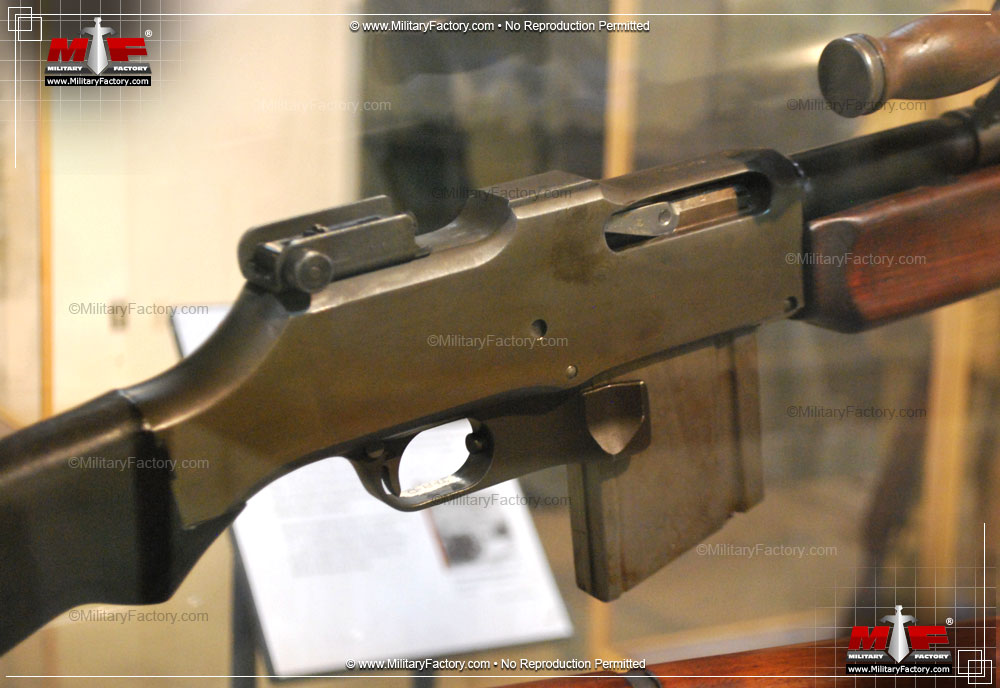
The M1918 BAR was a tweener weapon, not necessarily a traditional rifle but not quite every squad's machine gun system. The weapon suffered from being too clumsy to wield and fire from the shoulder in the way a bolt-action rifle would be fired. In that same vein, the weapon fired from a 20-round detachable box - making the need to reload it not an effective machine gun. The internal workings of the system were also overly complicated to produce, though this type of craftsmanship would make the M1918 virtually unbreakable in the heat of battle.
Though never a breakout weapon in the First World War, the M1918 saw extensive use with American forces in the Second World War, being utilized in the squad support role. The weapon would also become the first US-designed and produced selective-fire weapon. Indeed it was a welcomed addition to any rifle platoon that sought the suppressive fire capabilities of the portable pseudo-machine gun system.
The intial M1918 BAR was fitted with a selective fire system that allowed the user to squeeze off a single round or engage in full automatic fire. A later conversion of the system would remove the single-shot firing capability and make way for a selective full automatic fire mode that allowed the user to choose between full auto fire at 350 rounds per minute or 550 rounds per minute.
The M1918 saw massive export to armies around the globe. Ceasing activities with the United States military by 1955, the system progressed in number with other nations well into the 1970's. From there on it became a much sought after collector's piece - owing to the durability of John Browning's original design.
History text ©2003-2009 www.MilitaryFactory.com • All Rights Reserved •
No Reproduction Without Permission • Corrections / Comments to MilitaryFactory at Gmail dot com
Last Updated: 6/16/2009
|
| Specifications for the Browning M1918 BAR (Browning Automatic Rifle) |
Operation: |
Action: Gas Operated Piston and Cylinder
Cartridge: 30-06 Springfield
Feed System: 20-Round Detachable Box
Cyclic Rate-of-Fire: 500 rds/min
Effective Range: 1,069ft (326m; 356yds)
Sights: Fixed Iron Sights
|
|
Dimensions: |
Overall Length: 1,214mm (47.80in)
Barrel Length: 0mm (0.00in)
Empty Weight: 7.25kg (15.98lbs)
|
|
|
| Pictures of the Browning M1918 BAR (Browning Automatic Rifle) |
|
| Special Infantry Weapons Collections |
|
|
| Recent Infantry Weapons Additions |
|
| Contacting MilitaryFactory.com |
| We can only get better if you tell us how. You can contact MilitaryFactory.com at MilitaryFactory at gmail dot com (replace "at" with "@" and "dot with ".") with any questions, comments or corrections. We also accept related military imagery that you approve for us to use on our website. Keep in mind, however, that due to volume, we may not directly respond to your inquiry. Please add us to your list of non-blocked recipients! |
|
|
| Variants |
M1918 - Debuted in 1917; base BAR variant with smooth tapered barrel system; swivel stock; sans bipod configuration.
M1918A1 - Debuted in 1937; shoulder support plate; hinged bipod assembly; increased overall weight to 18.3 lbs; spiked bipod fittings; single-shot and full automatic firing modes.
M1918A2 - Debuted in 1940; fitted with bipod with skid feet; mo single shot selection provided; carrying handle incorporated; adjustable rear sight aperture.
Browning vz. 1928 - Polish-produced M1918 systems.
IMG 28(p) - Nazi German designation for captured Polish Browning wz. 1928 systems.
|
|
|