Global Firepower | Military Industrial Complex | Second World War History
Home | Military Pay Scale Chart | Aircraft | Infantry Weapons | Military Vehicles | Navy Ships | Military Education | French Military Victories | Military Ranks | WW2 Weapons
Military Factory Latest from Military Factory
Thumbnail picture of the Dardo infantry fighting vehicle
Dardo IFV
Thumbnail picture of the Supermarine Scimitar fighter
Supermarine Scimitar
Thumbnail picture of the Centauro B1 8x8 tank killer
Centauro 8x8
Thumbnail picture of the Novi Avion fighter
Novi Avion
Thumbnail picture of the FR F2 bolt-action sniper rifle
FR F2
Thumbnail picture of the Lebel Model 1886 bolt-action rifle
Lebel Model 1886
2009 Military Pay Scale Chart - for Army, Navy, Air Force and Marines
  BY TYPE
    · Anti-Aircraft
    · Anti-Materiel
    · Anti-Tank
    · Automatic Rifles
    · Bolt-Action Rifles
    · Howitzers
    · Lever-Action Rifles
    · Machine Guns
    · Mortars
    · Muskets
    · Pistols
    · Revolvers
    · Shotguns
    · Sniper Rifles
    · Special Weapons
    · Submachine Guns
    · View All Weapons

Military Factory > Infantry Weapons > Carl Gustav
 
 
More Pictures QuickGraphs Ballistics Chart CompareX2 Acronyms

Carl Gustav

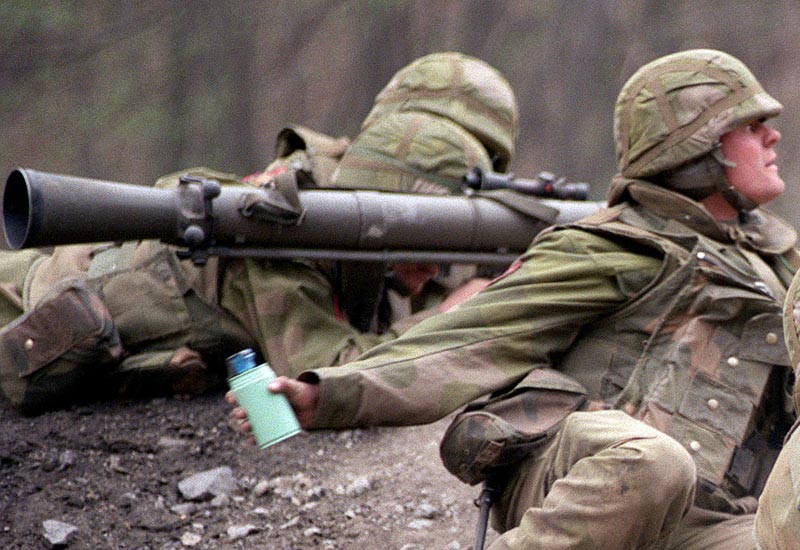
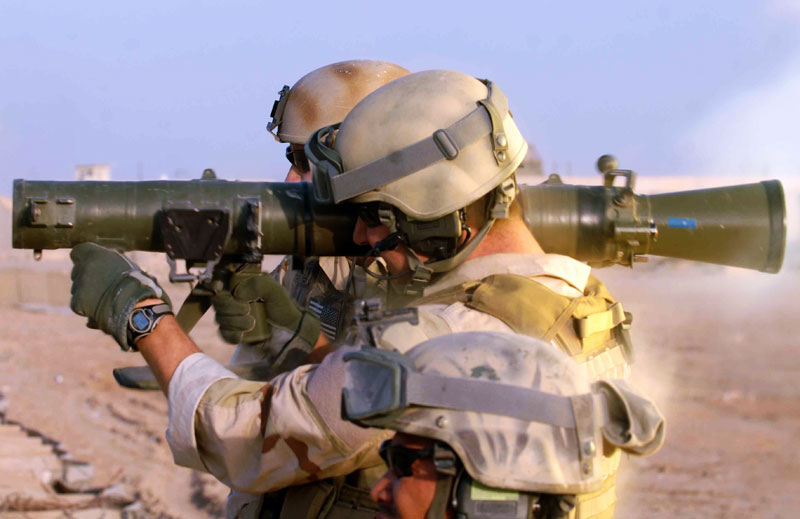
The Carl Gustav recoiless rifle design is a popular and widely used multi-purpose weapons platform appearing with various military groups across the globe.
By Staff Writer

Bookmark and Share

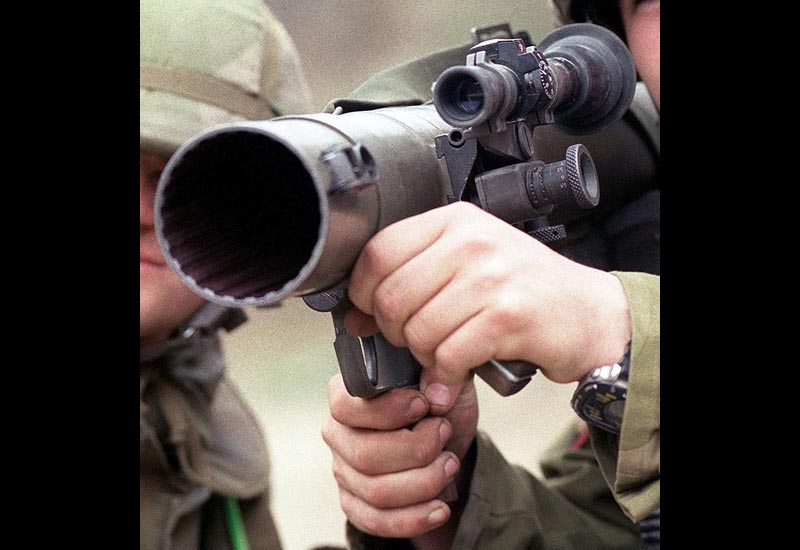
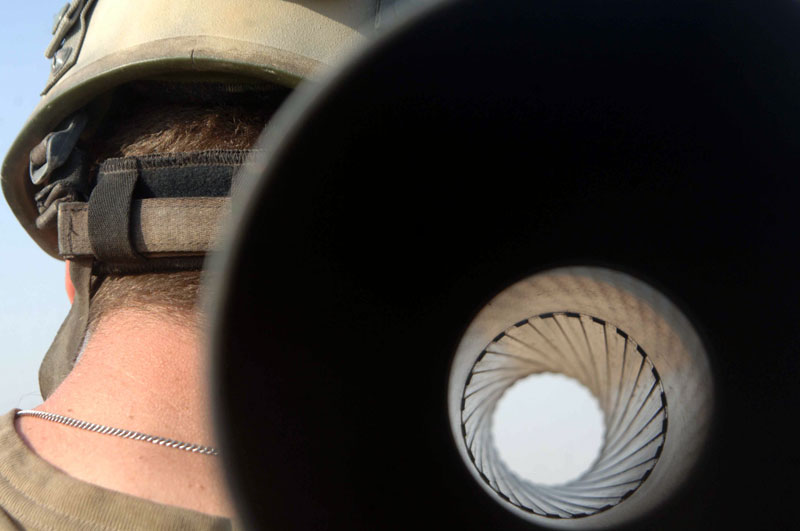
The global reach of the Carl Gustav recoilless rifle emphasizes the popularity of the weapon, appearing in three major variants and in use by standard military and special forces alike for some sixty years. The system has been noted from the start for its accuracy, impressive range and firepower since appearing with the Swedish Army in 1948. The system earned its distinct name from the production facility from whence the initial rifles were produced - Carl Gustafs Stads Gevarsfaktori in Sweden - a facility now owned by Bofors.

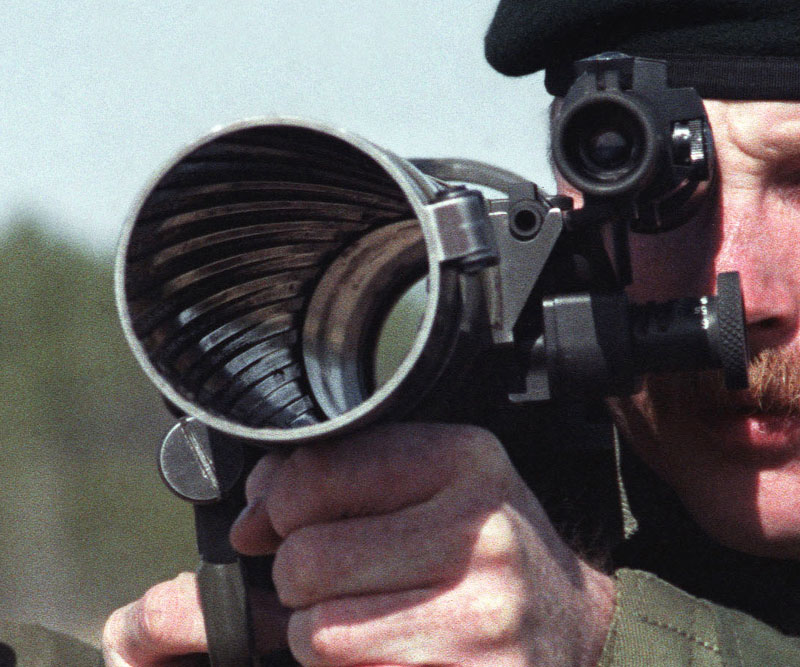
When introduced, the Carl Gustav was similar in most respects to weapons such as the American Bazooka, British PIAT or German Panzerschreck anti-tank weapons. The Carl Gustav was a recoilless rifle design featuring a rifled barrel which instantly differentiated itself from its contemporaries. The rifled barrel allowed for stabilization of the ammunition to occur through the barrel, negating the need for spring-loaded fins to be used once the projectile reached flight (a popular feature in other systems). This operation allowed the Carl Gustav's projectile greater range and firepower and quickly made it a favorite amongst its users.

Since its inception, the Carl Gustav went on to become a pivotal offensive arm of military forces around the globe (even seeing license-production in Japan with Sumitomo). The M1 appeared in 1948 and was followed by the improved Carl Gustav M2 in 1964. The M3 followed decades later in 1991 and featured a host of improvements, chief among these being a reduction in overall weight in part to the replacement of internal steel components. The Carl Gustav remains in operational service in its varied forms and is a particular favorite with special forces groups including the United States Special Operations COMmand (USSOCOM) units.

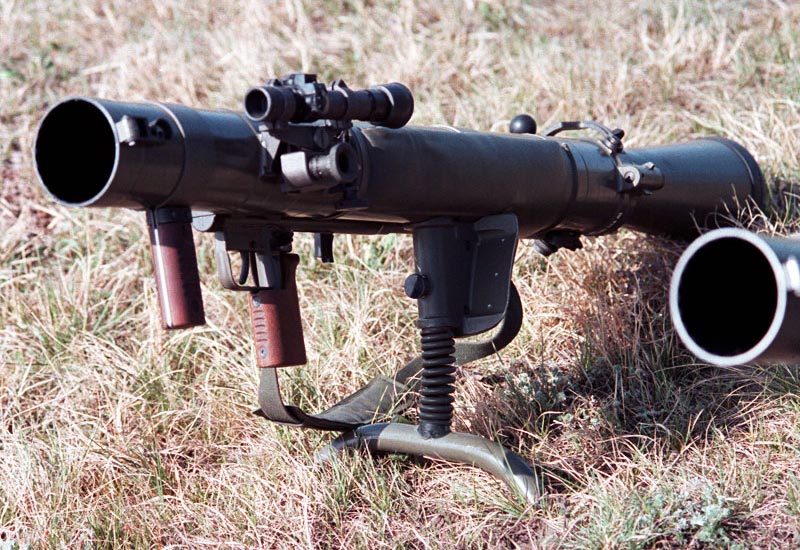
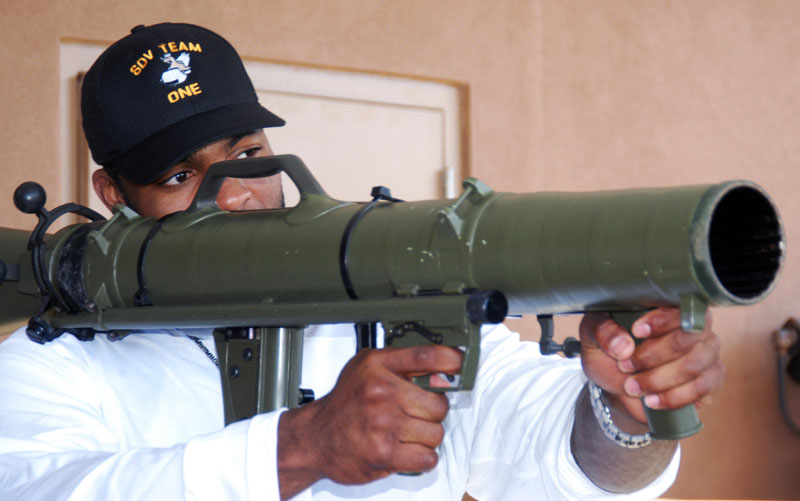
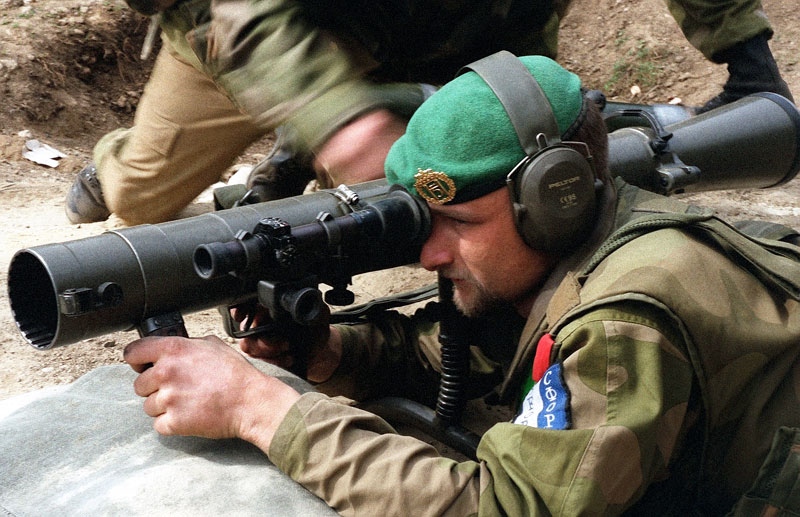
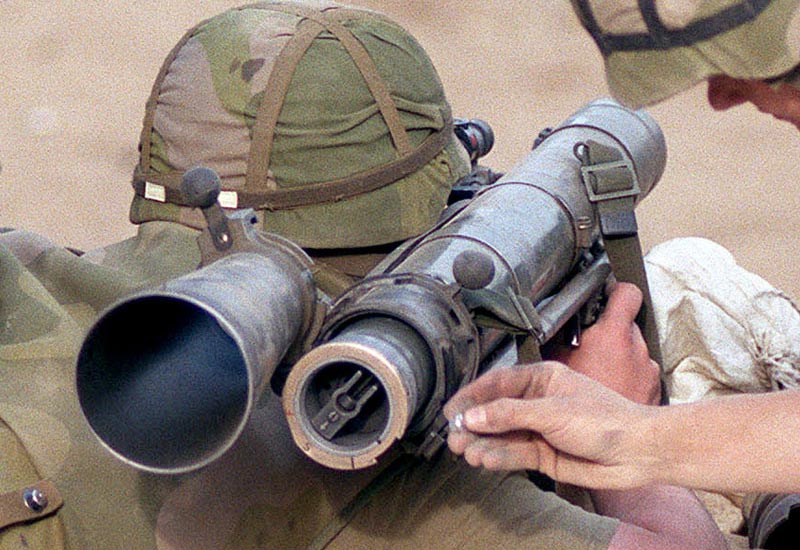
The rifle can fire all types of ammunition beyond its primary anti-armor projectiles and include illumination, anti-structure, smoke, practice and anti-personnel (flechette) projectiles. A crew of two is required for optimal service though the simplicity of the system allows for a single operator/firer at the cost of rate of fire. Optical, laser rangefinder and image intensification sights (along with the standard iron sights) can be mounted and greatly improve the weapon for a variety of specialty roles as needed. Ammunition is reloaded through a hinged breech on the side of the tube. The basic main tube features a pistol grip, a forward grip, shoulder strap and optional bipod along with standard iron sights.

History text ©2003-2009 www.MilitaryFactory.com • All Rights Reserved • No Reproduction Without Permission • Corrections / Comments to MilitaryFactory at Gmail dot com

Last Updated: 7/6/2009 • Special Thanks to Capt. Bill D., CD


  Specifications for the Carl Gustav
arrow downOperation:
Action: Hinged Breech; Percussion Firing Mechanism
Cartridge: 84mm / 8.4cm
Feed System: 1
Cyclic Rate-of-Fire: 6 rds/min

arrow downDimensions:
Overall Length: 1,130mm (44.49in)
Barrel Length: 0mm (0.00in)
Empty Weight: 0kg (0.00lbs)


  Pictures of the Carl Gustav
     
Picture of Carl Gustav
Picture of the Carl Gustav
     
arrow upView All 9 Images

More Pictures QuickGraphs Ballistics Chart CompareX2 Acronyms

  Special Infantry Weapons Collections

Weapon Groups:
Ancient Weapons
Chainmail Armor
Glock Handguns
Heckler & Koch
Kalashnikov Rifles
Medieval Longbow
Medieval Crossbow

World War 2:
Weapons of World War 2
US Infantry Regiment Weapons in World War 2
Guns of World War 2

Miscellaneous:
18th Century Warfare
Battle of Mogadishu
French Military Victories
Three Soldiers Statue
Vietnam War Casualties
Vietnam War Memorial
Vietnam War Weapons
Weapons of Desert Storm


  Recent Infantry Weapons Additions
Thumbnail picture of the FR F2 bolt-action sniper rifle
FR F2
Thumbnail picture of the Lebel Model 1886 bolt-action rifle
Lebel Model 1886
Thumbnail picture of the Winchester Model 1873 rifle
Winchester 1873

  Contacting MilitaryFactory.com
We can only get better if you tell us how. You can contact MilitaryFactory.com at MilitaryFactory at gmail dot com (replace "at" with "@" and "dot with ".") with any questions, comments or corrections. We also accept related military imagery that you approve for us to use on our website. Keep in mind, however, that due to volume, we may not directly respond to your inquiry. Please add us to your list of non-blocked recipients!

  Profile:


Picture of the Carl Gustav
Image Courtesy of the United States Department of Defense

flag of Sweden
1948
Designation: Carl Gustav
Classification Type: Multi-Purpose 84mm Recoiless Rifle
Manufacturer: Bofors Anti-Armor AB, Saab Bofors Dynamics - Sweden / Sumitomo Heavy Industries - Japan

Country of Origin: Sweden

Operators: Australia; Austria; Brazil; Botswana; Cambodia; Canada; Chile; Czech Republic; Denmark; Estonia; Germany; Greece; India; Indonesia; Ireland; Israel; Japan; Jordan; Lithuania; Malaysia; Myanmar; Nepal; Netherlands; New Zealand; Norway; Peru; Poland; Portugal; Singapore; Sweden; Thailand; United Kingdom; Zambia; United States


  Variants
M1 - Production beginning 1946; entered Swedish Army service in 1948.

M2 - Appeared in 1964; "improved" M1 model.

M3 - Appeared in 1991; reduced overall weight; alloy/plastic construction replacing steel components; reinforced outer sleeve.

M3 MAAWS - US Special Forces Designation of Carl Gustav M3 model.

Panzerfaust Carl Gustaf / Leuchtbuchse 84mm - German designation.

Sumitomo FT-84 - Japanese license-production Carl Gustav designation.

  Collections
  • Ultimate Lockpick - Combat Shotguns
  • Sniper! - Tools of a Deadly Trade
  • Machine Gun - Weapon of Mass Suppression
  • Heckler & Koch - World Renowned
  • Big Guns - Anti-Materiel Rifles


Free GI Bill Guide

Top MF Stuff: Military Pay Scale Chart | Military Ranks | World War 2 Weapons | Sniper Rifles | Conversion Calculators


©2009 www.MilitaryFactory.com • Content ©2003-2009 MilitaryFactory.com • All Rights Reserved • Disclaimer Privacy Policy Site Map Origins
Most photographic images appearing on this site are courtesy of the United States Department of Defense and are approved for public use.
Other images acquired through the public domain. Digital art work courtesy of Dan Alex.
Business Consulting by Kyle Williams

Material presented throughout this website is for historical and entertainment value and should not to be construed as usable for
hardware restoration, maintenance or general operation. Please consult manufacturers for such information.

Site Contact: militaryfactory at gmail dot com (replace "at" with "@" and "dot" with ".") eXTReMe Tracker