Military Factory
Military Pay Chart
Global Firepower
Military Industrial Complex
Second World War
Home
Military Pay Scale
Military Ranks
Small Arms
Aircraft
Land Systems
Navy
Education
Military Factory Facebook Logo
flag of Nazi Germany

Junkers Ju 87 (Stuka) Dive Bomber / Assault Aircraft (1937)

Authored By Staff Writer | Last Updated: 8/10/2010

Performance limitations aside, the Ju 87 Stuka was an effectively devastating weapon for the German Luftwaffe.

Find a School Near You
Follow Military Factory on Facebook:
Trending on Military Factory:
Recent Articles:
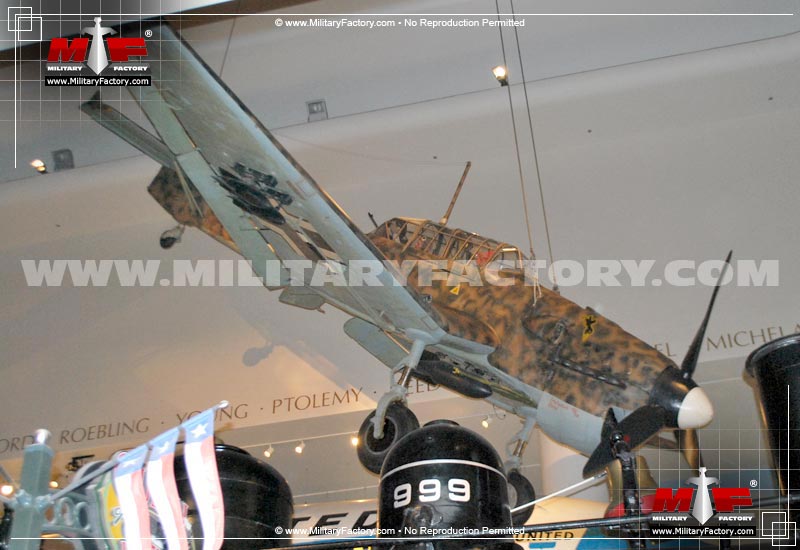
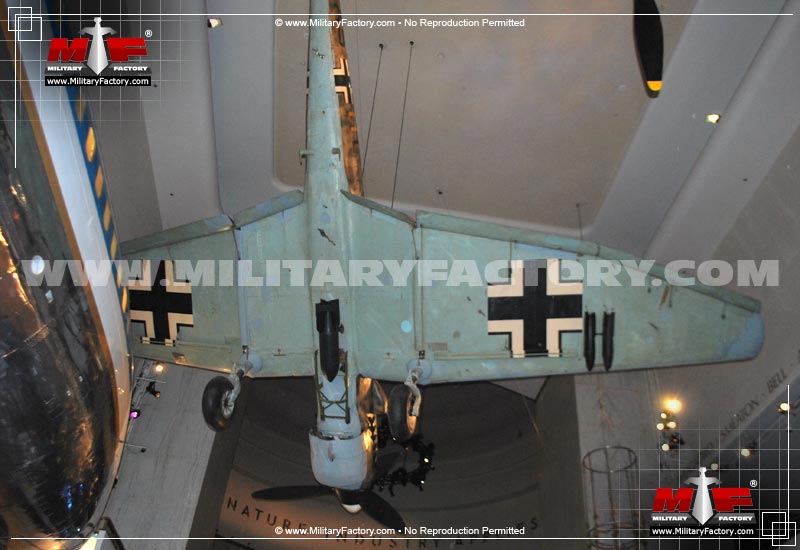
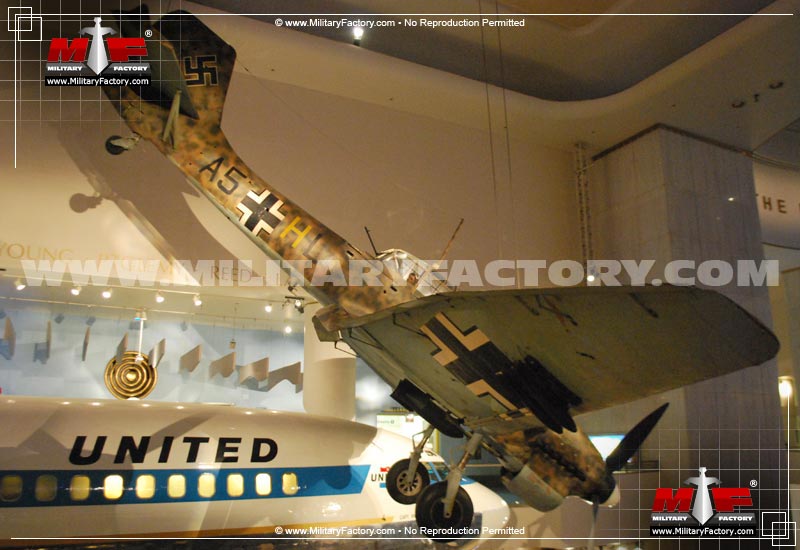
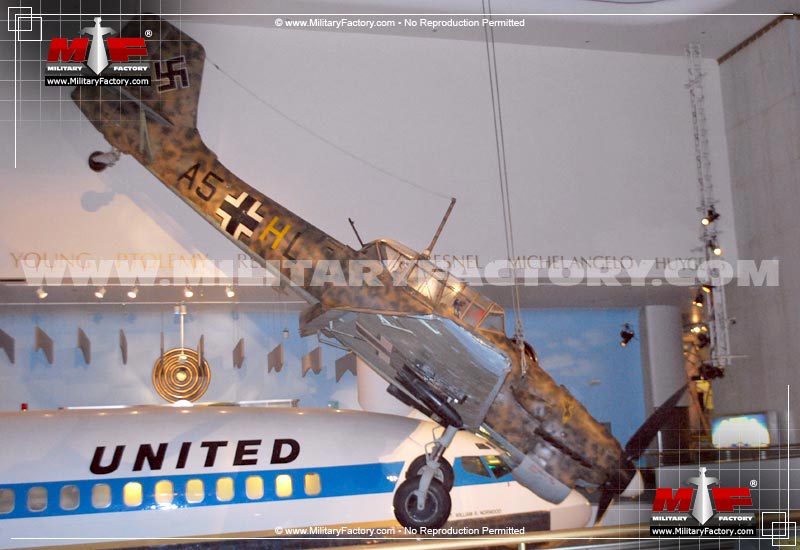
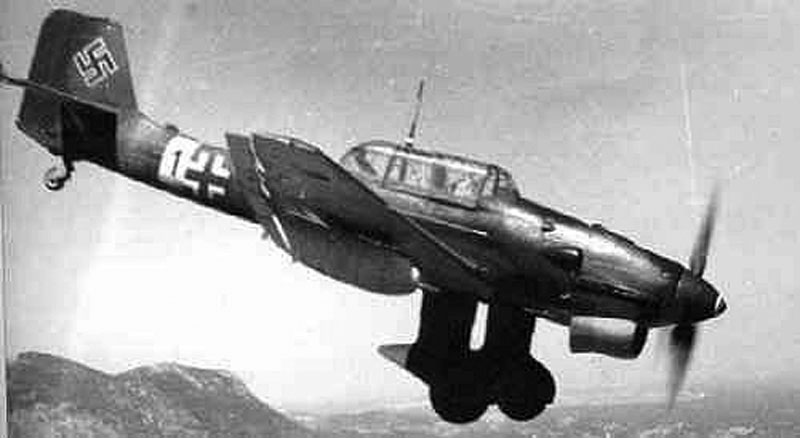
Before the Allies would gain air superiority over the skies of France and Germany, the Junkers Ju 87 "Stuka" dive bomber would reign supreme. The system, for a time, became the terror of both civilian and soldier alike, as the screaming howl of its "Jericho Trumpet" sirens filled the sky with a shriek before letting lose with the aircraft's payload. In essence, the dive bomber was, for the first time, being used to critical effect - an almost forecasting of the capabilities of today's direct-strike precision bombing.

The Ju 87 grew out of four similar prototypes fitted with slightly different powerplants and airframes. The final of the four prototypes of the Ju 87 V1 series would end up as the official and initial production models for service with the German Luftwaffe. The system, among other weapons and tactics, would be utilized to stunning effectiveness with Germany's participation in the Spanish Civil War - these particular Stukas would be flown by the famed "Condor Legion" from 1938-1939.

Once the invasion of Europe was in full swing, the Stukas appeared over the skies of Poland in the invasion of that country, laying waste to both military and civilian targets. The weapon earned its deadly reputation early on due to its ability to precision strike at will. The stage would ultimately be set for the Battle of Britain, where countless Ju 87 Stukas would be thrown into the fray.

The Battle of Britain exposed various performance and capability issues with the Ju 87 Stuka. British aircraft were capable of attacking the system at will unless the Ju 87 was supported by escort craft. As a result, the Ju 87's were temporarily withdrawn from aggressive service in the battle after heavy losses began to mount.

Not to be outdone, the Ju 87 was refined in the Ju 87D model and posted to the East Front and the North African Campaigns just a year later. The Ju 87G model was then conceived of as a "tank buster" and armed with twin 37mm cannons. This system would provide some much needed success to the series in what would later prove to be one of the most successful aircraft designs of the war.

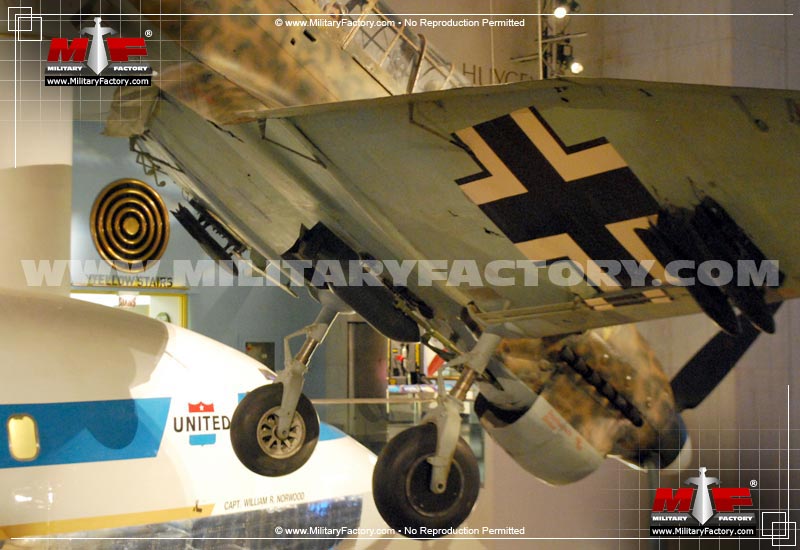
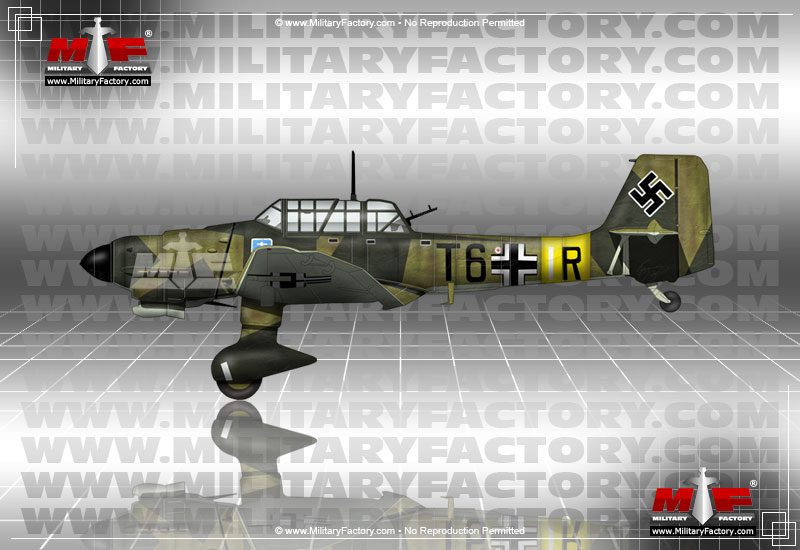
The Ju 87 was crewed by a pilot and a rear-gunner situated in a rear cockpit position. The gunner maintained a twin-7.92mm machine gun arrangement and was charged mostly with defending the aircraft from rear-approaching aggressors. The Stuka flew with gears fixed in the down position and flaps were extracted when the bomber would enter into a dive.

To put the value of this war machine in perspective, Luftwaffe pilot Hans-Ulrich Rudel would be credited with the downing of three major Allied navy ships - a battleship, a destroyer and a cruiser - on top of another 519 armored vehicles (mostly Allied tanks) destroyed. To that end, interest in dive bombing increased on the side of the Allies, resulting in several successful tries at such a weapon. In all, production of the Ju 87 Stuka series numbered some 5,709 aircraft in various makes and models making it one of the most recognizable of all the German aircraft - if not by name then by visual appearance.
Text ©2003-2013 www.MilitaryFactory.com • All Rights Reserved • No Reproduction Permitted
MilitaryFactory.com does NOT sell equipment/weaponry. Material presented throughout this website is for historical and entertainment value and should not to be construed as usable for hardware restoration, maintenance or general operation. Please consult manufacturers for such information. Our disclaimer. Email corrections / Comments to MilitaryFactory at Gmail dot com.
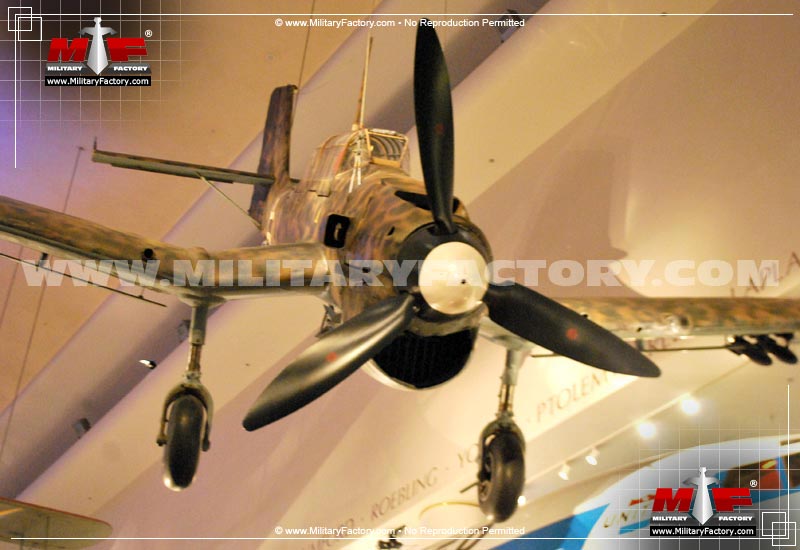
Picture of Junkers Ju 87 (Stuka)
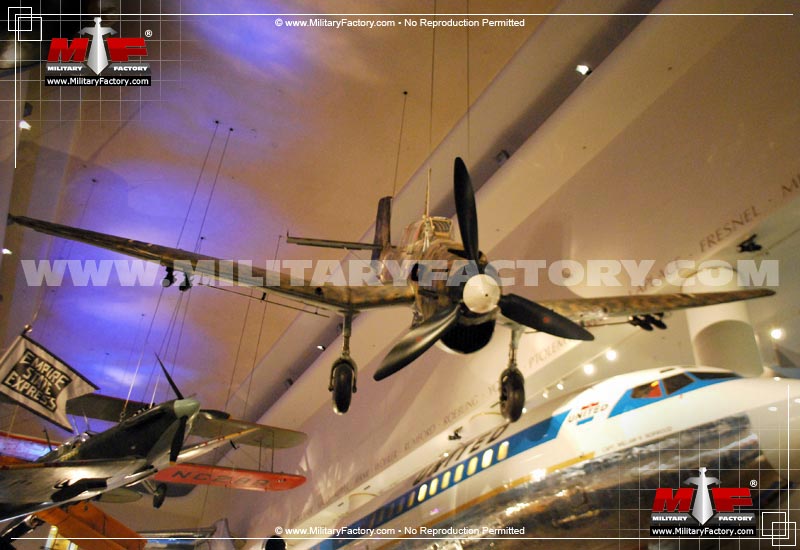
Pic of the Junkers Ju 87 (Stuka)
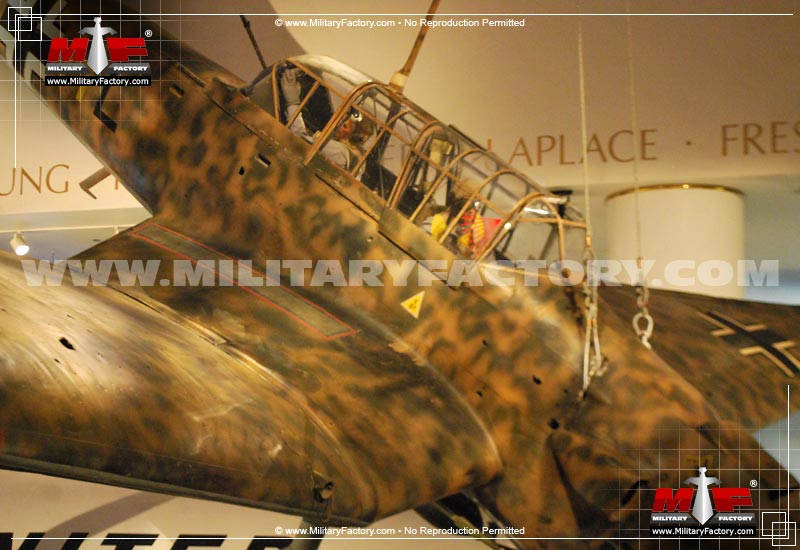
Image of the Junkers Ju 87 (Stuka)
View All Images (8)

Specifications for the
Junkers Ju 87 (Stuka)
Dive Bomber / Assault Aircraft


Country of Origin: Nazi Germany
Manufacturer: Junkers - Germany
Initial Year of Service: 1937
Production: 5,752


Focus Model: Junkers Ju 87D-1 (Stuka)
Crew: 2


Length: 37.73ft (11.5m)
Width: 45.28ft (13.80m)
Height: 12.80ft (3.90m)
Weight (Empty): 8,598lbs (3,900kg)
Weight (MTOW): 14,551lbs (6,600kg)


Powerplant: 1 x Jumo 211J-1 inverted-V piston engine generating 1,400hp.


Maximum Speed: 255mph (410kmh; 221kts)
Maximum Range: 954miles (1,535km)
Service Ceiling: 23,917ft (7,290m; 4.5miles)
Rate-of-Climb: 0 feet per minute (0m/min)


Hardpoints: 2 or 3 (underwing and under-fuselage)
Armament Suite:
2 x 7.92mm forward-facing machine guns
2 x 7.92mm machine guns in rear-facing cockpit

Maximum external bombload of up to 3,968lbs including iron bombs under fuselage or wing positions, 2 x 37mm underwing anti-tank cannons and anti-personnel munitions.


Variants:
Ju 87 V1 - Prototype Model fitted with Rolls-Royce Kestrel V inline engine generating 640hp; endplate vertical surfacing; One of this type produced; second prototypes (2 constructed) fitted with Junkers Jumo 210Aa inline engine generating 610hp; fourth prototype featured increased vertical tail surface; this last prototype became base model for production series.


Ju 87A - Base Production Model of the fourth Ju 87 V1 prototype; fitted with Jumo 210C engine generating 640hp; 210 of this model produced.

Ju 87B - Fitted with Jumo 211D at 1,200hp; features included spats replacing the wheel farings and larger canopy.

Ju 87D - Official dive bomber and ground attack model fitted with Jumo 211J at 1,410hp engine; revised canopy and engine cowling, increased vertical tail surfacing, improved armament and redesigned landing gears.

Ju 87G - Anti-tank derivative featuring 2 x 37mm underwing cannons.

Ju 87H - Trainer variant based on the Ju 87D model but fitted with dual control systems.

Ju 87R - Long-range anti-shipping variant based on the Ju 87B model.


Operators: Bulgaria; Croatia; Czechoslovakia; Nazi Germany; Hungary; Italy; Japan; Romania; Slovak Republic; United Kingdom; United States; Yugoslavia

ALL AIRCRAFT CATEGORIES

BY DECADE:


1900 to 1909
1910 to 1919
1920 to 1929
1930 to 1939
1940 to 1949
1950 to 1959
1960 to 1969
1970 to 1979
1980 to 1989
1990 to 1999
2000 to 2009
2010 to 2019
2020 to 2029
VIEW ALL
Compare Aircraft


BY TYPE:


Anti-Submarine Warfare (ASW)
Attack Helicopters
Bomber Aircraft
Medium Bombers
Heavy Bombers
Close-Air Support (CAS)
Commercial Aircraft
Dive Bombers
Electronic Warfare Aircraft (EWA)
Experimental / X-Planes
Fighter Aircraft
Floatplane Aircraft
Flying Boat Aircraft
Aerial Refueling Tankers
Helicopters (ALL)
Interceptor Aircraft
Multi-Role Aircraft
Navy Carrier Aircraft
Night Fighters
Reconnaissance / Scout
Search & Rescue (SAR)
Scout Helicopters
Special Purpose
Torpedo Bombers
Trainer Aircraft
Transport Aircraft
Transport Helicopters
Unmanned Aerial Vehicles (UAVs)
Unmanned Combat Air Vehicles (UCAVs)


COLLECTIONS:


4th Generation Fighter Aircraft
5th Generation Fighter Aircraft
US X-Planes
Classic US Warbirds
French Military Helicopters
Grumman "Cats"
Howard Hughes Aircraft
Indian Air Force
Israeli Air Force
Libyan Aircraft
Modern Chinese Aircraft
Modern Chinese Fighters
Modern Military Aircraft
Modern North Korean Aircraft
Modern Trainer Aircraft
Modern US Aircraft
Mikoyan Aircraft
Sukhoi Aircraft
Syrian Aircraft
Top 10 Fighter Aircraft of All Time


AIRCRAFT BY CONFLICT:


Arab-Israeli War (1948)
Cuban Missile Crisis (1959-1962)
Falklands War (1982)
Indo-Pak War (1965, 1971)
Iran-Iraq War (1980-1988)
Lebanon War (1982)
Operation Allied Force (1999)
Operation Desert Storm (1991)
Six Day War (1967)
Spanish Civil War (1936)
Soviet-Afghan War (1979-1989)
Yom Kippur War (1973)


MISCELLANEOUS:


Aircraft Cockpits
Aircraft Manufacturers List
Aircraft Timeline

WORLD WAR 2:


1939 Aircraft
1940 Aircraft
1941 Aircraft
1942 Aircraft
1943 Aircraft
1944 Aircraft
1945 Aircraft
1946 Aircraft
Australian Aircraft
Battle of Britain Aircraft
Bombers
Four-Engine Bombers
British Aircraft
British Bombers
British Transports
Dive Bombers
Canadian Aircraft
Fighters
Chinese Aircraft
French Aircraft
German Aircraft
German Fighters
German Flying Boats
German Jets
Secret Weapons of the Luftwaffe
Italian Aircraft
Imperial Japanese Aircraft
Imperial Japanese Fighters
Mitsubishi Bombers
Navy Aircraft
Pearl Harbor
Polish Aircraft
Romanian Aircraft
US Aircraft
US Bombers
US Navy Aircraft
Soviet Aircraft
Torpedo Bombers
Transport Aircraft
Tuskegee Airmen Aircraft
W.A.S.P. Aircraft
WW2 Aircraft Ranked by Speed
VIEW ALL


WORLD WAR 1:


1914 Aircraft
1915 Aircraft
1916 Aircraft
1917 Aircraft
1918 Aircraft
Aircraft Timeline
Austro-Hungarian Aircraft
Bomber Aircraft
British Aircraft
Fighters
Flying Boats
French Aircraft
Imperial German Aircraft
Italian Aircraft
Scout Aircraft
Russian Empire Aircraft
US Aircraft
WW1 Aircraft Ranked by Speed
VIEW ALL


KOREAN WAR:


Australian Aircraft
Korean War Aces
Korean War Jets
North Korean Aircraft
US Military Aircraft
VIEW ALL


VIETNAM WAR:


Helicopters
North Vietnam Air Force
US Airpower
VIEW ALL


COLD WAR:


1950s French Aircraft
British V-Bombers
Cold War Bombers
Soviet Aircraft
Soviet Bombers
Soviet Interceptors
Soviet Helicopters
Strategic Air Command
US Aircraft
US Bombers
US Interceptors
VIEW ALL

Site Disclaimer | Privacy Policy | Site Map | MF Origins


©2013 www.MilitaryFactory.com • Content ©2003-2013 MilitaryFactory.com • All Rights Reserved • Site Contact Email: militaryfactory at gmail dot com. The "Military Factory" name and MilitaryFactory.com logo are registered ® trademarks and protected by all applicable domestic and international intellectual property laws.


Top MF Stuff: 2013 Military Pay Scale | Military Ranks | WW2 Weapons | Sniper Rifles | Kts to Mph | WW1 Aircraft | Automatic Rifles | Aircraft Cockpits | Vietnam War Weapons | Main Battle Tanks | Submachine Guns | Shotguns | French Military Victories


Most photographic images appearing on this site are courtesy of the United States Department of Defense and are approved for public use. Other images acquired through the public domain. Digital art work courtesy of Dan Alex. Business Consulting by Kyle Williams. Material presented throughout this website is for historical and entertainment value and should not to be construed as usable for hardware restoration, maintenance or general operation. Please consult manufacturers for such information.


eXTReMe Tracker