Military Factory
Military Pay Chart
Global Firepower
Military Industrial Complex
Second World War
Home
Military Pay Scale
Military Ranks
Small Arms
Aircraft
Land Systems
Navy
Education
Military Factory Facebook Logo
flag of United States

Curtiss SO3C Seamew Reconnaissance / Observation Floatplane (1942)

Authored By Staff Writer | Last Updated: 11/5/2010

The Curtiss SO3C Seamew suffered from a variety of setbacks, ultimately forcing the type out of service after just a few short years.

Find a School Near You
Follow Military Factory on Facebook:
Trending on Military Factory:
Recent Articles:
The Curtiss SO3C "Seamew" (Curtiss Model 82) was an oft-forgotten navy reconnaissance/scout/patrol floatplane produced in quantitative numbers during World War 2. She achieved first flight in 1939 and was officially introduced for service in 1942. Primary users of the system were limited to the United States Navy and the British Royal Navy (RN) Fleet Air Arm (FAA). Some 795 SO3C systems were ultimately produced in whole. However, one of her major problems lay in the chosen Ranger series engine that powered her - ultimately dooming the type to aviation history. She was deemed more-or-less obsolete by 1944 and retired completely from service by 1945. Her early forms were fielded with a fixed wheeled undercarriage in place of the floatplanes, part of the early USN requirement in her design.

Seamew Origins

1937 saw the United States Navy looking for a replacement aircraft for its Curtiss SOC Seagull series of biplane floatplane aircraft. The USN was in the market for a more modern, monoplane-winged system that could fulfill the same floatplane reconnaissance role but also include better performance specifications and could operate from both land and water bases as needed. The undercarriage was, therefore, required to be interchangeable to suit the task at hand. The requirement was sent forth and proposals from various firms were entertained. Curtiss and Vought were invited to produce prototypes through a May 1938 contract. The Curtiss prototype was bestowed the developmental designation of XSO3C-1 while the Vought product took on the XSO2U-1 designation. XSO3C-1 first took to the air on October 6th, 1939. In the end, the Curtiss product won out and was ordered for production after some slight design revisions were ordered by the USN (including larger tail surfaces and upturned wingtips to aid in stability). The revised Curtiss Model 82A became the USN SO3C-1 for production under the early nickname of "Seagull". The chosen powerplant became the Ranger V-770-6 series engine.

SO3C Walk-Around

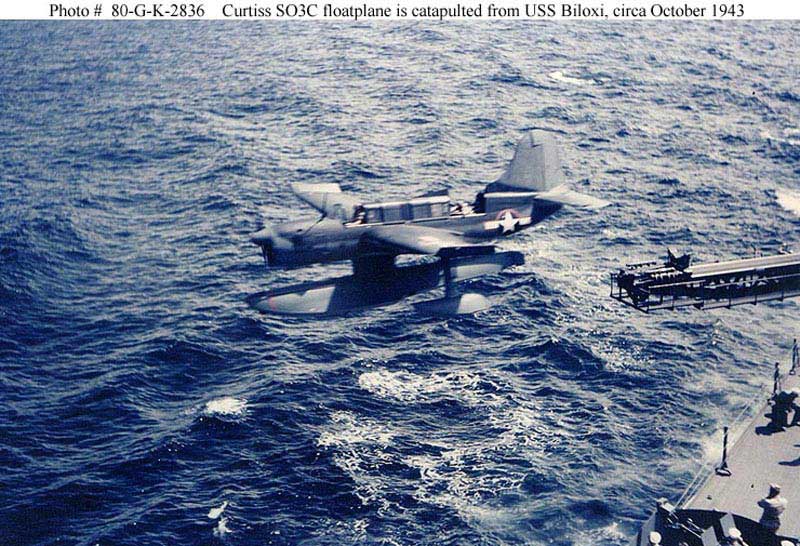
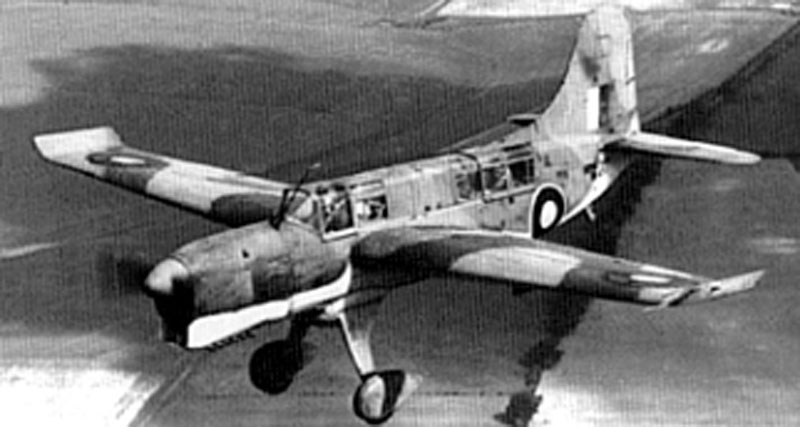
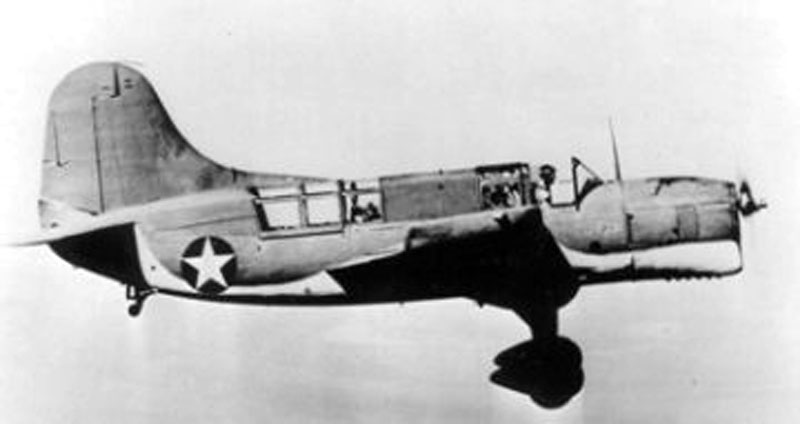
Design of the SO3C was consistent with floatplane aircraft of the time. Most of her appearance was quite conventional-looking and revolved around a cylindrical fuselage mated to a localized network of floats under the aircraft fuselage and wings. With respect to the SO3C, the fuselage sat atop a large centralized float running nearly the length of the aircraft while each wing underside was supported by smaller stabilizing floats fitted to struts. The radial engine was fitted to the front of the fuselage and powered a two-bladed propeller assembly. The pilot sat immediately aft of the engine compartment under a glazed canopy that was usually left open for better visibility. The second crewmember, the designated observer (seated facing forward), took his position in a separate cockpit held to the rear of the aircraft, his position at the base of the vertical tail fin. Wings were mid-mounted and straight along the leading edge and tapered at the trailing edge, clipped at their tips (with a noticeable upturn to each tip end, needed to counter some initial instability problems in the prototype design), and fitted just aft of the pilot’s position. The empennage was dominated by a large vertical tail fin curved to provide the SO3C a most identifiable appearance. Horizontal stabilizers were fitted to either side of the vertical tail fin base. Of note was the observer’s heavily framed canopy – the assembly actually doubling as part of the forward portion of the tail fin base. This posed a problem to the aerodynamic qualities of the SO3C however, as the observer most often flew with the cockpit open. While this disrupted the airflow towards the rear of the aircraft, it offered the observer much better visibility when tracking surface targets from up high. Construction was of all-metal, with the exception being the fabric-covered control surfaces.

It’s the Engine that Makes or Breaks an Aircraft

Power was supplied from the much-maligned Ranger XV-770-8 inverted V12 engine of 600 horsepower. The engine provided for a listed top speed of 172 miles per hour though cruising was limited to around 123 miles per hour. Range was roughly 1,150 miles (or about eight hours of flight time) and the aircraft’s service ceiling was limited to 15,800 feet. The SO3C held an empty weight of 4,284lbs with a maximum take-off weight equal to 5,729lbs.

The Ranger XV-770 was a powerplant developed by the Ranger Aircraft Engine Division of the Fairchild Engine & Aircraft Corporation. The design appeared in 1931 and stemmed from the Ranger 6-440 series. The 6-440 was an in-line, air-cooled engine and produced by the company to power a series of training aircraft. In US military nomenclature, the 6-440 took on the designation of L-440. One of the first platforms to be fitted with the V-770 was a Vought XSO2U-1 Scout. Later, the engine was mated to the Curtiss SO3C Seamew. With the Seamew, the engine proved lacking and was found to be of generally poor return. Overheating proved a major sticking point particularly at low speed flying. Despite its limitations, the V-770 found a home in a few other military platforms including the Fairchild AT-21 trainer aircraft and the Bell XP-77 experimental fighter. Neither platform was produced in quantitative numbers, however, with the AT-21 reaching just 175 production units and the XP-77 being produced in just two prototypes.

Armament

As an observation platform, the SO3C was never meant to be a dedicated fighter. She maintained a single 0.30 caliber fixed, forward-firing M1919 Browning machine gun (operated by the pilot) and a 0.50 caliber Browning M2 heavy machine gun in the rear cockpit (operated by the observer). If called upon in an offensive role, the SO3C could make use of a pair of 100lb general purpose bombs or 325lb depth charges, all held externally underwing or on a central bomb rack (the latter if so equipped). The central bomb rack could field a single 500lb general purpose bomb.

Seamews in American Service

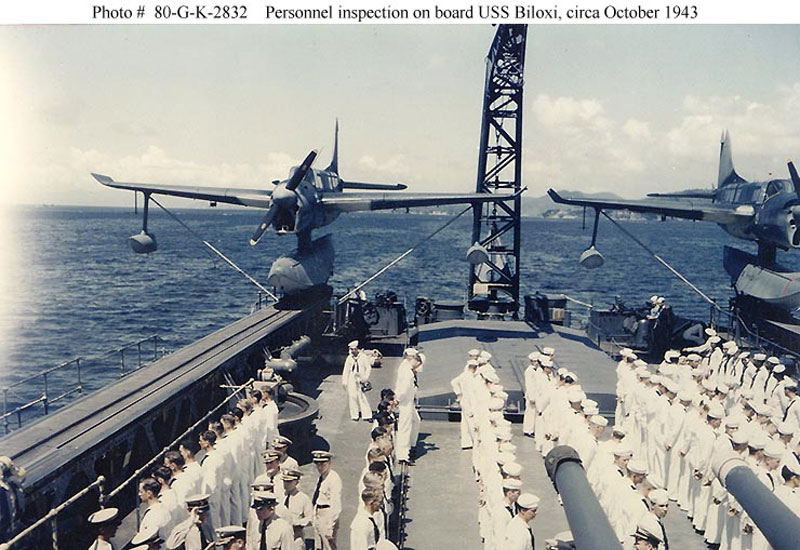
The first SO3C-1 "Seagull" production models were received by the USN in July of 1942 and fielded aboard the USS Cleveland with their V-770-6 series engines. Some 300 were delivered in all but performance of these systems was never truly up to the expected USN performance standards. As such, the type was subsequently generally converted to radio-controlled target drones under the designation SO3C-1K. Consequently, all SO3C-1s were removed as front-line implements by the USN by the time the SO3C-2C production models became available.

The SO3C-2 was based on the Curtiss Model 82B and was perceived as a more "navalized" form complete with arrestor gear and an under fuselage bomb rack. 456 SO3C-2s were ultimately produced though 250 of these were sent to the UK under Lend-Lease under the designation of SO3C-1B (Curtiss Model 82C). However, these were ultimately delivered as SO3C-2C models featuring an uprated powerplant among other subtle improvements.

The SO3C in British Service

The Royal Navy Fleet Air Arm – a British Royal Navy branch – utilized the SO3C and christened her with the designation of "Seamew" (or Seamew Mk.I). The United States Navy later adopted the "Seamew" name from the British from then on, replacing her original "Seagull" naming convention. When the newer SO3C-2C versions came online with the Royal Navy, these were simply designated as the "Seamew 1". It is of note that none of the British Seamews were ever fielded with operation squadrons, instead they were relegated to general training elements and specific air gunnery/radio training groups.

First Seamews were delivered to the Royal Navy in March of 1943. The first squadron fielding the Seamew became training 755 Squadron at Worthy Down (FN459), Hampshire, UK, in August of 1943. This squadron operated up until 1945. Two other training squadrons existed as the 744 and the 745 Squadrons based out of Nova Scotia, Canada. Beyond that, no Seamews ever saw combat action.

Originally, FAA Seamews were intended as catapult-launched reconnaissance floatplanes to be used on Royal Navy ships. However, the type was never truly fielded in this capacity and ended up serving as nothing more than trainers or second-line aircraft. In all, some 250 Seamew aircraft were received by the British. Later deliveries were cancelled after the availability of the American Vought OS2U "Kingfisher" floatplanes increased by January of 1944. Up to 1,519 of these Kingfisher aircraft were produced and served as the shipboard mainstay on many US Navy vessels during the war. Once the Kingfisher gained more ground, the Seamew quickly disappeared into Royal Navy lore by the beginning of 1945.

The "Queen Seamew"

The "Queen Seamew" was the FAA designation for the SO3C-1K target drone production variant of the SO3C series. Thirty such examples were ordered under Lend-Lease but the order fell to naught, the British cancelling delivery of the systems.

Curtiss Tries Once More

As reception of the SO3C proved lukewarm at best, Curtiss attempted to revive their stillborn aircraft by introducing the SO3C-3 (Curtiss Model 82C). The SO3C-3 boasted a lighter operating weight with a more powerful engine in the form of the SGV-770-8 series. While promising, only 39 examples were completed before the type was dropped from USN and FAA interest. Any existing orders were cancelled outright and the Seamew disappeared into history.

Performance of the Seamew was such that her crews christened the aircraft with the nickname of "Sea Cow".
Text ©2003-2013 www.MilitaryFactory.com • All Rights Reserved • No Reproduction Permitted
MilitaryFactory.com does NOT sell equipment/weaponry. Material presented throughout this website is for historical and entertainment value and should not to be construed as usable for hardware restoration, maintenance or general operation. Please consult manufacturers for such information. Our disclaimer. Email corrections / Comments to MilitaryFactory at Gmail dot com.
Picture of Curtiss SO3C Seamew
Pic of the Curtiss SO3C Seamew
Image of the Curtiss SO3C Seamew
View All Images (4)

Specifications for the
Curtiss SO3C Seamew
Reconnaissance / Observation Floatplane


Country of Origin: United States
Manufacturer: Curtiss - USA
Initial Year of Service: 1942
Production: 796


Focus Model: Curtiss SO3C-2 Seamew
Crew: 2


Length: 36.84ft (11.23m)
Width: 37.99ft (11.58m)
Height: 14.99ft (4.57m)
Weight (Empty): 4,284lbs (1,943kg)
Weight (MTOW): 5,730lbs (2,599kg)


Powerplant: 1 x Ranger VX-770-8 inverted V12 engine delivering 600 horsepower.


Maximum Speed: 172mph (277kmh; 150kts)
Maximum Range: 1,150miles (1,851km)
Service Ceiling: 15,797ft (4,815m; 3.0miles)
Rate-of-Climb: 0 feet per minute (0m/min)


Hardpoints: 2
Armament Suite:
STANDARD:
1 x 0.30 (7.62mm) caliber M1919 Browning machine gun in fixed, forward-firing position.
1 x 0.50 (12.7mm) caliber M2 Browning heavy machine gun in rear cockpit position.


OPTIONAL:
2 x 100lb bombs OR 2 x 325lb depth charges underwing.
1 x 500lb on centerline bomb rack (land-based Seamews).


Variants:
XSO3C-1 - Prototype Designation; fitted with Ranger V-770-6 series engine.


SO3C-1 ("Seagull") - Initial Production Model Designation; based on Curtiss Model 82A; fitted with Ranger V-770-6 series engine; 300 examples produced.

SO3C-2 - Navalized Variant; fitted with arrestor gear; underfuselage bomb rack; 456 examples produced; based on the Curtiss Model 82B.

SO3C-2C "Seamew 1" - Lend-Lease Royal Navy models; improved engine; hydraulic brakes.

SO3C-1B - Intended Lend-Lease Models for Royal Navy.

SO3C-1K - Radio-Controlled Target Drones

"Queen Seamew" - Royal Navy Designation for SO3C-1K models.

SO3C-3 - Lighter operating weight; fitted with more powerful SGV-770-8 engine; 39 examples produced.

SOR-1 - Proposed SO3C-3 variant with arrestor gear; would have included production from Ryan Aeronautical Corporation; cancelled.

Model 82A - Curtiss Company Designation of SO3C-1 production models.

Model 82B - Curtiss Company Designation of SO3C-2 production models.

Model 82C - Curtiss Company Designation of SO3C-1B Lend-Lease Models.

Model 82C - Curtiss Company Designation of proposed SO3C-3 improved production models.


Operators: United Kingdom; United States

ALL AIRCRAFT CATEGORIES

BY DECADE:


1900 to 1909
1910 to 1919
1920 to 1929
1930 to 1939
1940 to 1949
1950 to 1959
1960 to 1969
1970 to 1979
1980 to 1989
1990 to 1999
2000 to 2009
2010 to 2019
2020 to 2029
VIEW ALL
Compare Aircraft


BY TYPE:


Anti-Submarine Warfare (ASW)
Attack Helicopters
Bomber Aircraft
Medium Bombers
Heavy Bombers
Close-Air Support (CAS)
Commercial Aircraft
Dive Bombers
Electronic Warfare Aircraft (EWA)
Experimental / X-Planes
Fighter Aircraft
Floatplane Aircraft
Flying Boat Aircraft
Aerial Refueling Tankers
Helicopters (ALL)
Interceptor Aircraft
Multi-Role Aircraft
Navy Carrier Aircraft
Night Fighters
Reconnaissance / Scout
Search & Rescue (SAR)
Scout Helicopters
Special Purpose
Torpedo Bombers
Trainer Aircraft
Transport Aircraft
Transport Helicopters
Unmanned Aerial Vehicles (UAVs)
Unmanned Combat Air Vehicles (UCAVs)


COLLECTIONS:


4th Generation Fighter Aircraft
5th Generation Fighter Aircraft
US X-Planes
Classic US Warbirds
French Military Helicopters
Grumman "Cats"
Howard Hughes Aircraft
Indian Air Force
Israeli Air Force
Libyan Aircraft
Modern Chinese Aircraft
Modern Chinese Fighters
Modern Military Aircraft
Modern North Korean Aircraft
Modern Trainer Aircraft
Modern US Aircraft
Mikoyan Aircraft
Sukhoi Aircraft
Syrian Aircraft
Top 10 Fighter Aircraft of All Time


AIRCRAFT BY CONFLICT:


Arab-Israeli War (1948)
Cuban Missile Crisis (1959-1962)
Falklands War (1982)
Indo-Pak War (1965, 1971)
Iran-Iraq War (1980-1988)
Lebanon War (1982)
Operation Allied Force (1999)
Operation Desert Storm (1991)
Six Day War (1967)
Spanish Civil War (1936)
Soviet-Afghan War (1979-1989)
Yom Kippur War (1973)


MISCELLANEOUS:


Aircraft Cockpits
Aircraft Manufacturers List
Aircraft Timeline

WORLD WAR 2:


1939 Aircraft
1940 Aircraft
1941 Aircraft
1942 Aircraft
1943 Aircraft
1944 Aircraft
1945 Aircraft
1946 Aircraft
Australian Aircraft
Battle of Britain Aircraft
Bombers
Four-Engine Bombers
British Aircraft
British Bombers
British Transports
Dive Bombers
Canadian Aircraft
Fighters
Chinese Aircraft
French Aircraft
German Aircraft
German Fighters
German Flying Boats
German Jets
Secret Weapons of the Luftwaffe
Italian Aircraft
Imperial Japanese Aircraft
Imperial Japanese Fighters
Mitsubishi Bombers
Navy Aircraft
Pearl Harbor
Polish Aircraft
Romanian Aircraft
US Aircraft
US Bombers
US Navy Aircraft
Soviet Aircraft
Torpedo Bombers
Trainer Aircraft
Transport Aircraft
Tuskegee Airmen Aircraft
W.A.S.P. Aircraft
WW2 Aircraft Ranked by Speed
VIEW ALL


WORLD WAR 1:


1914 Aircraft
1915 Aircraft
1916 Aircraft
1917 Aircraft
1918 Aircraft
Aircraft Timeline
Austro-Hungarian Aircraft
Bomber Aircraft
British Aircraft
Fighters
Flying Boats
French Aircraft
Imperial German Aircraft
Italian Aircraft
Scout Aircraft
Russian Empire Aircraft
US Aircraft
WW1 Aircraft Ranked by Speed
VIEW ALL


KOREAN WAR:


Australian Aircraft
Korean War Aces
Korean War Jets
North Korean Aircraft
US Military Aircraft
VIEW ALL


VIETNAM WAR:


Helicopters
North Vietnam Air Force
US Airpower
VIEW ALL


COLD WAR:


1950s French Aircraft
British V-Bombers
Cold War Bombers
Soviet Aircraft
Soviet Bombers
Soviet Interceptors
Soviet Helicopters
Strategic Air Command
US Aircraft
US Bombers
US Interceptors
VIEW ALL

Site Disclaimer | Privacy Policy | Site Map | MF Origins


©2013 www.MilitaryFactory.com • Content ©2003-2013 MilitaryFactory.com • All Rights Reserved • Site Contact Email: militaryfactory at gmail dot com. The "Military Factory" name and MilitaryFactory.com logo are registered ® trademarks and protected by all applicable domestic and international intellectual property laws.


Top MF Stuff: 2013 Military Pay Scale | Military Ranks | WW2 Weapons | Sniper Rifles | Kts to Mph | WW1 Aircraft | Automatic Rifles | Aircraft Cockpits | Vietnam War Weapons | Main Battle Tanks | Submachine Guns | Shotguns | French Military Victories


Most photographic images appearing on this site are courtesy of the United States Department of Defense and are approved for public use. Other images acquired through the public domain. Digital art work courtesy of Dan Alex. Business Consulting by Kyle Williams. Material presented throughout this website is for historical and entertainment value and should not to be construed as usable for hardware restoration, maintenance or general operation. Please consult manufacturers for such information.


eXTReMe Tracker