Military Factory
Military Pay Chart
Global Firepower
Military Industrial Complex
Second World War
Home
Military Pay Scale
Military Ranks
Small Arms
Aircraft
Land Systems
Navy
Education
Military Factory Facebook Logo
flag of France

Loire-Nieuport LN.401/LN.411 (LN.40) Carrierborne Dive Bomber (1939)

Authored By Staff Writer | Last Updated: 1/22/2010

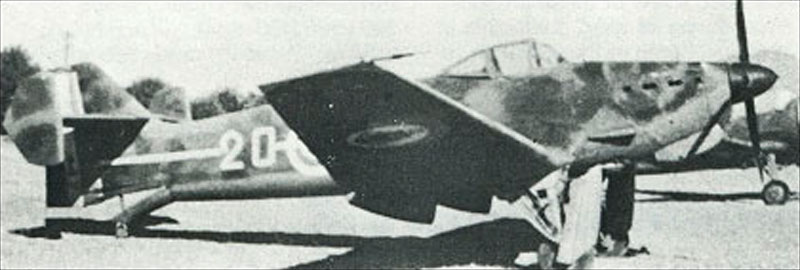
The LN.401 was delivered in limited quantity to the French Navy and saw heavy losses in the German invasion of France.

Find a School Near You
Follow Military Factory on Facebook:
Trending on Military Factory:
Recent Articles:
The Loire-Nieuport LN.40/LN.401 series of aircraft was a carrier-based dive bomber developed for the French Navy prior to World War 2. First flight was achieved in 1938 and the system was introduced into service the year following. Some twenty-three examples were available by the time of the German invasion of France and subsequent actions proved the LN.401 wholly outclassed by her German adversaries. Only 68 of its type were ever produced and the aircraft ceased all further development and production after the fall of France from May 1940 onwards.

Origins of the LN.40/LN.401 stemmed from the development of the Nieuport 140. Nieuport made a name for itself by producing some memorable fighter designs in the First World War. Development on the Nieuport 140 had begun sometime in 1932 and this aircraft was intended for the French Navy as a dive bomber with a crew of two. In 1933, Nieuport became a part of Loire and the company name of "Loire-Nieuport" was officially born. In the same vein, the Nieuport 140 now became the "Loire-Nieuport LN.140". Evaluation of the design continued until a pair of accidents - resulting in the deaths of her pilots - doomed the project in whole.

All was not lost, however, for the firm moved to develop the more modern single-seat LN.40 dive bomber to fulfill the French Navy request. By 1937, the French government signed an order for Liore-Nieuport to deliver a working prototype of their LN.40 as well as preproduction aircraft for active evaluation. The first LN.40 took to the skies on July 6th, 1938 and carrier landings on the Bearn completed with success. Despite some inherent deficiencies in the basic design - some of which were rectified including the deletion of the tail dive brakes - the type was decreed operational and deliveries soon followed under the new production designation of LN.401. Production was handled by SNCAO ("Societe nationale des constructions aeronautiques de l'ouest"), an organization born from the merging of Breguet and Loire-Nieuport factories in 1936. SNCAO was itself absorbed into Sud-Ouest (SNCASO) in 1941 and eventually became Sud Aviation in 1957.

Escadrille AC.1 units of the French Navy received four LN.401s in the middle of 1939 for training. In practice, the LN.401 proved decidedly slower than the French were expecting. As a result, a newer and faster platform fitted with a Hispano-Suiza 12Y-51 engine and a shorter wingspan was signed off on and set under the designation of LN.42. While development of this aircraft was underway, orders for the navalized LN.401 ramped up. The French Army placed their order for the land-based variant known under the designation of LN.411. As can be expected, this particular model did away with the navalized aspects of the LN.401 including the folding wings and arrestor hook. Like the French Navy, the French Army was none too thrilled about their slow dive bomber and rejected them. These were relocated to the stables of the French Navy. The LN.42 development continued for a time, initially hidden away from the German invaders, and ultimately test-flown on August 24th, 1945 at Toussus-le-Noble. Regardless, the LN.42 eventually fell to the scrapman's torch and was destroyed in 1947.

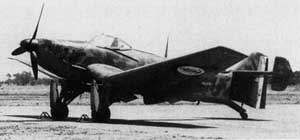
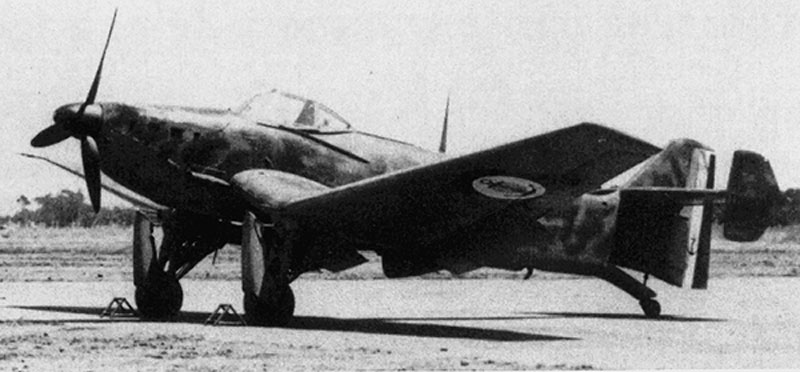
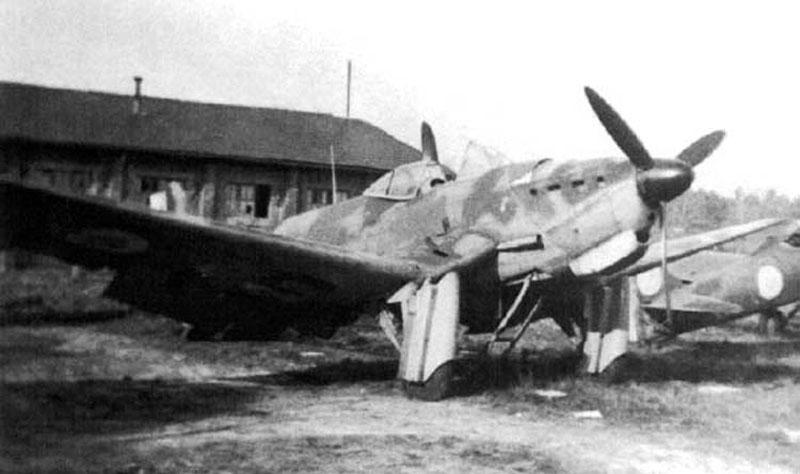
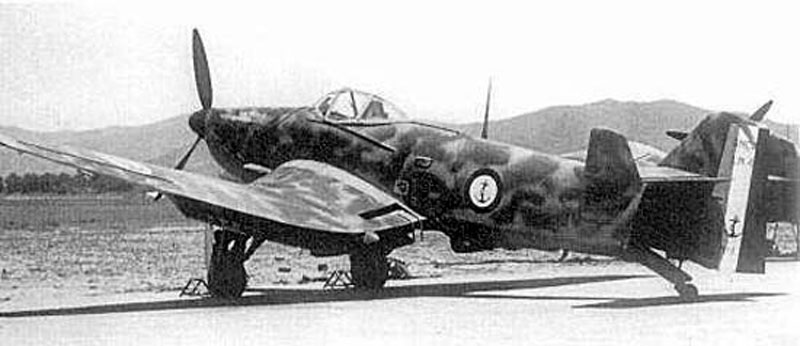
Externally, the LN.401 maintained a unique appearance. She held her engine in a forward compartment providing the aircraft with a modern streamlined look. The cockpit was set just aft of the engine and atop the inverted gull monoplane wings. The pilot say under a three piece canopy offering decent views all around. The fuselage continued the streamlined appearance and was capped by a conventional empennage featuring a single vertical tail fin and a pair of horizontal planes each sporting smaller vertical fins. All tail surfaces were clipped and featured sharp edges and the main vertical fin was originally designed to split open and act as an airbrake during dives. The undercarriage was a traditional "tail-dragger" arrangement with two main landing gear legs and a diminutive tailwheel. The main legs semi-recessed under each wing assembly into contoured nacelles. Armament was limited to a pair of 7.5mm Darne machine guns and a single 20mm cannon as well as a bomb load of up to 496lbs (single bomb).

Four major variants of this aircraft appeared. The first was the base LN.40 which represented some seven pre-production aircraft. The LN.401 was the French Navy dive-bomber designation to which some fifteen examples were produced. The LN.411 was a land-based version of the LN.401 sans its navalized equipment for the French Army. Forty-five of this type were ultimately produced. The LN.402 was a single example variant fitting a more powerful Hispano-Suiza 12Y series engine. First flight was achieved on November 18th, 1939.

The LN.401 was powered by a single Hispano-Suiza 12XCrs 12-cylinder vee engine delivering up to 690 horsepower and powering a three-bladed propeller system. Maximum speed was 236 miles per hour with a range of 745 miles. The service ceiling was listed at 31,170 feet.

Once in action against the Germany in the north of France, the LN.401/LN.411 was seemingly doomed to failure. She was assigned to two escadrilles (or squadrons) - the first being AB.2 and second became AB.4 from the rejected French Army systems - at the time of the invasion. In a much-publicized attack occurring on May 19th, 1940, twenty LN.401s/LN.411s were launched against German columns with ten of these being shot down and a further seven damaged beyond repair. Surviving units were relocated to the south of France where they continued the fight against Italian forces via reconnaissance and naval escort sorties. Other aircraft made their way to North Africa and were put into storage.

As France ultimately capitulated, June 1940 signified the signing of the armistice with Germany - in effect killing any further legacy for the LN.401/LN.411.
Text ©2003-2013 www.MilitaryFactory.com • All Rights Reserved • No Reproduction Permitted
MilitaryFactory.com does NOT sell equipment/weaponry. Material presented throughout this website is for historical and entertainment value and should not to be construed as usable for hardware restoration, maintenance or general operation. Please consult manufacturers for such information. Our disclaimer. Email corrections / Comments to MilitaryFactory at Gmail dot com.
Picture of Loire-Nieuport LN.401/LN.411 (LN.40)
Pic of the Loire-Nieuport LN.401/LN.411 (LN.40)
Image of the Loire-Nieuport LN.401/LN.411 (LN.40)
View All Images (4)

Specifications for the
Loire-Nieuport LN.401/LN.411 (LN.40)
Carrierborne Dive Bomber


Country of Origin: France
Manufacturer: Société nationale des constructions aéronautiques de l'ouest (SNCAO) - France
Initial Year of Service: 1939
Production: 68


Focus Model: Loire-Nieuport LN.401
Crew: 1


Length: 32.02ft (9.76m)
Width: 45.93ft (14.00m)
Height: 11.48ft (3.50m)
Weight (Empty): 4,707lbs (2,135kg)
Weight (MTOW): 6,224lbs (2,823kg)


Powerplant: 1 x Hispano-Suiza 12XCrs 12-cylinder vee engine developing 690 horsepower.


Maximum Speed: 236mph (380kmh; 205kts)
Maximum Range: 746miles (1,200km)
Service Ceiling: 31,168ft (9,500m; 5.9miles)
Rate-of-Climb: 0 feet per minute (0m/min)


Hardpoints: 1
Armament Suite:
STANDARD:
1 x 20mm cannon
2 x 7.5mm Darne machine guns in wings

OPTIONAL:
1 x 496lb bombs


Variants:
LN.40 - Preproduction Models; 7 examples produced.


LN.401 - Initial Production Models; folding wings; arrestor hook; 15 examples produced.

LN.411 - De-navalized version sans all Navy-installed gear (folding wings, arrestor hook); 45 examples produced.

LN.402 - Single Production Example; fitted with Hispano-Suiza 12Y series engine.


Operators: France

ALL AIRCRAFT CATEGORIES

BY DECADE:


1900 to 1909
1910 to 1919
1920 to 1929
1930 to 1939
1940 to 1949
1950 to 1959
1960 to 1969
1970 to 1979
1980 to 1989
1990 to 1999
2000 to 2009
2010 to 2019
2020 to 2029
VIEW ALL
Compare Aircraft


BY TYPE:


Anti-Submarine Warfare (ASW)
Attack Helicopters
Bomber Aircraft
Medium Bombers
Heavy Bombers
Close-Air Support (CAS)
Commercial Aircraft
Dive Bombers
Electronic Warfare Aircraft (EWA)
Experimental / X-Planes
Fighter Aircraft
Floatplane Aircraft
Flying Boat Aircraft
Aerial Refueling Tankers
Helicopters (ALL)
Interceptor Aircraft
Multi-Role Aircraft
Navy Carrier Aircraft
Night Fighters
Reconnaissance / Scout
Search & Rescue (SAR)
Scout Helicopters
Special Purpose
Torpedo Bombers
Trainer Aircraft
Transport Aircraft
Transport Helicopters
Unmanned Aerial Vehicles (UAVs)
Unmanned Combat Air Vehicles (UCAVs)


COLLECTIONS:


4th Generation Fighter Aircraft
5th Generation Fighter Aircraft
US X-Planes
Classic US Warbirds
French Military Helicopters
Grumman "Cats"
Howard Hughes Aircraft
Indian Air Force
Israeli Air Force
Libyan Aircraft
Modern Chinese Aircraft
Modern Chinese Fighters
Modern Military Aircraft
Modern North Korean Aircraft
Modern Trainer Aircraft
Modern US Aircraft
Mikoyan Aircraft
Sukhoi Aircraft
Syrian Aircraft
Top 10 Fighter Aircraft of All Time


AIRCRAFT BY CONFLICT:


Arab-Israeli War (1948)
Cuban Missile Crisis (1959-1962)
Falklands War (1982)
Indo-Pak War (1965, 1971)
Iran-Iraq War (1980-1988)
Lebanon War (1982)
Operation Allied Force (1999)
Operation Desert Storm (1991)
Six Day War (1967)
Spanish Civil War (1936)
Soviet-Afghan War (1979-1989)
Yom Kippur War (1973)


MISCELLANEOUS:


Aircraft Cockpits
Aircraft Manufacturers List
Aircraft Timeline

WORLD WAR 2:


1939 Aircraft
1940 Aircraft
1941 Aircraft
1942 Aircraft
1943 Aircraft
1944 Aircraft
1945 Aircraft
1946 Aircraft
Australian Aircraft
Battle of Britain Aircraft
Bombers
Four-Engine Bombers
British Aircraft
British Bombers
British Transports
Dive Bombers
Canadian Aircraft
Fighters
Chinese Aircraft
French Aircraft
German Aircraft
German Fighters
German Flying Boats
German Jets
Secret Weapons of the Luftwaffe
Italian Aircraft
Imperial Japanese Aircraft
Imperial Japanese Fighters
Mitsubishi Bombers
Navy Aircraft
Pearl Harbor
Polish Aircraft
Romanian Aircraft
US Aircraft
US Bombers
US Navy Aircraft
Soviet Aircraft
Torpedo Bombers
Trainer Aircraft
Transport Aircraft
Tuskegee Airmen Aircraft
W.A.S.P. Aircraft
WW2 Aircraft Ranked by Speed
VIEW ALL


WORLD WAR 1:


1914 Aircraft
1915 Aircraft
1916 Aircraft
1917 Aircraft
1918 Aircraft
Aircraft Timeline
Austro-Hungarian Aircraft
Bomber Aircraft
British Aircraft
Fighters
Flying Boats
French Aircraft
Imperial German Aircraft
Italian Aircraft
Scout Aircraft
Russian Empire Aircraft
US Aircraft
WW1 Aircraft Ranked by Speed
VIEW ALL


KOREAN WAR:


Australian Aircraft
Korean War Aces
Korean War Jets
North Korean Aircraft
US Military Aircraft
VIEW ALL


VIETNAM WAR:


Helicopters
North Vietnam Air Force
US Airpower
VIEW ALL


COLD WAR:


1950s French Aircraft
British V-Bombers
Cold War Bombers
Soviet Aircraft
Soviet Bombers
Soviet Interceptors
Soviet Helicopters
Strategic Air Command
US Aircraft
US Bombers
US Interceptors
VIEW ALL

Site Disclaimer | Privacy Policy | Site Map | MF Origins


©2013 www.MilitaryFactory.com • Content ©2003-2013 MilitaryFactory.com • All Rights Reserved • Site Contact Email: militaryfactory at gmail dot com. The "Military Factory" name and MilitaryFactory.com logo are registered ® trademarks and protected by all applicable domestic and international intellectual property laws.


Top MF Stuff: 2013 Military Pay Scale | Military Ranks | WW2 Weapons | Sniper Rifles | Kts to Mph | WW1 Aircraft | Automatic Rifles | Aircraft Cockpits | Vietnam War Weapons | Main Battle Tanks | Submachine Guns | Shotguns | French Military Victories


Most photographic images appearing on this site are courtesy of the United States Department of Defense and are approved for public use. Other images acquired through the public domain. Digital art work courtesy of Dan Alex. Business Consulting by Kyle Williams. Material presented throughout this website is for historical and entertainment value and should not to be construed as usable for hardware restoration, maintenance or general operation. Please consult manufacturers for such information.


eXTReMe Tracker