|
|
| |
|
Armstrong Whitworth Albemarle
The Albemarle failed to impress as a bomber and, as such, was relegated to glider tug and transport duty.
By Staff Writer
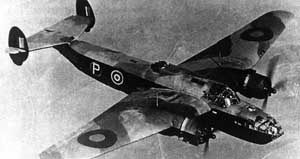
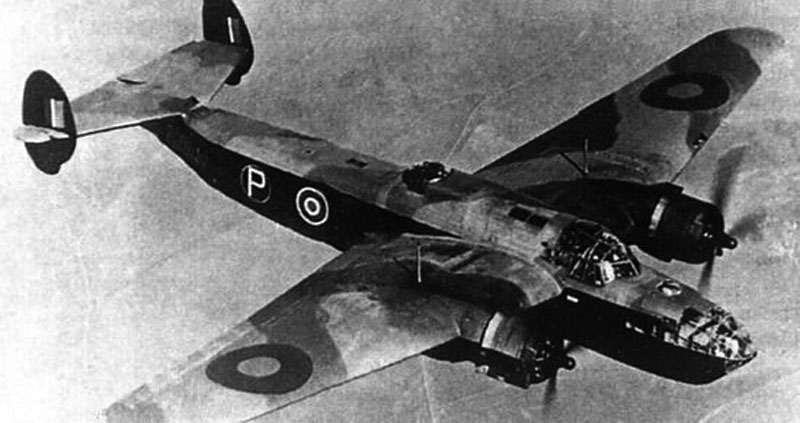
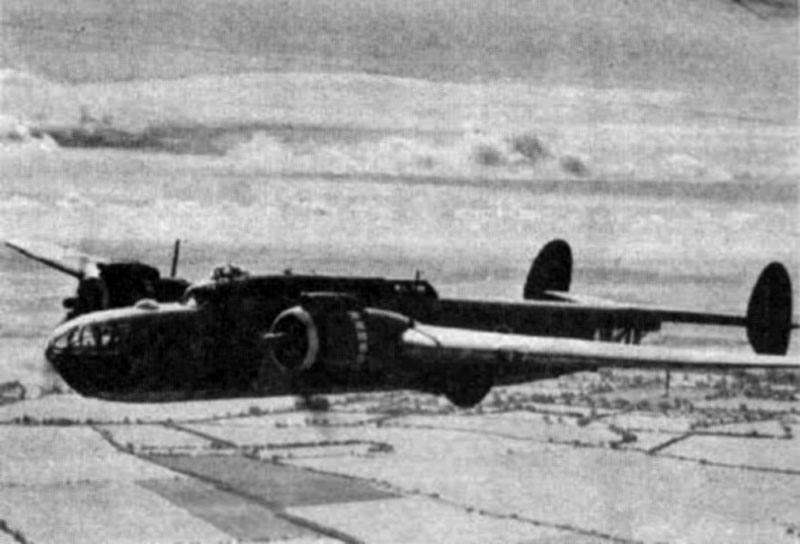
The Armstrong Whitworth Albemarle became one of those aircraft designs that evolved into a role not initially envisioned. The system came from an earlier Bristol-designed reconnaissance aircraft that went to nowhere and was designed by Armstrong Whitworth as a bomber. When that classification failed for the Albemarle, the system was relegated to a dedicated transport and glider tug, to which it took part in some of the ore major offensives and invasions of the Second World War. Generally regarded as unpleasant an aircraft as there ever was, the Albemarle would nevertheless become an integral part of the British war effort.
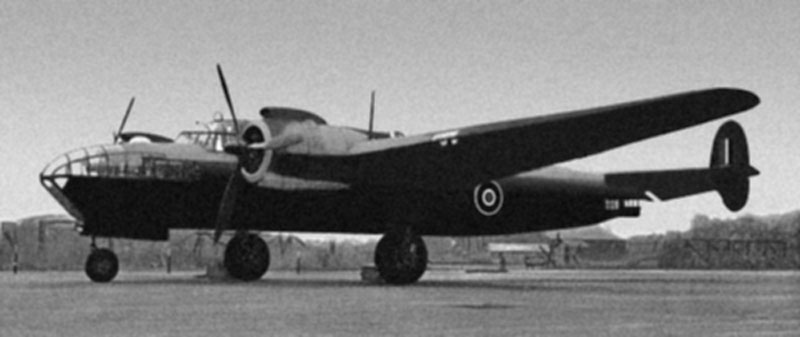
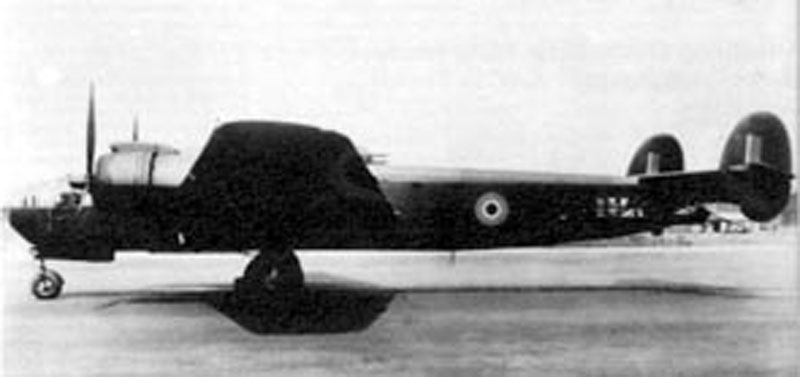
The Albemarle appeared in prototype form as early as 1939 with production sending early examples to frontline forces by 1941. The system failed to shine as a dedicated bomber in the first 42 delivered and were then switched over to the transport role. Construction was of a mix-wood and metal type, incorporating a basic fuselage with heavy glazing on the nose. The twin engines were mounted on a midwing monoplane design. A lone manually-operated turret was fitted in a dorsal middle-fuselage position and could be seen with 2 or 4 .30 caliber machine guns. Twin rudder fins were set in a T-type tail section. Power came from two Bristol Hercules-brand XI 14-cylinder radials which could generate up to 1,590 horsepower apiece. One unique aspect of the design was in the tricycle landing gear unit, something no other British production aircraft had fielded at the time.
The Albemarle took part in the invasion of Sicily to which they towed support gliders into action. Additionally, the system took part in the D-Day invasion landings of 1944 (again as glider tugs) and served with airborne elements during the airdrops over Arnhem - one of three major points controlling three major bridges in General Montgomery's "A Bridge Too Far" campaign. In the end, the Albemarle served with some subtle distinction in the non-too-glorious - yet ultimately detrimental - role it was never intended for.
Text ©2003-2009 www.MilitaryFactory.com • All Rights Reserved •
No Reproduction Without Permission • Corrections / Comments to MilitaryFactory at Gmail dot com
Last Revision: 7/18/2008
|
| |
|
|
| |
| Specifications for the Armstrong Whitworth Albemarle Mk II |
Dimensions: |
Length: 59.91ft (18.26m)
Width:77.00ft (23.47m)
Height: 15.58ft (4.75m)
|
Performance: |
About MACH |
Max Speed: 256mph (412kmh; 222kts)
Max Range: 1,350miles (2,173km)
Rate-of-Climb: 0ft/min (0m/min)
Service Ceiling: 17,999ft (5,486m; 3.4miles)
|
|
Structure: |
Accommodation: 4
Hardpoints: 0
Empty Weight: 22,600lbs (10,251kg)
MTOW: 36,500lbs (16,556kg)
|
Powerplant: |
| Engine(s): 2 x Bristol Hercules XI 14-cylinder radial air-cooled piston engines generating 1,590hp each. |
|
Armament Suite: |
|
2 OR 4 x 7.7mm Vickers machine guns in manually-operated dorsal turret
|
|
|
| Special Aircraft Collections |
|
|
| Recent Military Aircraft Additions |
|
| Contacting MilitaryFactory.com |
| We can only get better if you tell us how. You can contact MilitaryFactory.com at MilitaryFactory at gmail dot com (replace "at" with "@" and "dot with ".") with any questions, comments or corrections. We also accept related military imagery that you approve for us to use on our website. Keep in mind, however, that due to volume, we may not directly respond to your inquiry. Please add us to your list of non-blocked recipients! |
|
|

Aircraft Quick Profile |
 |
| 1941 |
Designation: Armstrong Whitworth Albemarle
Classification Type: Transport Aircraft / Glider Tug
Contractor: Armstrong Whitworth - UK
Country of Origin: United Kingdom
Production Total: 600 |
 |
|
Operators: the United Kingdom
|
|
|
|
| Variants |
Mk I - Initial Production Models; 42 being completed as bomber types whilst remaining 558 built to transport specifications.
Mk II - Transport Variant
Mk V - Glider Tug
Mk VI - Glider Tug
|
|
|