General Atomics RS-1 / MQ-1 Predator
Perhaps the future of powered flight, the MQ-1 Predator has seen some success in the armed reconnaissance role as well as basic spying duties.
By Staff Writer
At a cost of about $40 million dollars per system, the RQ-1/MQ-1 Predator is a pricey yet integral part of US Air Force operations in Iraq and Afghanistan. Operating by remote control, the Predator can cover a section of territory with excellent loitering endurance and not expose friendly aircrew to enemy fire or capture. As it stands, the US Air Force currently maintains some 97 General Atomics-produced Predators in its inventory and utilizes the system in both the reconnaissance and armed reconnaissance roles.
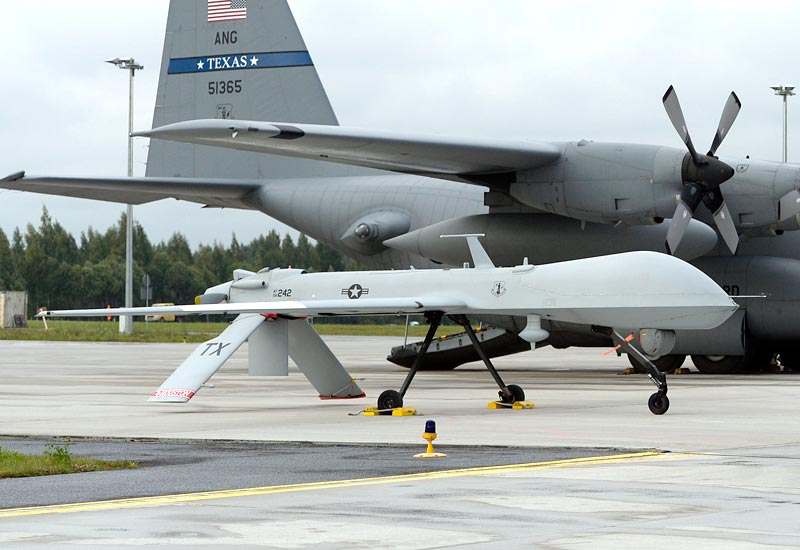
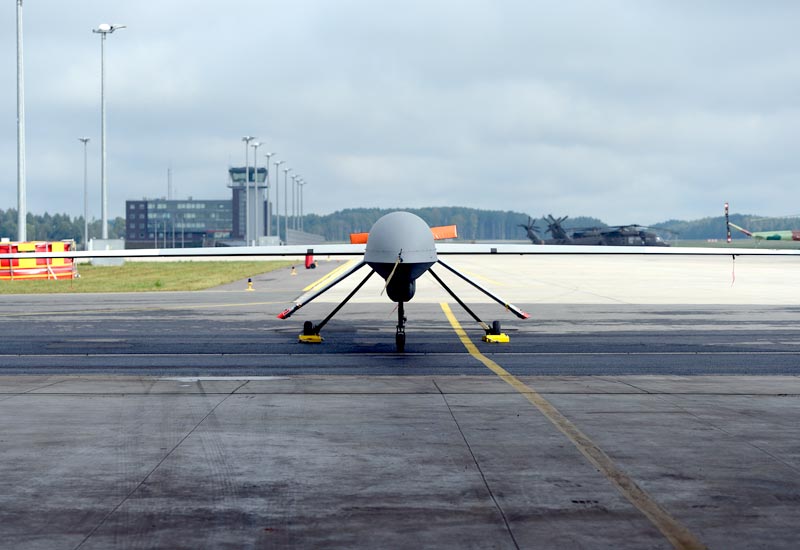
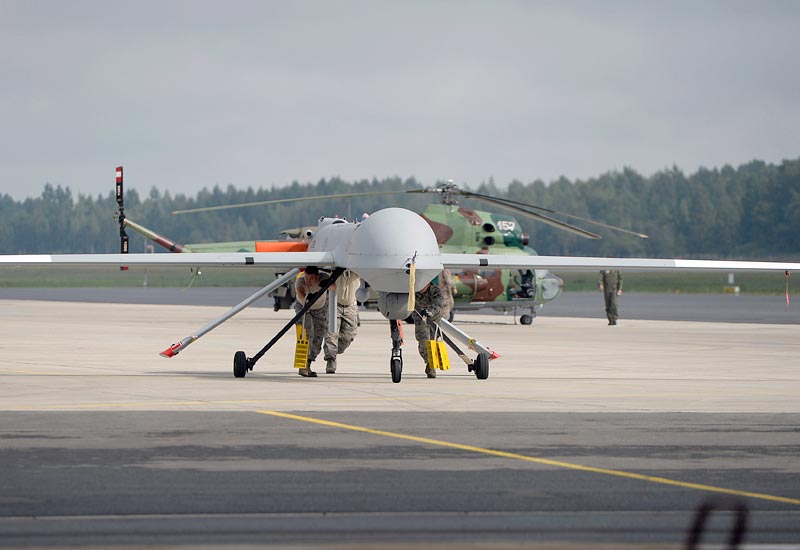
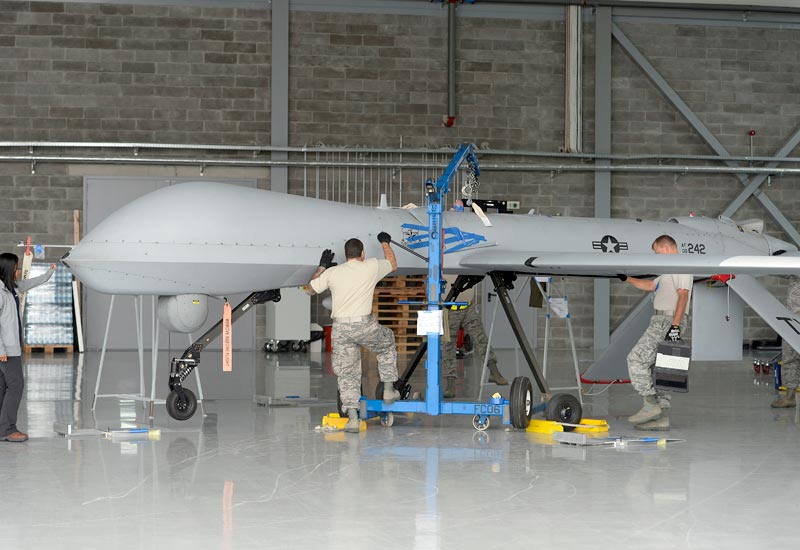
The Predator operates remotely under the supervision of three Air Force personnel - one pilot and two sensor operators - though a full team complement consists of 55 personnel. The system is fed input via ground equipment and a satellite-ready component known as the Predator Primary Satellite Link. Four Predator aircraft units make up one full Predator group while transportation of Predators is by C-130 Hercules. If operating from a runway in the traditional aircraft sense, the Predator requires very little surface area to land on and take-off from and landing itself is accomplished with a retractable tricycle landing gear system.
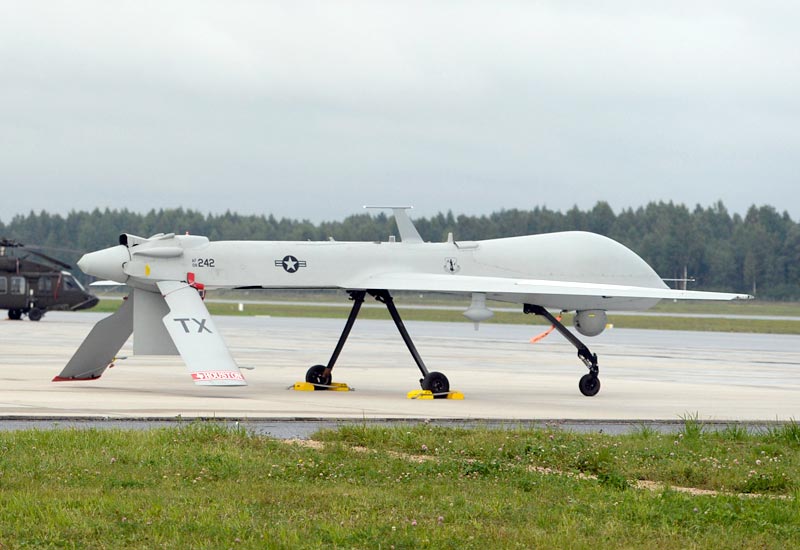
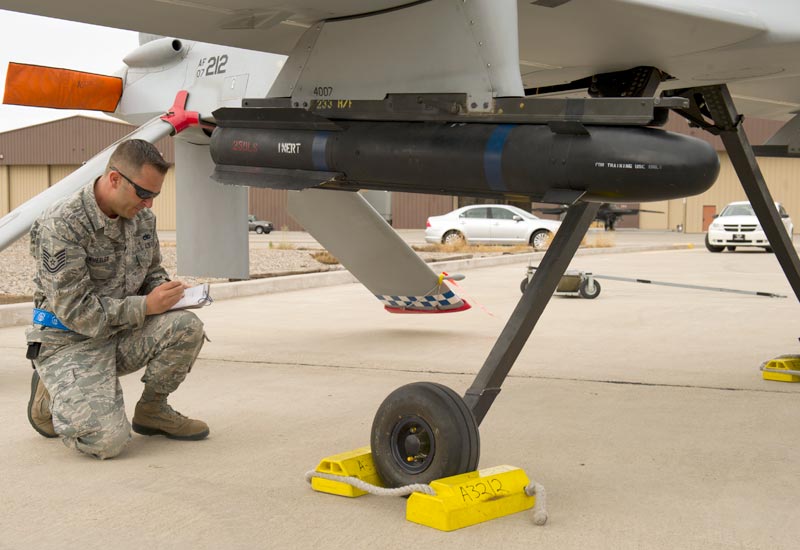
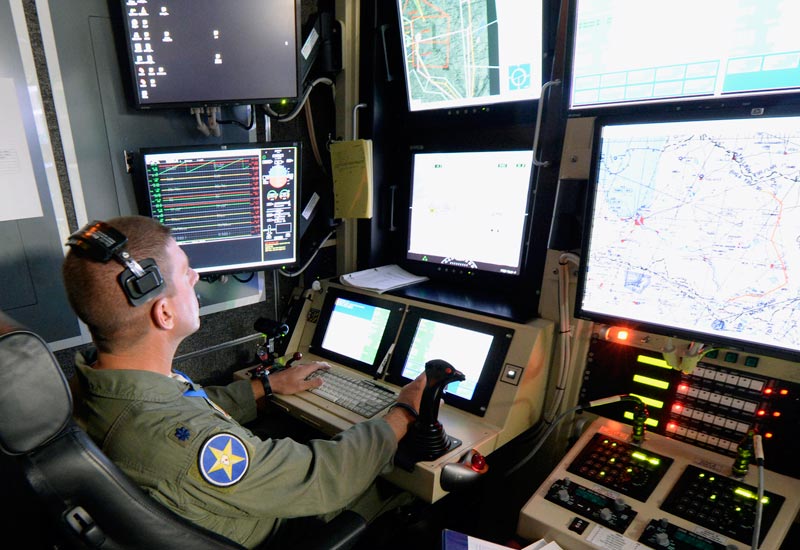
Flying the Predator is accomplished through a forward-mounted color camera which feeds real time information to the pilot controlling the unit via joystick while situated in the Ground Control Station. Additional infra-red and TV cameras are also fitted into the fuselage and can provide real-time and still image reconnaissance service. In the armed reconnaissance role, the Predator is seen fitted with two AGM-114 Hellfire anti-tank missiles – a munition more commonly associated with the AH-64 Apache combat helicopter - mounted under each wing and can be called on to engage ground-based vehicles through laser-guidance acquisition and targeting. In this mode, the Predator utilizes a powerful built-in laser illuminator / laser designator system with infra-red capability. Powered flight is attained from a single turbocharged Rotax 115 horsepower engine driving a rear-mounted propeller.
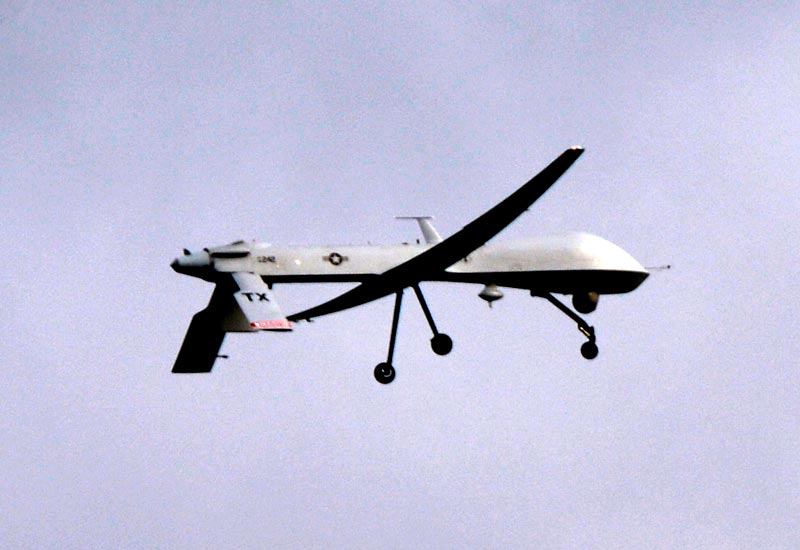
In terms of performance, the MQ-1 can reach ceilings of up to 25,000 feet with a range of 454 miles at speeds of 135 miles per hour (though normal cruise speed is reported to be about 84 miles per hour). Wingspan for the unmanned craft measures in at nearly 49 feet and entire system unloaded weighs about 1,100 pounds - two facets that are hardly discernable through aerial images alone. As such, the Predator aircraft is not a smallish aircraft by any sense.
Incidentally, the Predator initially received the designation of RQ-1 with "R" indicating its reconnaissance role and "1" indicating the initial system series of purposely-built unmanned aircraft. "Q" is a designation meaning that this aircraft is unmanned. Since 2002, the system took on the more familiar MQ-1 designation to indicate the addition of an armed reconnaissance duty. The Predator currently appears with three Air Force reconnaissance squadrons.
Text ©2003-2010 www.MilitaryFactory.com • All Rights Reserved •
No Reproduction Without Permission • Corrections / Comments to MilitaryFactory at Gmail dot com
|