Military Factory
Military Pay Chart
Global Firepower
Military Industrial Complex
Second World War
Home
Military Pay Scale
Military Ranks
Small Arms
Aircraft
Land Systems
Navy
Education
Military Factory Facebook Logo
flag of United States

Northrop F-89 Scorpion All-Weather Interceptor (1950)

Authored By Staff Writer | Last Updated: 11/6/2012

The Northrop F-89 Scorpion jet-powered interceptor provided a decade of Cold War air defense for North America.

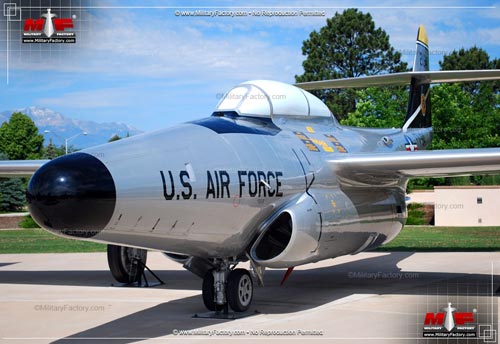
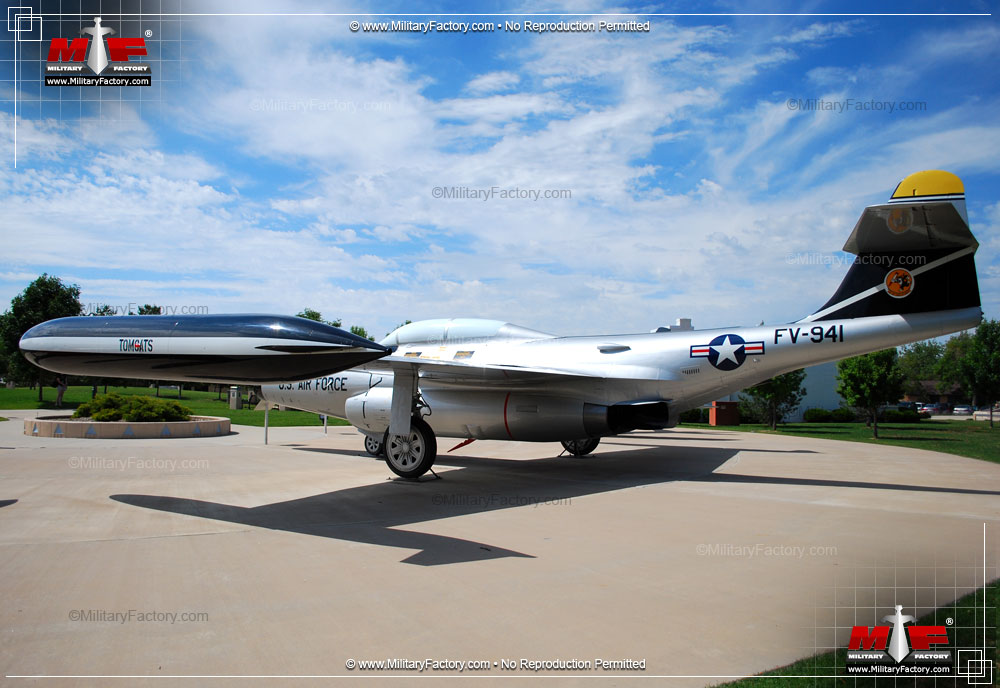
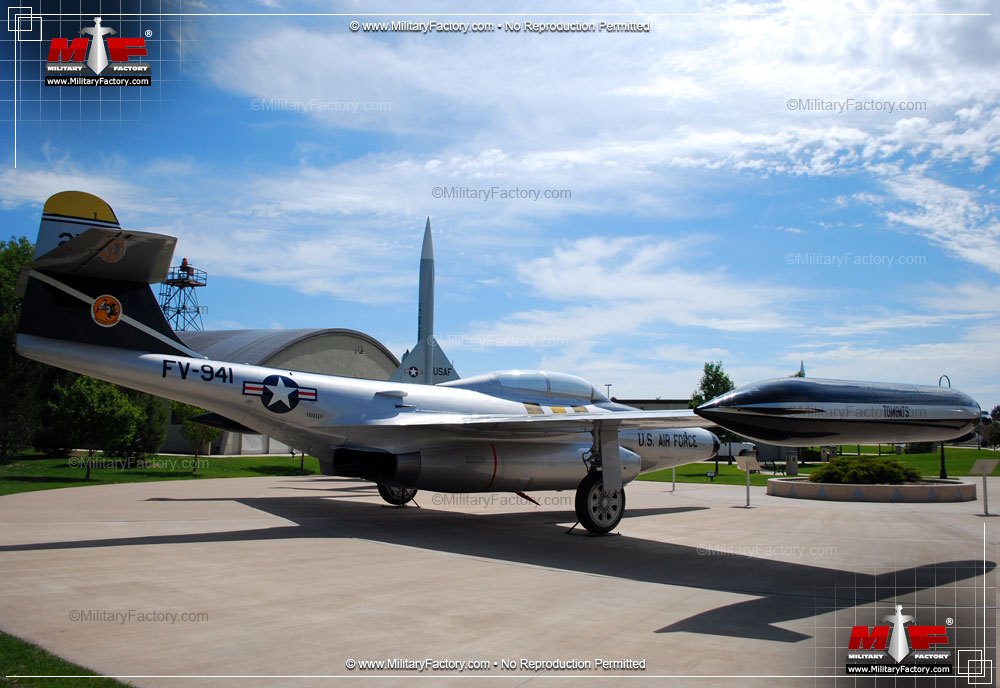
The Northrop F-89 Scorpion delivered a decade of service to the United States Air Force, charged with the critical defense of the upper North of the American continent from Soviet bomber incursions during the Cold War. The design was a relatively large two-seat, jet-powered fighter-type interceptor aircraft specifically designed to a USAF specification intended to replace the outgoing, propeller-driven Northrop F-61 "Black Widow" and North American F-82 "Twin Mustang" aircraft with origins in World War 2. The USAF commissioned work on the program in 1945 which resulted in a first flight of the XP-89 prototype on August 16th, 1948. The F-89 Scorpion was officially introduced in September of 1950 as the newest USAF dedicated interceptor.

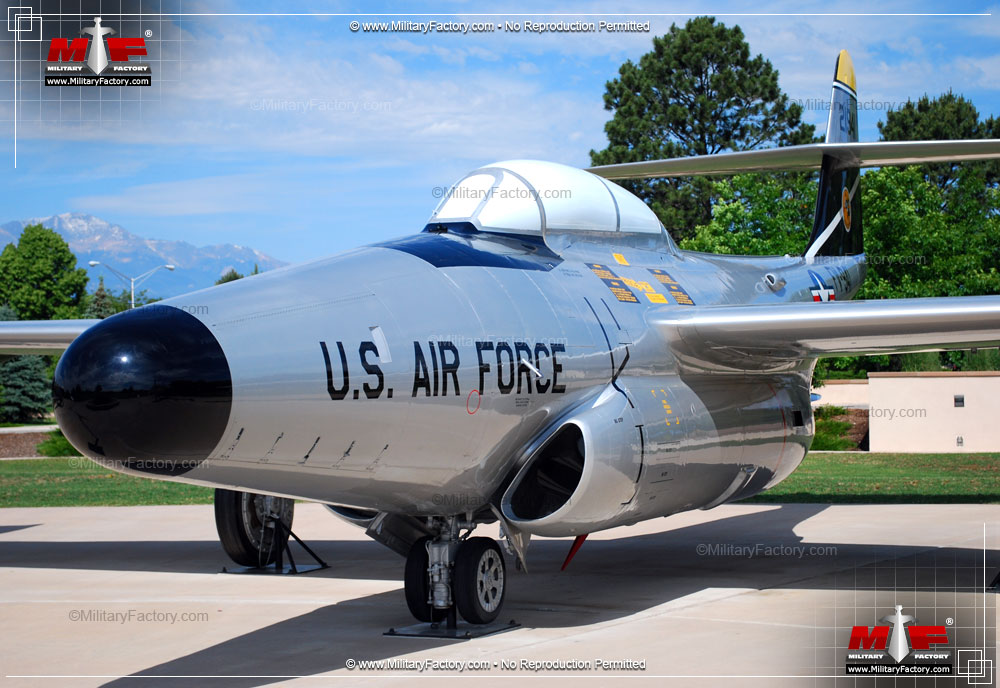
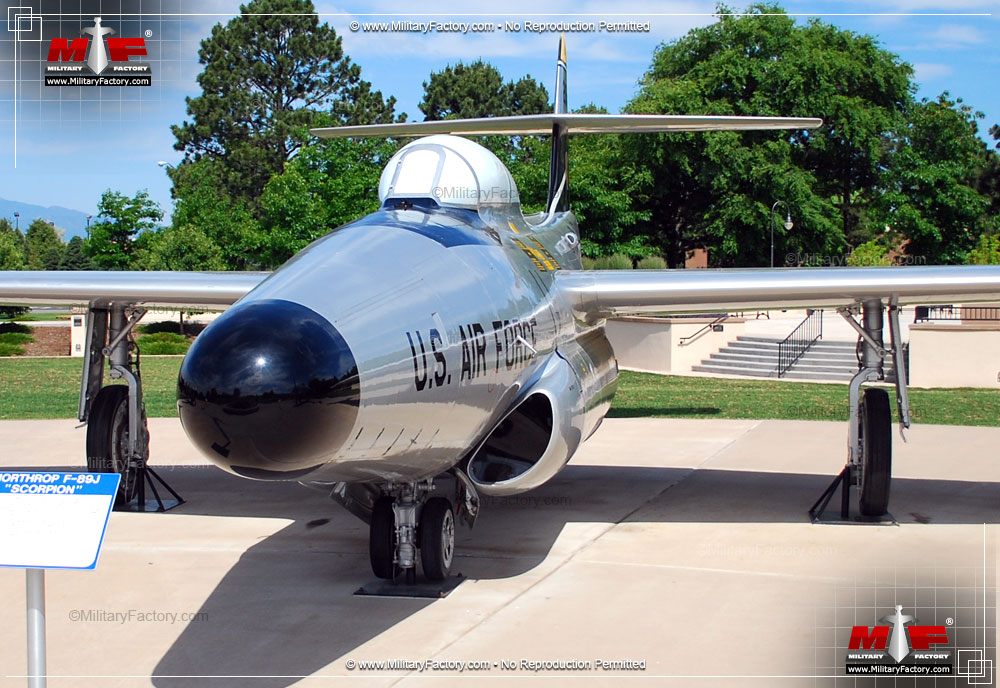
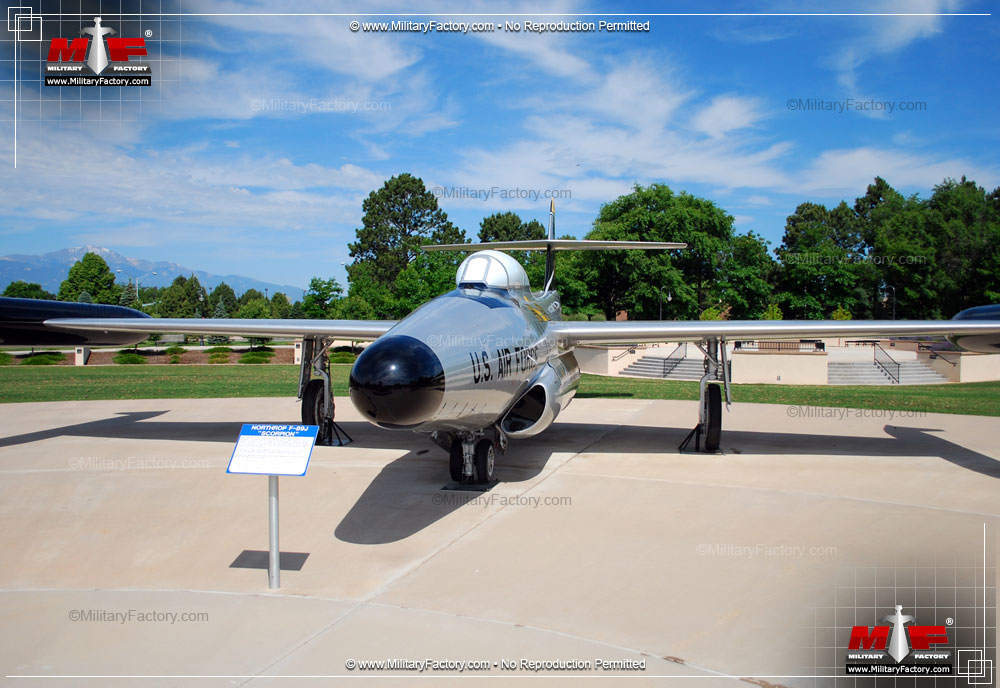
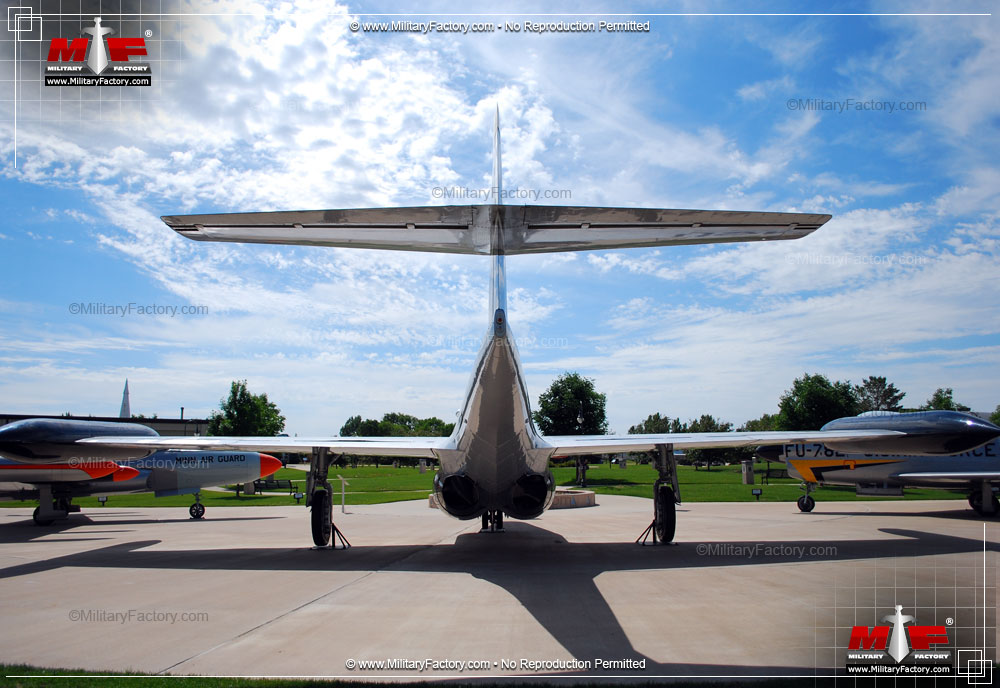
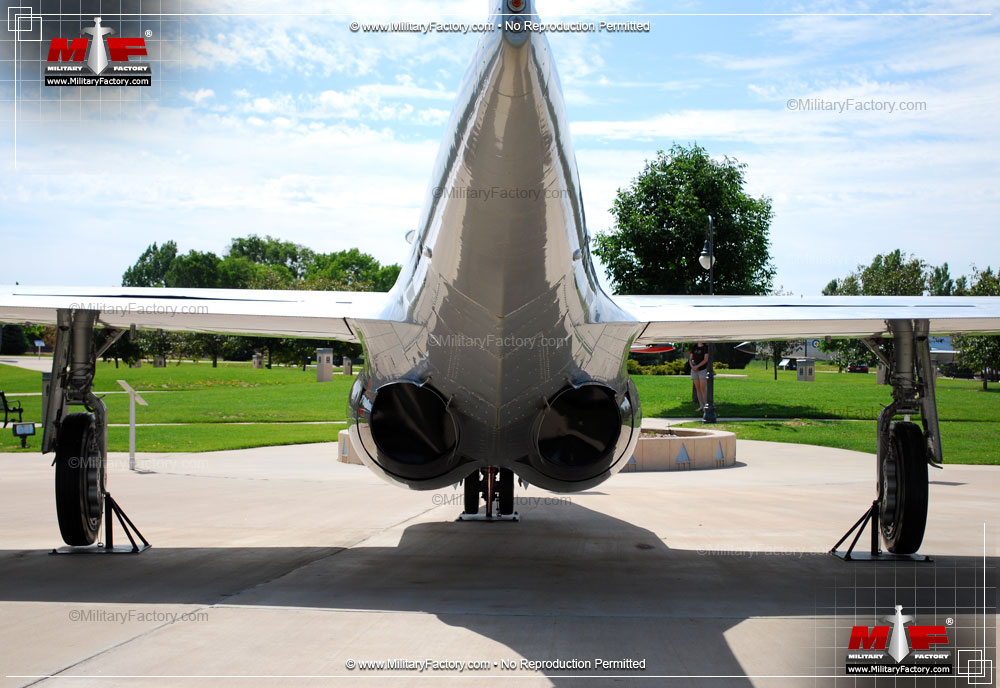
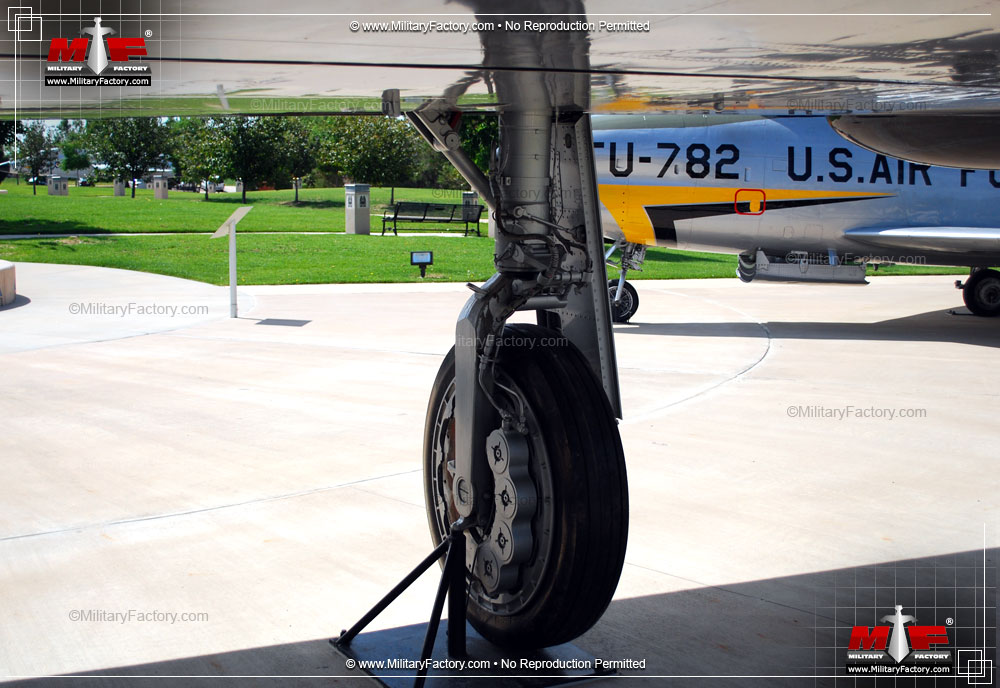
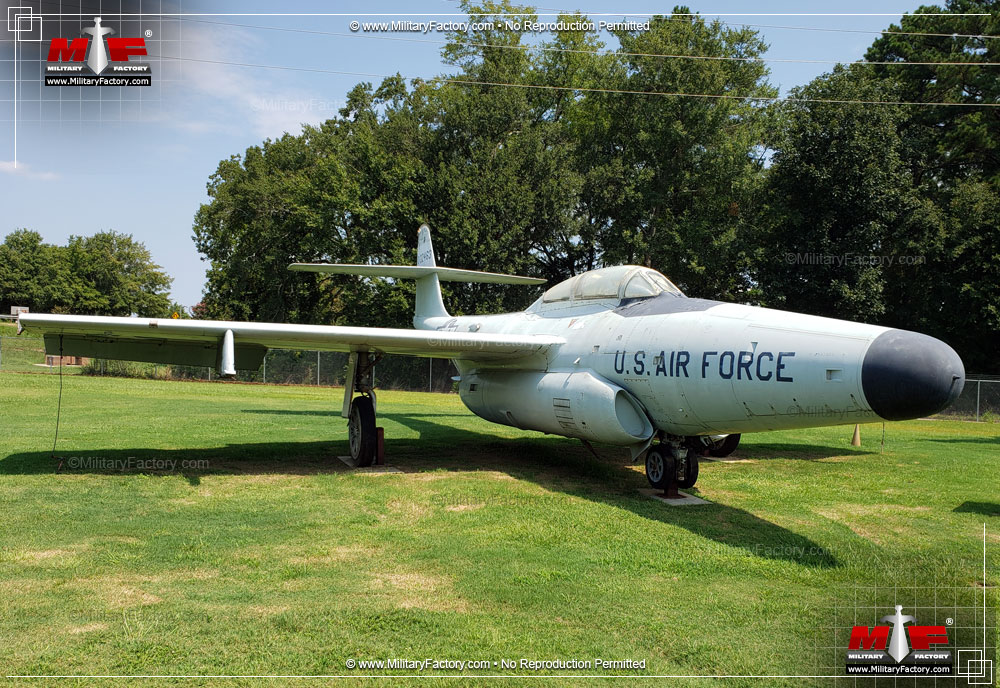
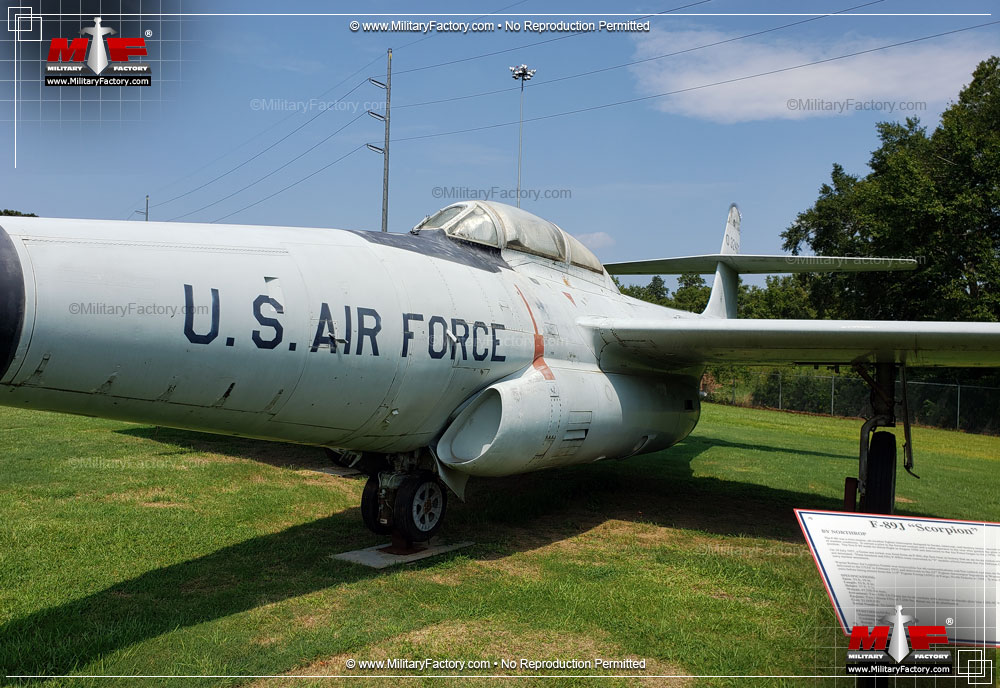
The F-89, itself, was largely conventional for the time, arranged with an internal twin-engine turbojet configuration and air intakes mounted low along the fuselage sides. The engines exhausted from individual ports under and behind each wing root at the base of the empennage. One of the more novel design features was use of the "deceleron" control surface which was utilized as a "speedbrake" for lining up behind potential targets prior to firing. The aircraft was managed by two crewmembers - the pilot in the forward cockpit with the radar operator in the rear. The elongated nose cone assembly housed a powerful radar system that would be utilized for the required interception sorties. The wings were straight assemblies fitted at amidships and (eventually) capped with wingtip-mounted unguided rocket pods in streamlined nacelles (up to 104 x "Mighty Mouse" rockets were housed altogether). Additionally, later Scorpion models could be outfitted with a combination load of Falcon air-to-air missiles and Mighty Mouse rockets - all intended to bring down large enemy bombers. While not granted exceptional performance benefits in her design (no thanks to the use of straight wings lacking any sweep), the F-89 was gifted with a service ceiling that allowed the system to avoid potentially lethal low-altitude confrontations with ground-launched missiles or enemy interceptors. When at rest, the F-89 certainly promoted a very distinct low-set profile, its fuselage belly nearly skirting the turf. The undercarriage was wholly retractable and consisted of two single-wheeled main legs under the wings and a single-wheeled nose leg under and ahead of the cockpit floor.

internally, and the main reason for the aircraft's existence and success, the ultimate form of the F-89 was equipped with the then-powerful AN/APG-40 series radar suite coupled to the AN/APA-84 computer system capable of tracking aerial targets up to 50 miles out. The system was tied to the technologically-laden Hughes fire control system (FCS) which featured an integrated advanced autopilot function. All told, the collective system was designed to be able to track targets, guide the aircraft to within range of the onboard armament and automatically engage targets without pilot input.

The F-89 series served the USAF primarily throughout the tumultuous 1950s in a frontline capacity before being relegated to second line duty the decade following. All F-89 versions were then out of service by the end of the 1960s after some 1,050 examples had been delivered. At the time of its inception, the F-89 marked two "firsts" becoming the first operational combat-level aircraft outfitted with nuclear-tipped air-to-air weaponry (in the Genie rocket) and the first USAF jet-powered fighter to support guided munitions. Ex-USAF mounts were transferred to the Air National Guard for the remainder of her days. The last F-89 was retired from ANG service in July 1969.

Operational production variants were preceded by the original XF-89 prototype (2 x Allison J-35-A-9 engines of 4,000lbs thrust each) which was followed by the XF-89A prototype (J-35-A-21A engine of 5,100lbs thrust each - 6,800lbs thrust with afterburner). The initial production model (essentially operational evaluation mounts) became the F-89A of which only eight were produced and these were slightly different from the prototypes in that their tailplanes were modified. Additionally, these production models fitted 6 x cannons as base armament. The F-89B was the second production airframe which incorporated an improved avionics package and 40 of the type were produced by Northrop, eventually dogged (and ultimately limited) by engine issues. These were naturally followed into service by the improved F-89C with their 2 x J-35-A-21/-33 series engines of 5,600lb/7,400lb thrust each. however, wing integrity issues eventually plagued all three of these early marks which limited them in many ways - especially production numbers.

The definitive production mark of the Scorpion line became the F-89D (born of a modified F-89B as the "YF-89D") which did away with the onboard internal cannon arrangement and brought about use of wingtip rocket launchers instead. The type was further advanced by the installation of the Hughes E-6 FCS, AN/APG-40 radar with AN/APA-84 series computer. The F-89D was produced in 682 examples, far outweighing all previous marks in the series by numbers alone. The F-89 enjoyed a listed maximum speed of 635 miles per hour with an ferry range of 1,360 miles. It could hit service ceilings of near-50,000 feet altitude and rise to intercept at 7,440 feet per second on full afterburner thrust. Overall bomb load was limited to 3,200lbs of externally held ordnance.

The F-89D was then followed by the F-89H of which 156 were produced (developed from three F-89D modified models under the "YF-89H" designation). These incorporated the E-9 fire control system with support for 6 x GAR-1/-2 Falcon semi-active homing/infrared (respectively) air-to-air missiles along with 42 x FFAR (Folding-Fin Aerial Rockets).

Some 350 F-89D models were later converted to the "F-89J" standard (Project Ding Dong) which utilized several underwing stations for 2 x MB-1 Genie nuclear-tipped air-to-air rockets alongside 4 x Falcon air-to-air missiles. Fuel pods or rocket pods could also be carried along the wingtip mounts as normal. During "Operation Plumb Bob" over Nevada on July 19th, 1957, the F-89J became the first aircraft to ever fire and detonate a nuclear-tipped rocket.

The "DF-89A" designation was given to ex-F-89A airframes converted to drones. Similarly, "DF-89D" drones were based on the F-89B production mark.

The F-89 was proposed or trialed in several other forms prior to its end days. The YF-89E served as a single prototype (a converted F-89C production model) for the Allison YJ71-A-3 engine of 7,000lb dry and 9,500lb afterburner engine. The F-89G was a proposed variant to be finished with the Hughes MA-1 fire control system and support for GAR-1/GAR-2 Falcon air-to-air missiles. The F-89F, another proposal, was given an all-new fuselage and wing design while incorporating the J71 series turbojet engine - alas, this mark was also not selected for serial production.

In the end, the F-89 proved a viable dedicated bomber interceptor and established a presence as a potent deterrent while providing technological stepping stone to future like-minded interceptor designs to follow. Its incorporation of an integrated autopilot system with tracking and targeting radar along with automatic weapon function would usher in a new age of interceptors that, in turn, would lead to all-new, more technologically evolved designs.
Text ©2003-2013 www.MilitaryFactory.com • All Rights Reserved • No Reproduction Permitted
MilitaryFactory.com does NOT sell equipment/weaponry. Material presented throughout this website is for historical and entertainment value and should not to be construed as usable for hardware restoration, maintenance or general operation. Please consult manufacturers for such information. Our disclaimer. Email corrections / Comments to MilitaryFactory at Gmail dot com.
Picture of Northrop F-89 Scorpion
Pic of the Northrop F-89 Scorpion
Image of the Northrop F-89 Scorpion
View All Images (19)

Specifications for the
Northrop F-89 Scorpion
All-Weather Interceptor


Country of Origin: United States
Manufacturer: Northrop Aviation Corporation - USA
Initial Year of Service: 1950
Production: 1,050


Focus Model: Northrop F-89D Scorpion
Crew: 2


Length: 53.84ft (16.41m)
Width: 59.65ft (18.18m)
Height: 17.59ft (5.36m)
Weight (Empty): 25,194lbs (11,428kg)
Weight (MTOW): 42,241lbs (19,160kg)


Powerplant: 2 x Allison J-35-A-35 turbojet engines with afterburn generating 7,200lbs of thrust.


Maximum Speed: 636mph (1,024kmh; 553kts)
Maximum Range: 2,600miles (4,184km)
Service Ceiling: 49,196ft (14,995m; 9.3miles)
Rate-of-Climb: 5,250 feet per minute (1,600m/min)


Hardpoints: 5 (including wing tip mounts)
Armament Suite:
ORIGINAL:
6 x 20mm T-31 internal cannons

STANDARD:
104 x "Mighty Mouse" 2.75-inch air-to-surface rockets in wingtip launchers.

OPTIONAL:

3 x Falcon air-to-air missiles
27 x Mighty Mouse 70mm unguided rockets


Variants:
XF-89 - Initial prototype; fitted with Allison J-35-A-9 series engines of 4,000lbs thrust.


XF-89A - Second prototype with J-35-A-21A engine of 5,100lbs thrust; 6 x 20mm internal cannons added.

F-89A - Initial production variant; evaluation models numbering eight total examples; modified tailplanes.

F-89B - Second production mark; upgraded avionics suite; 40 examples produced, limited by engine issues.

F-89C - Third production mark; fitted with J-35-A-21 / -33 series engines of 5,600lbs thrust; production limited to 164 examples.

YF-89D - F-89B production model with new avionics and armament package.

F-89D - Definitive F-89 mark based on YF-89D prototype; sans 6 x 20mm internal cannons; wingpods fitting 104 x rockets; Hughes E-6 fire control system; AN/APG-40 series radar coupled to AN/APA-84 computer system; 682 examples produced.

YF-89E - Developmental testbed from F-89C production model for Allison YJ71-A-3 engine of 7,000lbs thrust.

F-89F - Proposed variant fitting J71 engine with new fuselage design and wing assemblies; not selected for serial production.

F-89G - Proposed improved F-89 with Hughes MA-1 fire control system with support for GAR-1/-2 Falcon air-to-air missiles.

YF-89H - Three F-89D converted testbed airframes.

F-89H - Fitted with E-9 fire control system; support for 6 x GAR-1/-2 Falcon air-to-air missiles with 42 x FFAR; 156 examples produced.

F-89J - Final F-89 variant; F-89D conversions with support for 2 x MB-1 Genie nuclear rockets with 4 x Falcon air-to-air missiles; 350 conversions from F-89D production models.

DF-89A - F-89A production models modified as aerial drones.

DF-89B - F-89B production models modified as aerial drones.


Operators:
United States

ALL AIRCRAFT CATEGORIES

BY DECADE:


1900 to 1909
1910 to 1919
1920 to 1929
1930 to 1939
1940 to 1949
1950 to 1959
1960 to 1969
1970 to 1979
1980 to 1989
1990 to 1999
2000 to 2009
2010 to 2019
2020 to 2029
VIEW ALL
Compare Aircraft


BY TYPE:


Anti-Submarine Warfare (ASW)
Attack Helicopters
Bomber Aircraft
Medium Bombers
Heavy Bombers
Close-Air Support (CAS)
Commercial Aircraft
Dive Bombers
Electronic Warfare Aircraft (EWA)
Experimental / X-Planes
Fighter Aircraft
Floatplane Aircraft
Flying Boat Aircraft
Aerial Refueling Tankers
Helicopters (ALL)
Interceptor Aircraft
Multi-Role Aircraft
Navy Carrier Aircraft
Night Fighters
Reconnaissance / Scout
Search & Rescue (SAR)
Scout Helicopters
Special Purpose
Torpedo Bombers
Trainer Aircraft
Transport Aircraft
Transport Helicopters
Unmanned Aerial Vehicles (UAVs)
Unmanned Combat Air Vehicles (UCAVs)


COLLECTIONS:


4th Generation Fighter Aircraft
5th Generation Fighter Aircraft
US X-Planes
Classic US Warbirds
French Military Helicopters
Grumman "Cats"
Howard Hughes Aircraft
Indian Air Force
Israeli Air Force
Libyan Aircraft
Modern Chinese Aircraft
Modern Chinese Fighters
Modern Military Aircraft
Modern North Korean Aircraft
Modern Trainer Aircraft
Modern US Aircraft
Mikoyan Aircraft
Sukhoi Aircraft
Syrian Aircraft
Top 10 Fighter Aircraft of All Time


AIRCRAFT BY CONFLICT:


Arab-Israeli War (1948)
Cuban Missile Crisis (1959-1962)
Falklands War (1982)
Indo-Pak War (1965, 1971)
Iran-Iraq War (1980-1988)
Lebanon War (1982)
Operation Allied Force (1999)
Operation Desert Storm (1991)
Six Day War (1967)
Spanish Civil War (1936)
Soviet-Afghan War (1979-1989)
Yom Kippur War (1973)


MISCELLANEOUS:


Aircraft Cockpits
Aircraft Manufacturers List
Aircraft Production
Aircraft Timeline

WORLD WAR 2:


1939 Aircraft
1940 Aircraft
1941 Aircraft
1942 Aircraft
1943 Aircraft
1944 Aircraft
1945 Aircraft
1946 Aircraft
Australian Aircraft
Battle of Britain Aircraft
Bombers
Four-Engine Bombers
British Aircraft
British Bombers
British Transports
Dive Bombers
Canadian Aircraft
Fighters
Chinese Aircraft
French Aircraft
German Aircraft
German Fighters
German Flying Boats
German Jets
Secret Weapons of the Luftwaffe
Italian Aircraft
Imperial Japanese Aircraft
Imperial Japanese Fighters
Mitsubishi Bombers
Navy Aircraft
Pearl Harbor
Polish Aircraft
Romanian Aircraft
US Aircraft
US Bombers
US Navy Aircraft
Soviet Aircraft
Torpedo Bombers
Trainer Aircraft
Transport Aircraft
Tuskegee Airmen Aircraft
W.A.S.P. Aircraft
WW2 Aircraft Ranked by Speed
VIEW ALL


WORLD WAR 1:


1914 Aircraft
1915 Aircraft
1916 Aircraft
1917 Aircraft
1918 Aircraft
Aircraft Timeline
Austro-Hungarian Aircraft
Bomber Aircraft
British Aircraft
Fighters
Flying Boats
French Aircraft
Imperial German Aircraft
Italian Aircraft
Scout Aircraft
Russian Empire Aircraft
US Aircraft
WW1 Aircraft Ranked by Speed
VIEW ALL


KOREAN WAR:


Australian Aircraft
Korean War Aces
Korean War Jets
North Korean Aircraft
US Military Aircraft
VIEW ALL


VIETNAM WAR:


Helicopters (ALL)
Transport Helicopters
North Vietnam Air Force
US Airpower
VIEW ALL


COLD WAR:


1950s French Aircraft
British V-Bombers
Cold War Bombers
Soviet Aircraft
Soviet Bombers
Soviet Interceptors
Soviet Helicopters
Strategic Air Command
US Aircraft
US Bombers
US Interceptors
VIEW ALL

Site Disclaimer | Privacy Policy | Site Map | MF Origins


©2013 www.MilitaryFactory.com • Content ©2003-2013 MilitaryFactory.com • All Rights Reserved • Site Contact Email: militaryfactory at gmail dot com. The "Military Factory" name and MilitaryFactory.com logo are registered ® trademarks and protected by all applicable domestic and international intellectual property laws.


Top MF Stuff: 2013 Military Pay Scale | Military Ranks | WW2 Weapons | Sniper Rifles | Kts to Mph | WW1 Aircraft | Automatic Rifles | Aircraft Cockpits | Vietnam War Weapons | Main Battle Tanks | Submachine Guns | Shotguns | French Military Victories


Most photographic images appearing on this site are courtesy of the United States Department of Defense and are approved for public use. Other images acquired through the public domain. Digital art work courtesy of Dan Alex. Business Consulting by Kyle Williams. Material presented throughout this website is for historical and entertainment value and should not to be construed as usable for hardware restoration, maintenance or general operation. Please consult manufacturers for such information.


eXTReMe Tracker