|
|
| |
|
Bristol Blenheim
The Bristol Blenheim lost more aircrews than any other RAF aircraft in service durring World War Two.
By Staff Writer
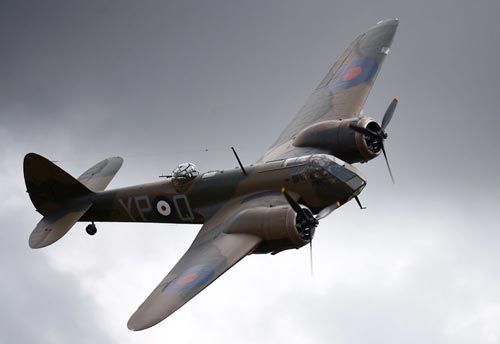
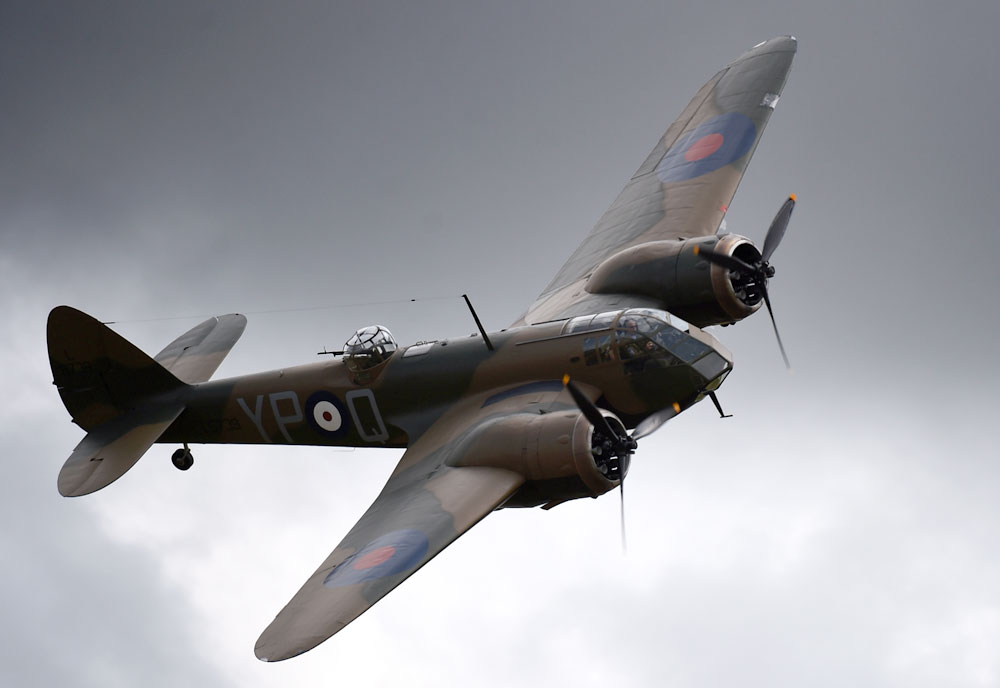
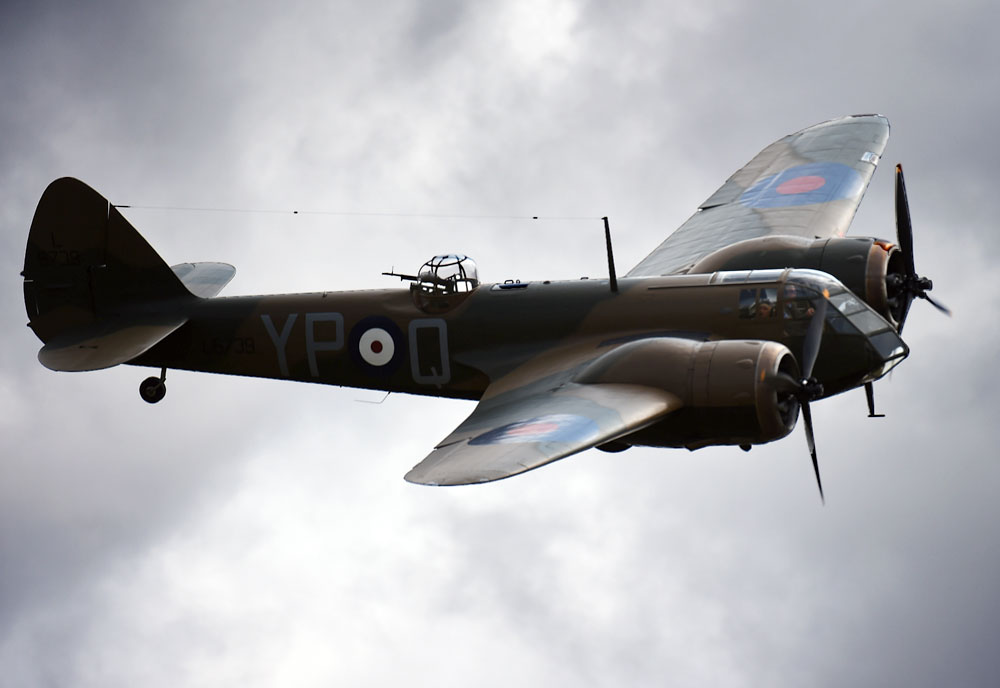
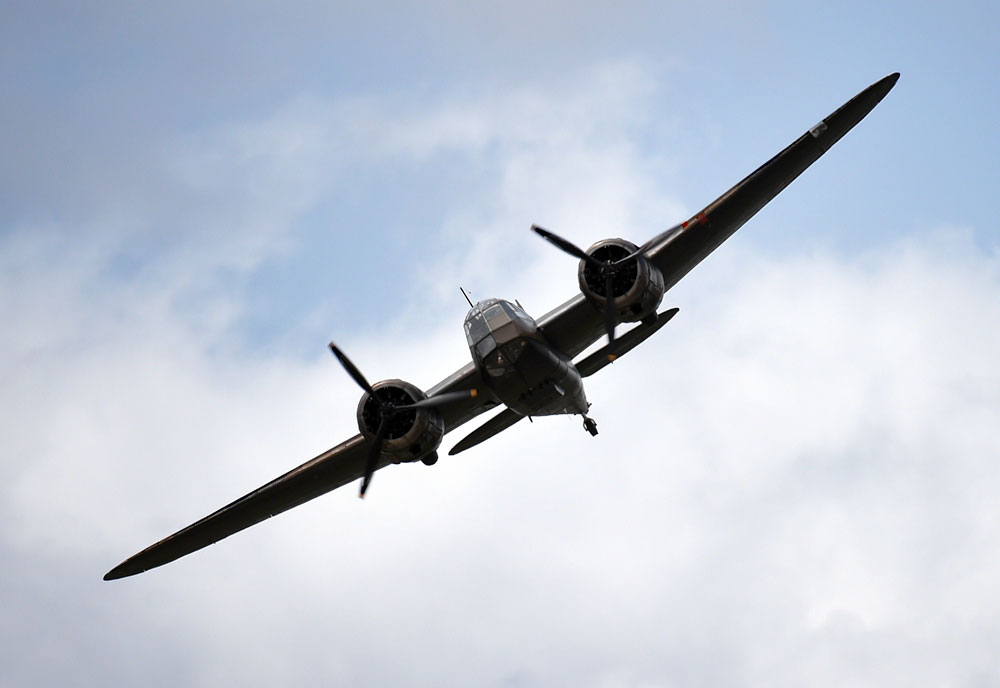
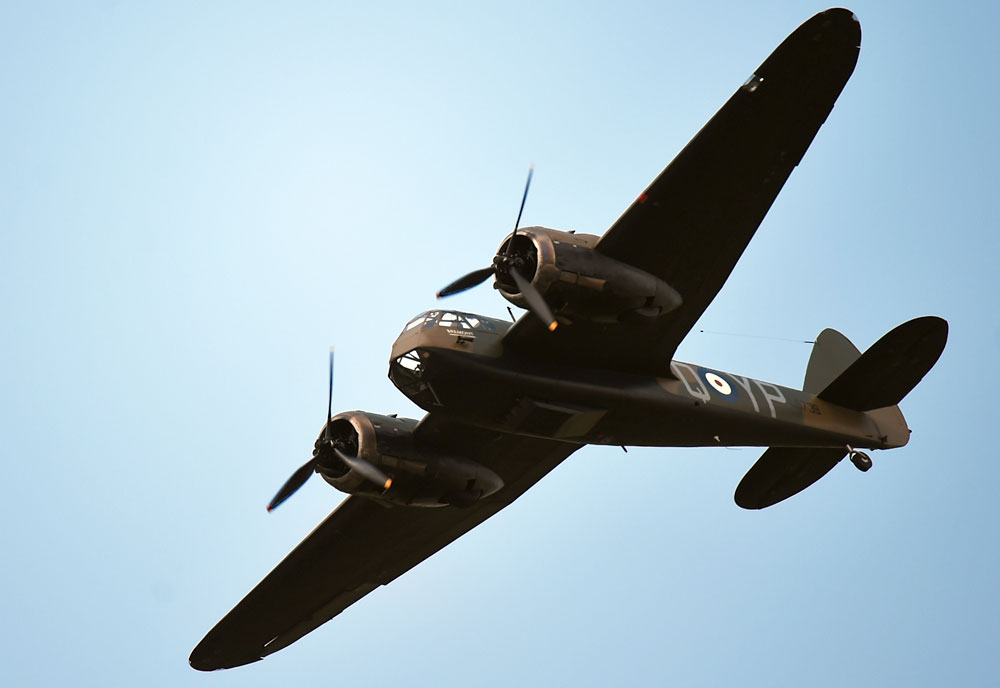
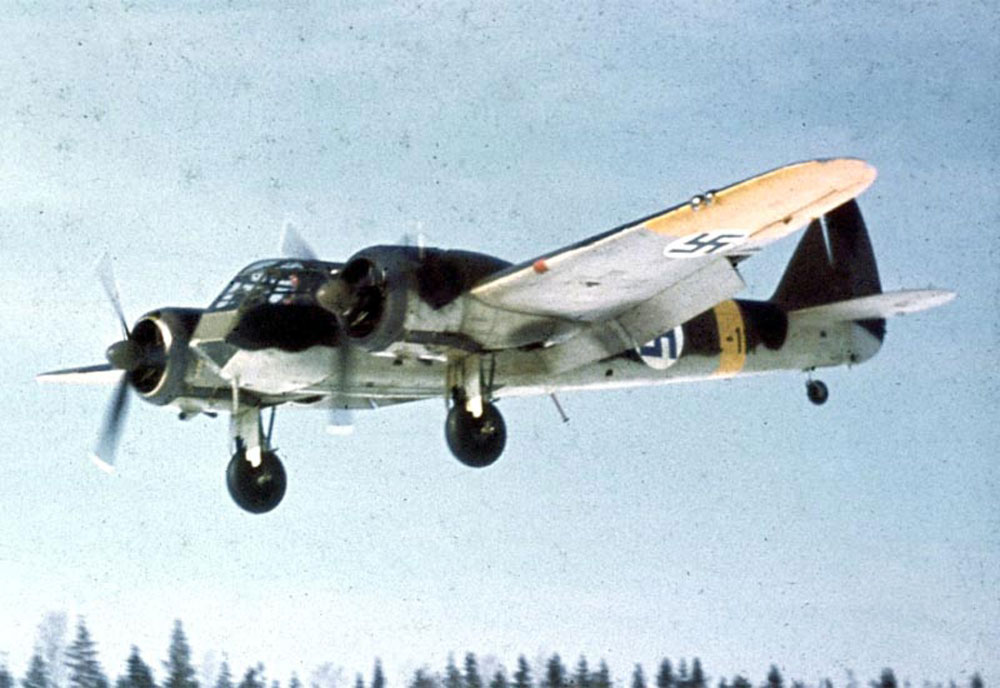
The Bristol Blenheim billed as a bomber though when it was officially installed into operational active service, the aircraft was quite capable of outrunning some fighters. The twin-engine, 3-person aircraft would equip the first ever nightfighting unit in the world for the No.25 Squadron.
The Bleinheim could achieve a top speed of of 266 miles per hour operating two Bristol Mercury 840 horsepower engines. Armaments for the system included 4 x 7.7mm machine guns in a ventral gun pack and single 7.7mm machine guns in the port wing and mid-to-rear-mounted gun turret. The airframe was capable of use as a bomber, bomber interceptor, bomber escort or ground attack.
With the arrival of the German Luftwaffe Messerschmitt Me/Bf 109 fighters, the Blenheim was outclassed in terms of dogfighting. With this revelation, Blenheims were moved on to a more distinct nightfighter role, being fitted with a highly secret radar system.
Seeing action throughout the Battle of Britain, Blenheims performed remarkably well, especially against German bombers. Later uses would see the Blenheim provided coastal and maritime support for British shipping lanes in the English Channel.
Text ©2003-2010 www.MilitaryFactory.com • All Rights Reserved •
No Reproduction Without Permission • Corrections / Comments to MilitaryFactory at Gmail dot com
Last Revision: 7/22/2008
|
| |
|
|
| |
| Specifications for the Bristol Blenheim IF |
Dimensions: |
Length: 42.59ft (12.98m)
Width:56.33ft (17.17m)
Height: 9.81ft (2.99m)
|
Performance: |
About MACH |
Max Speed: 266mph (428kmh; 231kts)
Max Range: 1,454miles (2,340km)
Rate-of-Climb: 0ft/min (0m/min)
Service Ceiling: 27,264ft (8,310m; 5.2miles)
|
|
Structure: |
Accommodation: 3
Hardpoints: 0
Empty Weight: 9,800lbs (4,445kg)
MTOW: 14,412lbs (6,537kg)
|
Powerplant: |
| Engine(s): 2 x Bristol Mercury XV radial piston engines generating 920hp. |
|
Armament Suite: |
1 x 7.7mm machine gun in wing system
2 x 7.7mm machine guns in manually-operated dorsal turret.
Up to 1,000lbs of internal stores.
Optional:
2 x 7.7mm rear-firing machine guns
|
|
|
| Special Aircraft Collections |
|
|
| Recent Military Aircraft Additions |
|
| Contacting MilitaryFactory.com |
| We can only get better if you tell us how. You can contact MilitaryFactory.com at MilitaryFactory at gmail dot com (replace "at" with "@" and "dot with ".") with any questions, comments or corrections. We also accept related military imagery that you approve for us to use on our website. Keep in mind, however, that due to volume, we may not directly respond to your inquiry. Please add us to your list of non-blocked recipients! |
|
|

| Variants |
Type 142 - Twin-Engine High Speed Transport Prototype Model.
Type 142M - Prototype Model adopted for development as a light bomber; Ministry specification of B.28/35.
B.Mk I - Initial Production Model; fitted with 2 x Bristol Mercury 840hp engines.
B.Mk IF - Interim Nightfighter Model of which 200 were produced; fitted with specialized radar and ventral machine gun pack containing 4 x 7.7mm machine guns.
B.Mk IV - Main Production Variant; fitted with 2 x Bristol Mercury XV radial engines generating 920hp; 3,297 produced.
B.Mk IF - Nightfighter Model.
B.Mk IVF - Improved Nightfighter Model
B.Mk V - Fitted with 2 x Bristol Mercury 25 or Bristol Mercury 30 engines generating 950hp; 945 produced.
B.Mk VA - Solid nose assembly housing 4 x 7.7mm machine gun array.
B.Mk VB - Close-Support Model
B.Mk VC - Operational Trainer Model
B.Mk VD - Tropical Climate Model
Bolingbroke - Canadian designation for the Mk IV model variant.
|
|
|