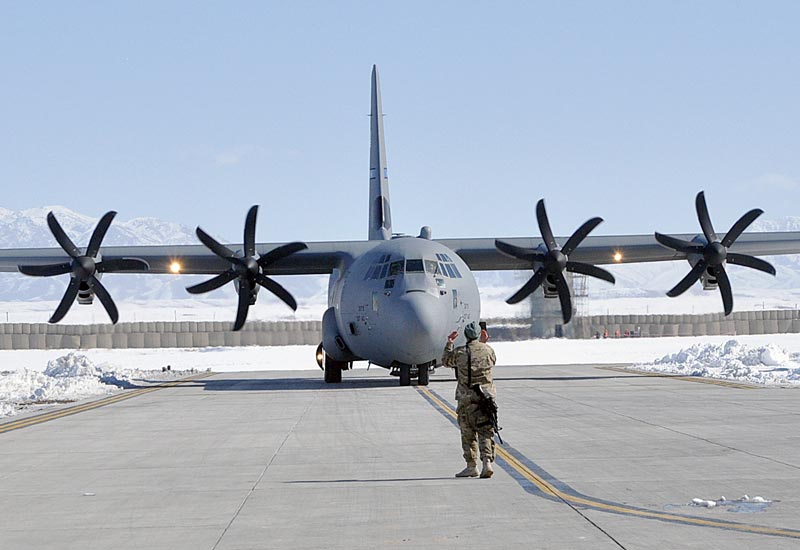
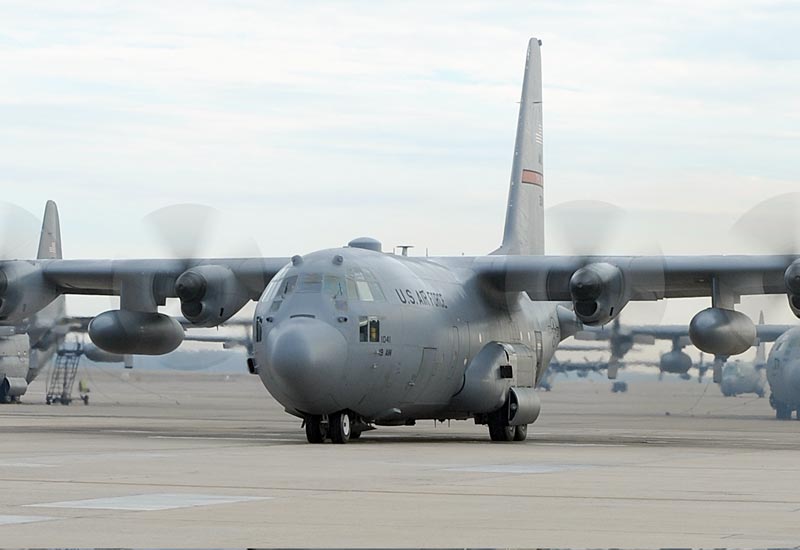
The arrival of the Lockheed-produced C-130 Hercules series of transport lay down the foundation of transport design for decades since its inception. The series ushered in standards such as the high-mounted monoplane wing design, and integral rear-mounted folding ramp and an extra-large holding area in the fuselage. The system was built with speedy loading/unloading in mind and thusly was designed with low ramp access in mind - with the ramp at rear being about level to a typical truck bed. The system maintains STOL capabilities which make it ideal in the forward operating environment where transportation of supplies, personnel and vehicles is essential.
The C-130 series began as a 1951 requirement for a military transport with Short Take-Off and Landing capabilities. The series was born as the YC-130 and performed well in the latter part of 1954 with its Allison three-bladed turboprop engines. With successes encountered throughout the war in Vietnam and furthermore in peacetime, the C-130 Hercules spawned a plethora of variants that would include special forces insertion, arctic patrol, meteorological research, communications, close-support and modernized variants of the base transport.
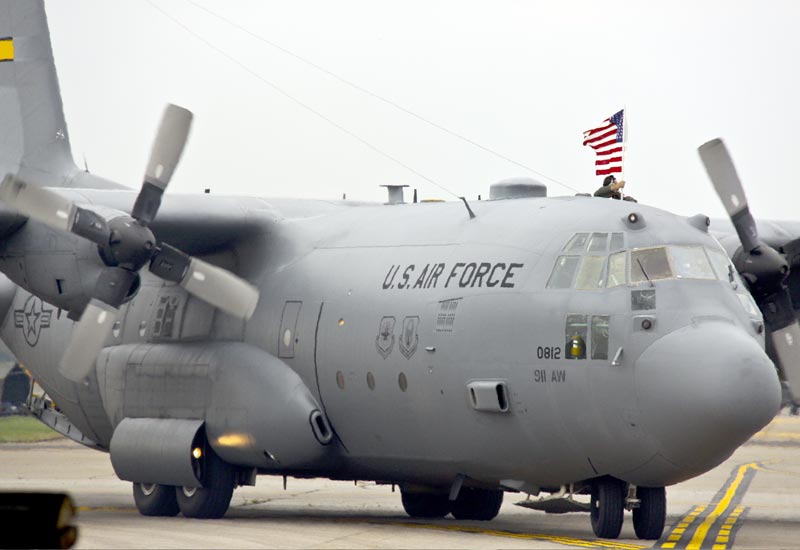
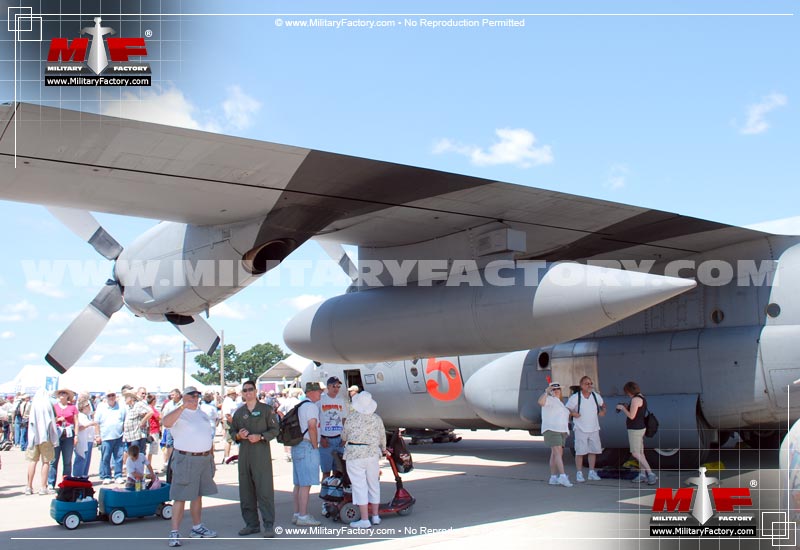
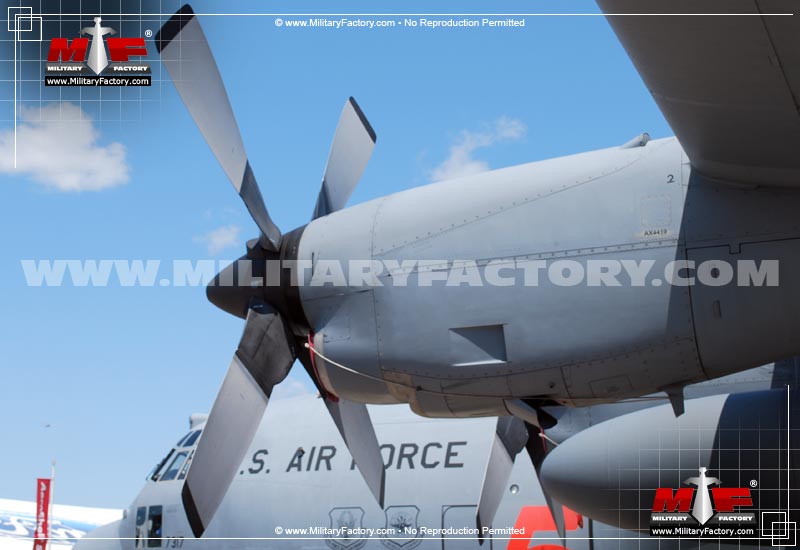
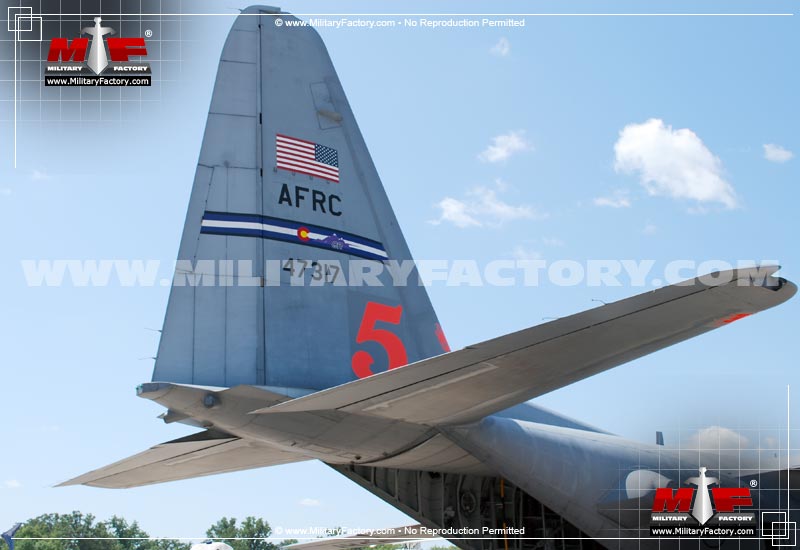
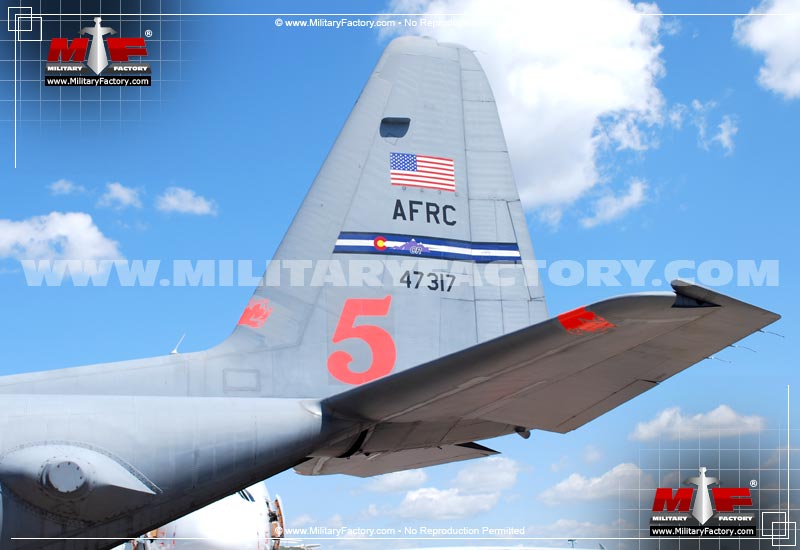
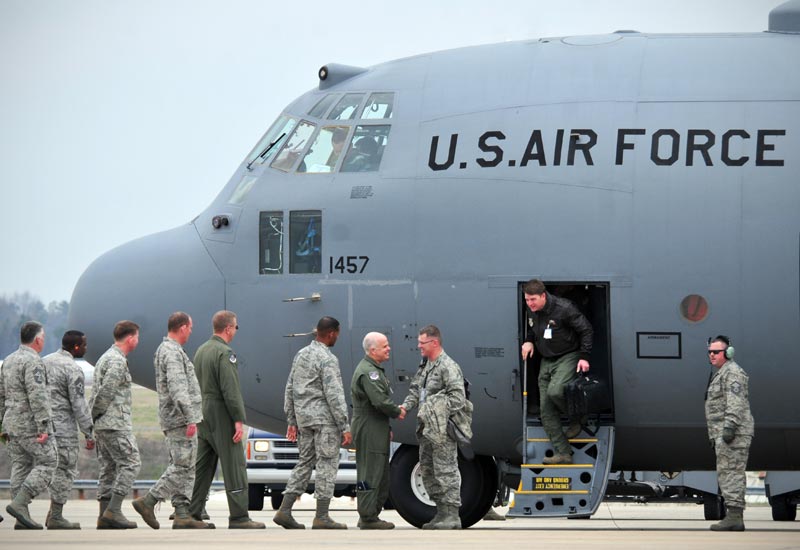
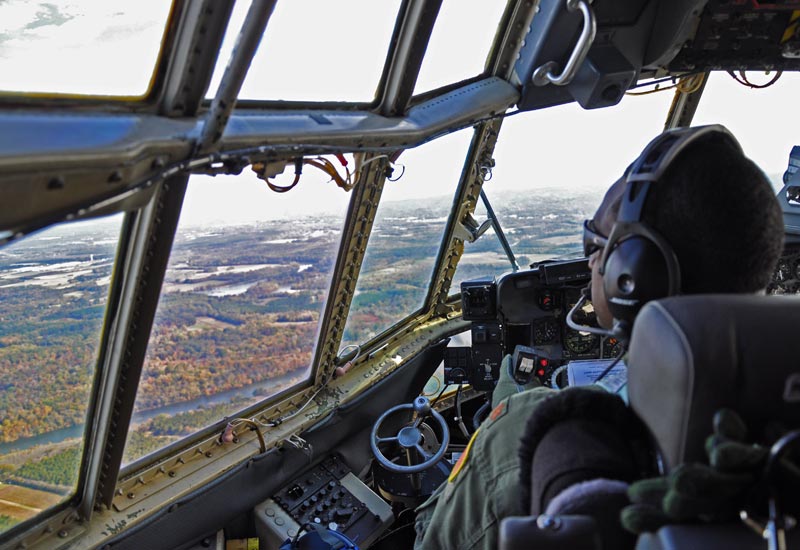
The C-130 Hercules makes use of four powerful turboprop engines from a series of Allison-branded powerplants. The Engines are mounted on the high-monoplane design that features straightened wings. A large single rudder is mounted aft. The cockpit area is mounted high atop the highly identifiable nose cone. Entry to the fuselage is accomplished through a large door at rear bottom, just under the tail section assembly.
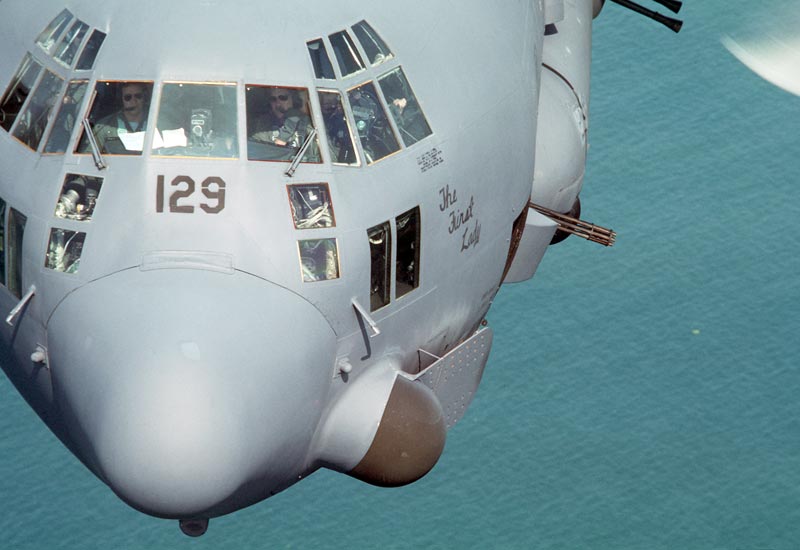
The most intriguing use of the Hercules airframe lies in the AC-130 Spectre gunship, mounting an array of cannon, howitzer and miniguns in support of ground troops. The concentrated firepower has made it a favorite among troops, airmen and military planners to have at disposal when needed in support of infantry and otherwise.
The C-130 as a whole, in one form or another, is fielded by a myriad of countries all subscribing to the effectiveness of the design. Modernization programs and advances in its turboprop design have kept the C-130 at the forefront of most armed forces, providing a capable and proven system for any mobile force.
The L-100 is a civil variant of the military C-130 Hercules with the L-100J being one of the latest in the long line of Hercules entries. The system is quite capable of mounting over 40,000lbs of payload with a range of over 2,000 miles.
We can only get better if you tell us how. You can contact MilitaryFactory.com at MilitaryFactory at gmail dot com (replace "at" with "@" and "dot with ".") with any questions, comments or corrections. We also accept related military imagery that you approve for us to use on our website. Keep in mind, however, that due to volume, we may not directly respond to your inquiry. Please add us to your list of non-blocked recipients!
Aircraft Quick Profile:
Image courtesy of the United States Air Force.
1956
Designation:Lockheed C-130 Hercules Classification Type:Tactical Transport Contractor:Lockheed Martin Corporation - USA Country of Origin: United States Production Total: 2,500
Operators: Algeria; Argentina; Australia; Austria; Bangladesh; Belgium; Bolivia; Botswana; Brazil; Cameroon; Canada; Chad; Chile; Colombia; Denmark; Ecuador; El Salvador; Egypt; Ethiopia; France; Gabon; Greece; Honduras; Indonesia; Iran; Iraq; Israel; Italy; Japan; Jordan; Kuwait; Liberia; Libya; Malaysia; Mexico; Morocco; Netherlands; New Zealand; Niger; Nigeria; Norway; Oman; Pakistan; Peru; Philippines; Poland; Portugal; Romania; Saudi Arabia; Singapore; South Africa; South Korea; Spain; Sri Lanka; Sudan; Sweden; Taiwan; Thailand; Tunisia; Turkey; United Arab Emirates; United Kingdom; United States; Uruguay; Venezuela; Vietnam; South Vietnam; Yemen; Zambia
Variants
YC-130 - Prototype Model Designation; fitted with Allison T56-A-1A (3,750shp); three-blade propellers.
C-130A - Initial Production Model designation.
C-130B - Allison T56-A-7 turboprops introduced; increased fuel capacity; increase maximum weight.
C-130E - Addition of two external fuel tanks; increased internal fuel capacity; 4,050shp turboprops of T56-A7a design; four-blade propellers.
C-130H - More powerful Allison T56-A-15 engines; airframe and internal subsystem improvements.
C-130H-30 - Lengthened fuselage.
C-130J - Modernized variant; introduction of Allison AE 2100D3 turboprop engines; six-blade composite propellers; 2-pilot flight deck; multi-function displays; digital avionics.
C-130J-30 - Special 'stretched' version
L-100 - Civilian Format
L-100J - Civilian Format based on the C-130J-30 militarized variant.
Most photographic images appearing on this site are courtesy of the United States Department of Defense and are approved for public use.
Other images acquired through the public domain.
Digital art work courtesy of Dan Alex. Business Consulting by Kyle Williams
Material presented throughout this website is for historical and entertainment value and should not to be construed as usable for
hardware restoration, maintenance or general operation. Please consult manufacturers for such information.