Military Factory
Military Pay Chart
Global Firepower
Military Industrial Complex
Second World War
Home
Military Pay Scale
Military Ranks
Small Arms
Aircraft
Land Systems
Navy
Education
Military Factory Facebook Logo
flag of France

Dassault Mirage F1 Multirole Aircraft / Interceptor (1973)

Authored By Staff Writer | Last Updated: 5/8/2013

Undoubtedly one of the most successful aircraft fighter designs of the Cold War.

Find a School Near You
Follow Military Factory on Facebook:
Trending on Military Factory:
Recent Articles:
Little MF Logo
Little MF Logo
Little MF Logo
Little MF Logo
Little MF Logo
Little MF Logo
Little MF Logo
Little MF Logo
Little MF Logo
Little MF Logo
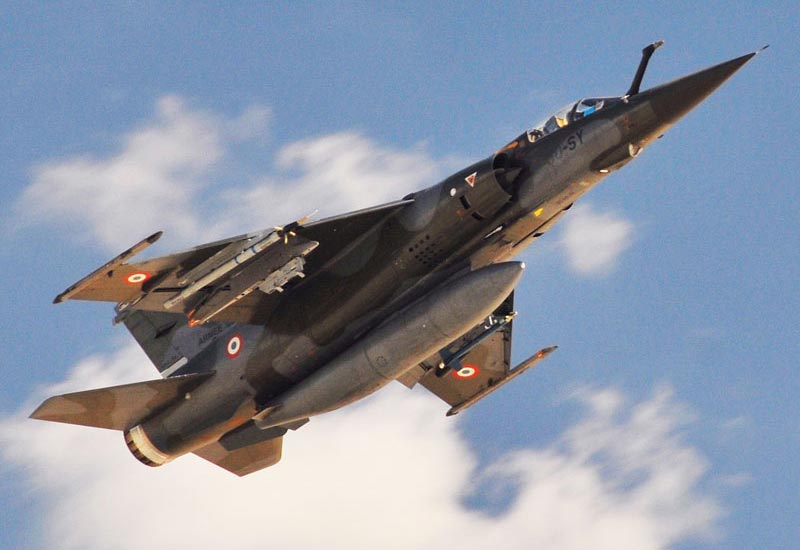
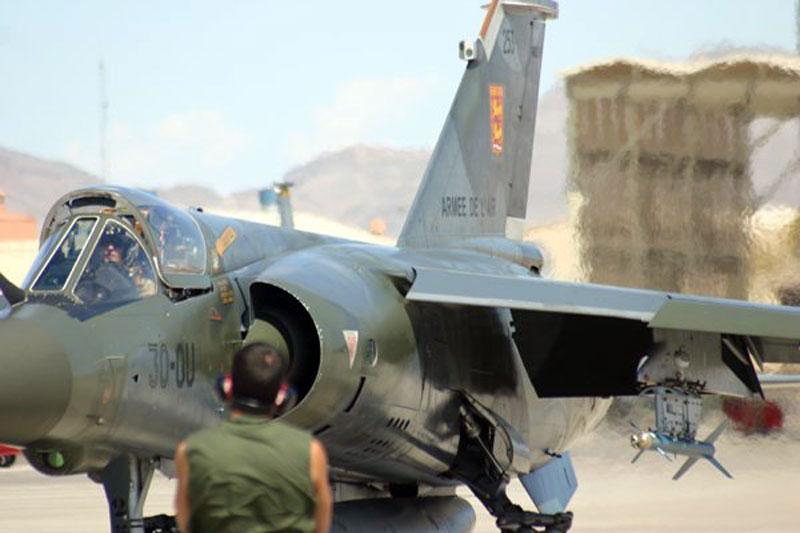
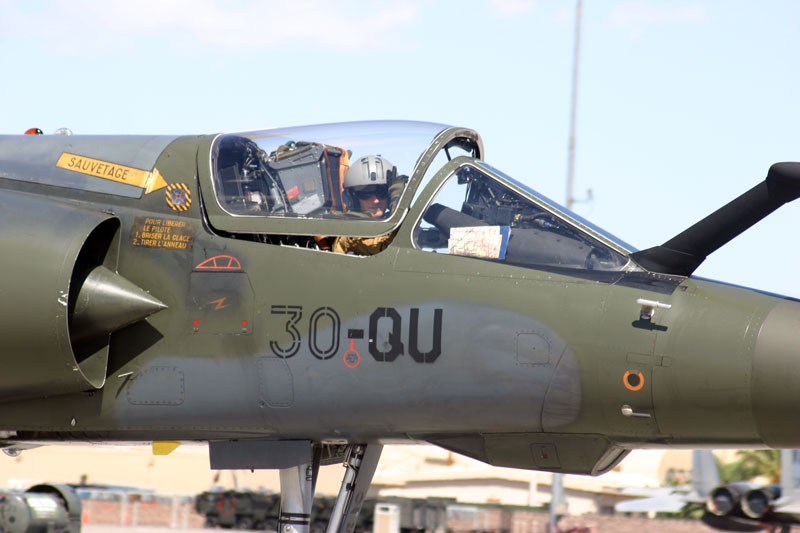
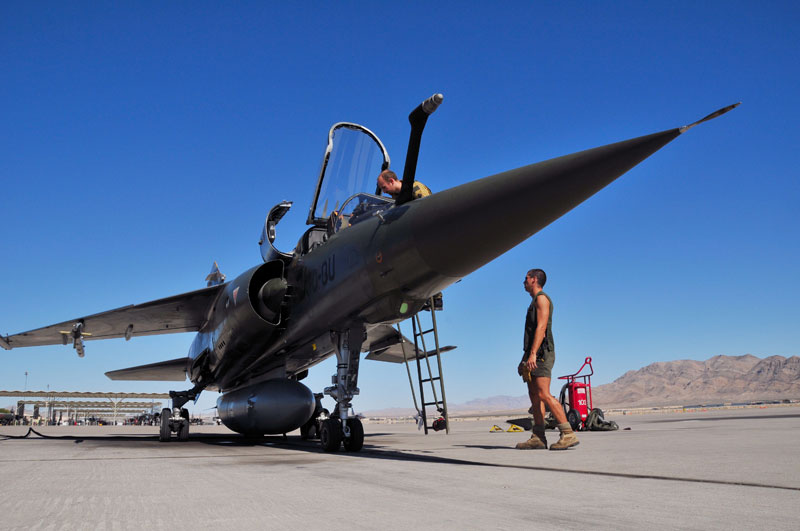
The Dassault Mirage F1 was designed to replace the successful Dassault Mirage III series. With a host of new features added to this new aircraft, the Mirage F1 would be a substantial upgrade to the whole Mirage family that would continue in service well into the new millennium. The Mirage F1 was built with capability and a multi-role perspective in mind. The aircraft was designed for high-speed handling with low or high-altitude performance, multi-faceted capabilities in the fighter or strike aircraft role and provide the pilot with some minor conveniences for long sorties requiring short turnaround times. The Mirage F1 served with distinction, particularly in the Greek Hellenic Air Force, where her arrival proved a deterrent to Turkish air space incursions for some 28 years. Over 720 Mirage F1 examples have been produced. The F1 remains one of the most battle-tested aircraft systems of the Cold War.

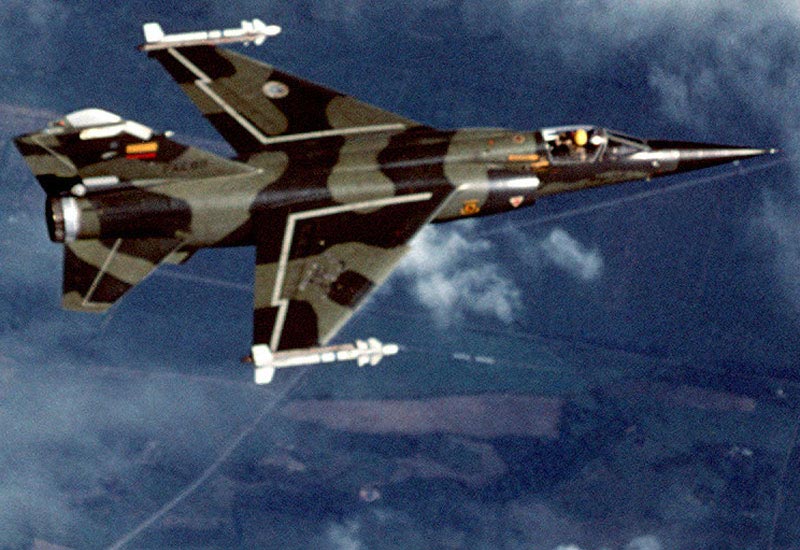
The F1 first flew in a Dassault-funded prototype form on December 23rd, 1966, intended as a replacement for the aging Mirage III and Mirage 5 models. Unlike previous Dassault offerings, the F1 did away with the traditional low-mounted, delta-wing configuration and instead was fitted with a high-mounted, swept wing arrangement. The French Air Force liked what it saw in the promising design and selected it for further development in the form of additional prototypes in May of 1967. The French Air Force envisioned the type as an all-weather interceptor capable of handling any of the new generation threats available. The resulting design proved a far better product than the aircraft the F1 was intended on replacing, sporting high-performance, sleek lines and a powerful Cyrano radar system. Production inevitably commenced and full operational status was achieved in May 1973.

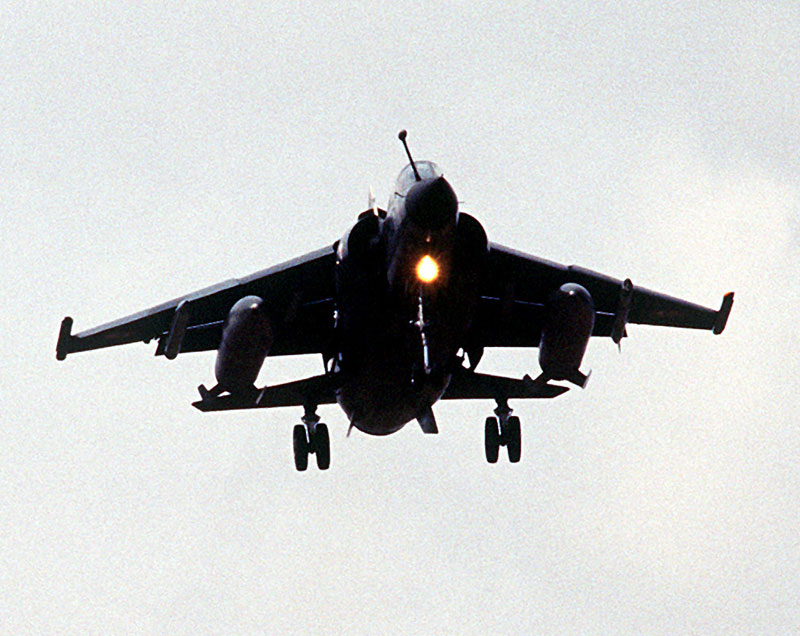
The single engine, high-mounted swept-wing aircraft was powered by a single SNECMA Atar 9K-50 afterburning turbojet 15,785lb engine fed by two side-mounted intakes. The F1 sported a single-seat cockpit positioned in the forward portion of the streamlined fuselage. Amenities such as a self-starter, shaded canopy glass and pressured refueling system provided operators of the aircraft with the advantage of a low maintenance, highly capable aircraft. Further developments (beginning with the Mirage F1C-200) went on to integrate an in-flight refueling probe to which the combat radius was increased substantially. The unique high-mounted swept-wing design coupled with the single vertical tail fin afforded the aircraft the ability to take off and land with a minimal use of runway.

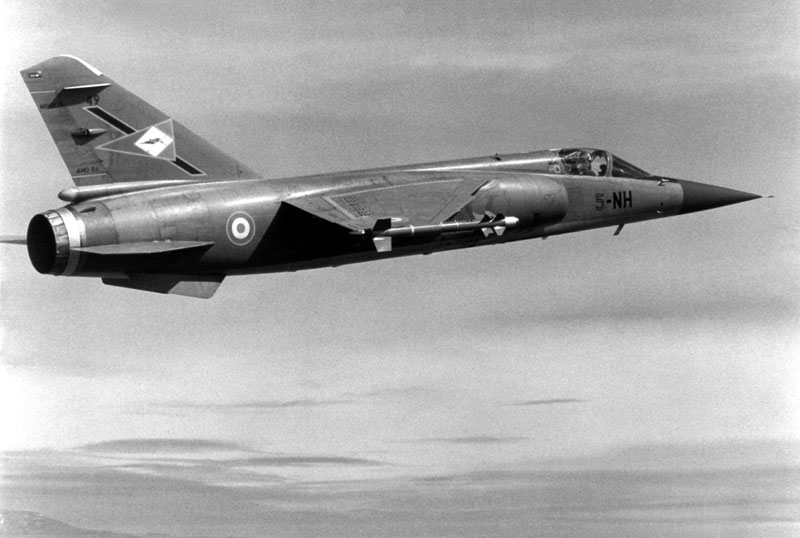
Standard armament were twin 30mm cannons along with 2 x Matra R530 series medium-range air-to-air missiles. Missiles were initially held under the wings though wingtip rails were later added for the use of Matra R550 Magic and AIM-9 Sidewinder short-range air-to-air missiles, the latter at the behest of the American-friendly Hellenic Air Force of Greece (operating Mirage F1CG models of their own).

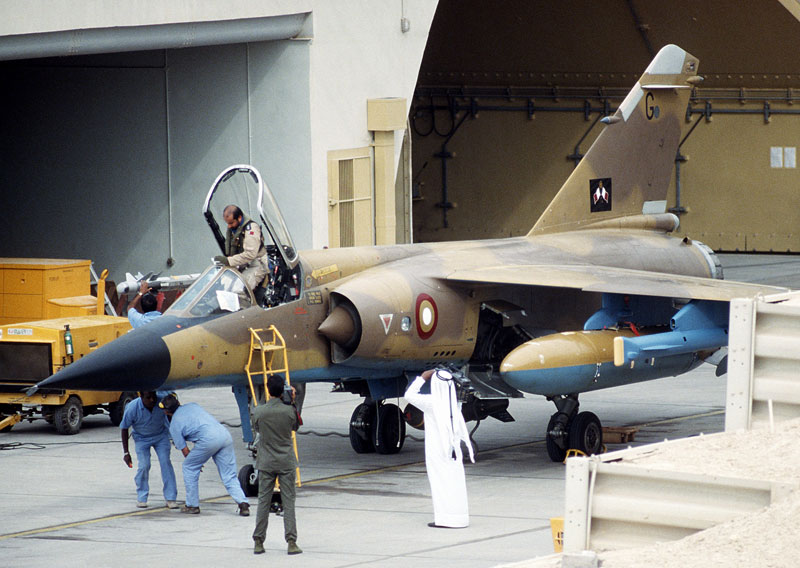
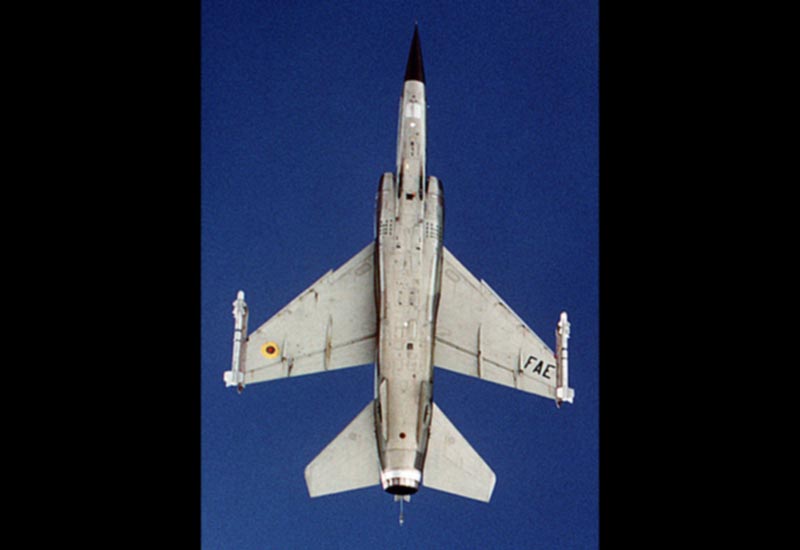
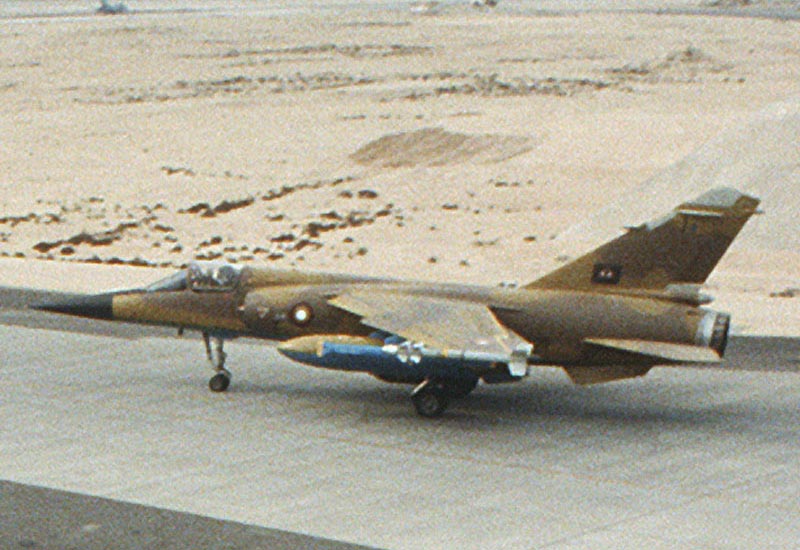
The base F1 fighter was exported as the F1CE (Spain), F1CG (Greece), F1CH (Morocco), F1CJ (Jordan), F1CK (Kuwait), F1CK-2 (Kuwait - follow-up order) and F1CZ (South Africa) with orders totaling some 175 exported aircraft. The two-seat F1B trainer was marketed overseas as well along with the F1A single-seat ground-attack fighter. The F1E became an all-weather, multi-role fighter and ground-attack variant. The Mirage F1D was a two-seat trainer spawned from the F1E multi-role, ground-attack fighter model. The Mirage F1CR was a dedicated reconnaissance model. The Mirage F1CT became a tactical ground attack variant based on the Mirage F1C-200. F1AZ and F1CZ were South African exports of ground-attack and radar-equipped models respectively. The Mirage F1CG were Greek-operated single-seat fighters, amounting over 100,000 thousand hours of flight time over water with little structural stress to show for it. The Mirage F1M-53 was a developmental Mirage F1 meant to compete in NATO trials for replacing the Lockheed F-104 Starfighters then in service (the General Dynamics F-16 Fighting Falcon eventually won out).

The aircraft became a highly regarded interceptor - one of the best at the time of its inception - based on capabilities and its powerful nose-mounted radar. The system could track and engage multiple targets at any altitude all at the discretion of the pilot. The integrated weapon system could go so far as to select the appropriate weapon based on circumstance and fire the weapon when the target achieved an in optimal range.

In terms of combat exposure (the sure testing grounds of any aircraft design) the F1 was at the fore-front of several Cold War-era conflicts the world over. Mirages participated with the South African Air Force in their Border War. Morocco utilized the type to combat local rebels. Ecuador fielded the aircraft in their Paquisha War and follow-up Cenepa War against Peru. France got a chance to check out the F1's lethality in its actions against Libyan rebels operating against Chad. Spain operated their F1's in varying forms for over three decades before replacing them with Eurofighter Typhoons.

Iraq was a highly-publicized user of F1's. They sported the type in their war with Iran with moderate success in anti-shipping, interception and strike roles. Overall, inferior pilot training and lack of combat experience led to the F1 underachieving for the most part. Similarly in the 1991 Gulf War, Mirage F1's were wholly outclassed by Coalition forces, though, again not due to a lack of capability on the part of the aircraft.

More recently (2007), France has fielded some F1's in actions covering Southern Afghanistan. As of this writing, Greece, Iraq, Kuwait, Qatar and South Africa no longer employ the services of Mirage F1's.

In the end, the F1 series proved a welcomed addition to the Mirage family line. Modernization programs and updates to the avionics and weapon systems have ensured that the Mirage F1 will stay airborne for several more years. Undoubtedly, the system will continue to see service in Third World countries far longer than that. The French Air Force operated F1's until their displacement by the newer Mirage 2000 series. A major consideration to the F1 as a whole is its longevity after decades of consistent (and heavy-duty) use - no doubt a testament to a winning design.
Text ©2003-2013 www.MilitaryFactory.com • All Rights Reserved • No Reproduction Permitted
MilitaryFactory.com does NOT sell equipment/weaponry. Material presented throughout this website is for historical and entertainment value and should not to be construed as usable for hardware restoration, maintenance or general operation. Please consult manufacturers for such information. Our disclaimer. Email corrections / Comments to MilitaryFactory at Gmail dot com.
Picture of Dassault Mirage F1
Pic of the Dassault Mirage F1
Image of the Dassault Mirage F1
View All Images (19)

Specifications for the
Dassault Mirage F1
Multirole Aircraft / Interceptor


Country of Origin: France
Manufacturer: Dassault - France
Initial Year of Service: 1973
Production: 750


Focus Model: Dassault Mirage F1
Crew: 1


Length: 50.20ft (15.3m)
Width: 27.56ft (8.40m)
Height: 14.76ft (4.50m)
Weight (Empty): 16,314lbs (7,400kg)
Weight (MTOW): 35,715lbs (16,200kg)


Powerplant: 1 x SNECMA Atar 9K-50 turbojet engine with afterburner generating 15,785lbs of thrust.


Maximum Speed: 1,453mph (2,338kmh; 1,262kts)
Maximum Range: 559miles (900km)
Service Ceiling: 65,643ft (20,008m; 12.4miles)
Rate-of-Climb: 41,931 feet per minute (12,781m/min)


Hardpoints: 7 (including wingtip mounts)
Armament Suite:
STANDARD:
2 x 30mm cannons

Mission-specific ordnance can include any of the following limited up to 8,818lbs:

AIM-9 Sidewinder infrared air-to-air missile(wingtip mounted).
Magic infrared air-to-air missile (wingtip mounted).
R.530 radar-guided air-to-air missiles
Super 530F radar-guided air-to-air missiles
Rocket-Launching Pods
Conventional Bombs
Exocet air-to-surface missiles
Armat anti-radiation air-to-surface missile


Variants:
F1 - Base Model Series Designation


F2 - Two-Seat Strike Fighter; program eventually cancelled in first year of side-by-side development with the F1.

F1A - Clear-Weather Ground Attack Production Model.

F1AD - Libyan Export Model of the F1A

F1AZ - South African Export Model of the F1A; ground attack version.

F1B - Two-Seat Conversion Trainer

F1BE - Spanish Export Model of the F1B

F1BJ - Greece Export Model of the F1B

F1BK - Kuwaiti Export Model of the F1B

F1BK-2 - Follow-up Kuwaiti Export Models of the F1B.

F1BQ - Iraqi Export Model of the F1B.

F1C - All-Weather Multi-role Interceptor with Strike Capabilities.

F1CE - Spanish Export Model of the F1C

F1CG - Greece Export Model of the F1C; 4 x AIM-9P capability.

F1CH - Morocco Export Model of the F1C

F1CJ - Jordanian Export Model of the F1C

F1CK - Kuwaiti Export Model of the F1C

F1CT - F1C-200 Models that have been updated to F1E standard; tactical ground attack.

F1CZ - South African Export Model of the F1C; radar-equipped.

F1C-200 - Long-Range Model of the F1C model; fixed refueling probe; extended fuselage.

F1CR-200 - Long-Range Reconnaissance Model.

F1D - Two-Seat Conversion Trainer

F1JE - Ecuador Export Model of the F1D

F1DD - Libyan Export Model of the F1D

F1DDA - Qatar Export Model of the F1D

F1E - Single Seat Multi-Role / Ground Attack Model for export.

F1ED - Libyan Export Model of the F1E

F1EE - Spanish Export Model of the F1E

F1EH - Morocco Export Model of the F1E

F1EH-200 - Morocco Export Model of the F1E; refueling probe.

F1EJ - Jordanian Export Model of the F1E

F1EQ - Iraqi Export Model of the F1E

F1EQ-2 - Iraqi Export Model of the F1E; air defense version.

F1EQ-4 - Iraqi Export Model of the F1E - Multi-role / Ground Attack / Reconnaissance version.

F1EQ-5 - Iraqi Export Model of the F1E; anti-ship version.

F1EQ-6 - Iraqi Export Model of the F1E; anti-ship version.

F1EDA - Qatar Export Model of the F1E

F1JA - Ecuadorian Export Model of the F1E


Operators:
Ecuador; France; Gabon; Iran; Iraq; Jordan; Kuwait; Libya; Morocco; Spain; Greece; Qatar; South Africa

ALL AIRCRAFT CATEGORIES

BY DECADE:


1900 to 1909
1910 to 1919
1920 to 1929
1930 to 1939
1940 to 1949
1950 to 1959
1960 to 1969
1970 to 1979
1980 to 1989
1990 to 1999
2000 to 2009
2010 to 2019
2020 to 2029
VIEW ALL
Compare Aircraft


BY TYPE:


Anti-Submarine Warfare (ASW)
Attack Helicopters
Bomber Aircraft
Medium Bombers
Heavy Bombers
Close-Air Support (CAS)
Commercial Aircraft
Dive Bombers
Electronic Warfare Aircraft (EWA)
Experimental / X-Planes
Fighter Aircraft
Floatplane Aircraft
Flying Boat Aircraft
Aerial Refueling Tankers
Helicopters (ALL)
Interceptor Aircraft
Multi-Role Aircraft
Navy Carrier Aircraft
Night Fighters
Reconnaissance / Scout
Search & Rescue (SAR)
Scout Helicopters
Special Purpose
Torpedo Bombers
Trainer Aircraft
Transport Aircraft
Transport Helicopters
Unmanned Aerial Vehicles (UAVs)
Unmanned Combat Air Vehicles (UCAVs)


COLLECTIONS:


4th Generation Fighter Aircraft
5th Generation Fighter Aircraft
US X-Planes
Classic US Warbirds
French Military Helicopters
Grumman "Cats"
Howard Hughes Aircraft
Indian Air Force
Israeli Air Force
Libyan Aircraft
Modern Chinese Aircraft
Modern Chinese Fighters
Modern Military Aircraft
Modern North Korean Aircraft
Modern Trainer Aircraft
Modern US Aircraft
Mikoyan Aircraft
Sukhoi Aircraft
Syrian Aircraft
Top 10 Fighter Aircraft of All Time


AIRCRAFT BY CONFLICT:


Arab-Israeli War (1948)
Cuban Missile Crisis (1959-1962)
Falklands War (1982)
Indo-Pak War (1965, 1971)
Iran-Iraq War (1980-1988)
Lebanon War (1982)
Operation Allied Force (1999)
Operation Desert Storm (1991)
Six Day War (1967)
Spanish Civil War (1936)
Soviet-Afghan War (1979-1989)
Yom Kippur War (1973)


MISCELLANEOUS:


Aircraft Cockpits
Aircraft Manufacturers List
Aircraft Production
Aircraft Timeline

WORLD WAR 2:


1939 Aircraft
1940 Aircraft
1941 Aircraft
1942 Aircraft
1943 Aircraft
1944 Aircraft
1945 Aircraft
1946 Aircraft
Australian Aircraft
Battle of Britain Aircraft
Bombers
Four-Engine Bombers
British Aircraft
British Bombers
British Transports
Dive Bombers
Canadian Aircraft
Fighters
Chinese Aircraft
French Aircraft
German Aircraft
German Fighters
German Flying Boats
German Jets
Secret Weapons of the Luftwaffe
Italian Aircraft
Imperial Japanese Aircraft
Imperial Japanese Fighters
Mitsubishi Bombers
Navy Aircraft
Pearl Harbor
Polish Aircraft
Romanian Aircraft
US Aircraft
US Bombers
US Navy Aircraft
Soviet Aircraft
Torpedo Bombers
Trainer Aircraft
Transport Aircraft
Tuskegee Airmen Aircraft
W.A.S.P. Aircraft
WW2 Aircraft Ranked by Speed
VIEW ALL


WORLD WAR 1:


1914 Aircraft
1915 Aircraft
1916 Aircraft
1917 Aircraft
1918 Aircraft
Aircraft Timeline
Austro-Hungarian Aircraft
Bomber Aircraft
British Aircraft
Fighters
Flying Boats
French Aircraft
Imperial German Aircraft
Italian Aircraft
Scout Aircraft
Russian Empire Aircraft
US Aircraft
WW1 Aircraft Ranked by Speed
VIEW ALL


KOREAN WAR:


Australian Aircraft
Korean War Aces
Korean War Jets
North Korean Aircraft
US Military Aircraft
VIEW ALL


VIETNAM WAR:


Helicopters (ALL)
Transport Helicopters
North Vietnam Air Force
US Airpower
VIEW ALL


COLD WAR:


1950s French Aircraft
British V-Bombers
Cold War Bombers
Soviet Aircraft
Soviet Bombers
Soviet Interceptors
Soviet Helicopters
Strategic Air Command
US Aircraft
US Bombers
US Interceptors
VIEW ALL

Site Disclaimer | Privacy Policy | Site Map | MF Origins


©2013 www.MilitaryFactory.com • Content ©2003-2013 MilitaryFactory.com • All Rights Reserved • Site Contact Email: militaryfactory at gmail dot com. The "Military Factory" name and MilitaryFactory.com logo are registered ® trademarks and protected by all applicable domestic and international intellectual property laws.


Top MF Stuff: 2013 Military Pay Scale | Military Ranks | WW2 Weapons | Sniper Rifles | Kts to Mph | WW1 Aircraft | Automatic Rifles | Aircraft Cockpits | Vietnam War Weapons | Main Battle Tanks | Submachine Guns | Shotguns | French Military Victories


Most photographic images appearing on this site are courtesy of the United States Department of Defense and are approved for public use. Other images acquired through the public domain. Digital art work courtesy of Dan Alex. Business Consulting by Kyle Williams. Material presented throughout this website is for historical and entertainment value and should not to be construed as usable for hardware restoration, maintenance or general operation. Please consult manufacturers for such information.


eXTReMe Tracker