Fokker Dr.I (Dreidecker) Triplane
With the three wing setup inducing substantial drag, the Dr.I was slower than her contemporaries but made up for it in manueverability and rate of climb.
By Staff Writer
The Fokker Dr.I ("Dr" for "Dreidecker" meaning "triplane") series is most closely associated with Manfred von Richthofen (aka "the Red Baron") as the triplane aircraft was his chosen mount in the final months of his life, accounting for his last 20 kills. Designed to match the Sopwith Triplane and appearing by October of 1917, the Dr.I was a capable aircraft made more so by the pilots that flew her than the unique three-wing design. In the end, the system was limited in production quantity and saw a career spanning just the final year of the conflict, which by 1918, was being used as a defensive system over Germany.
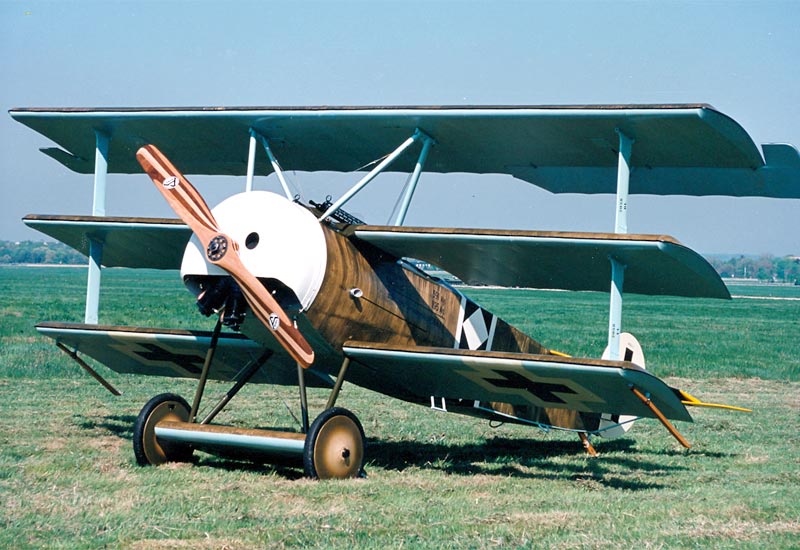
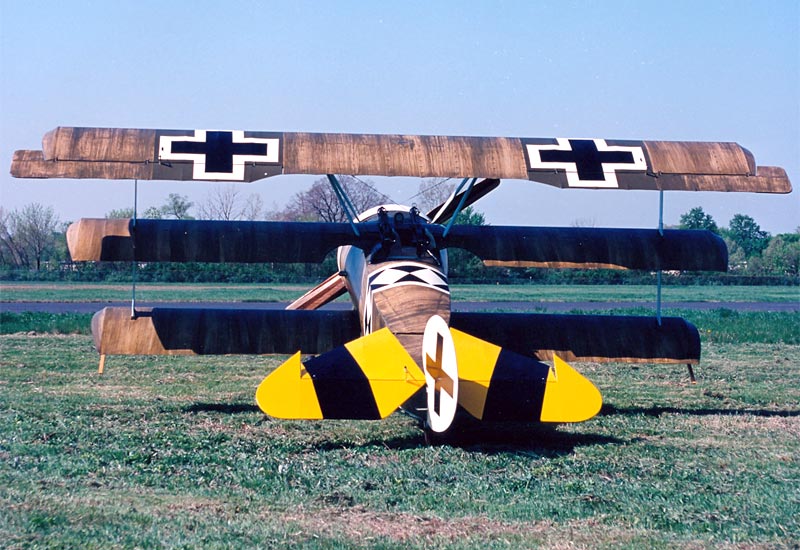
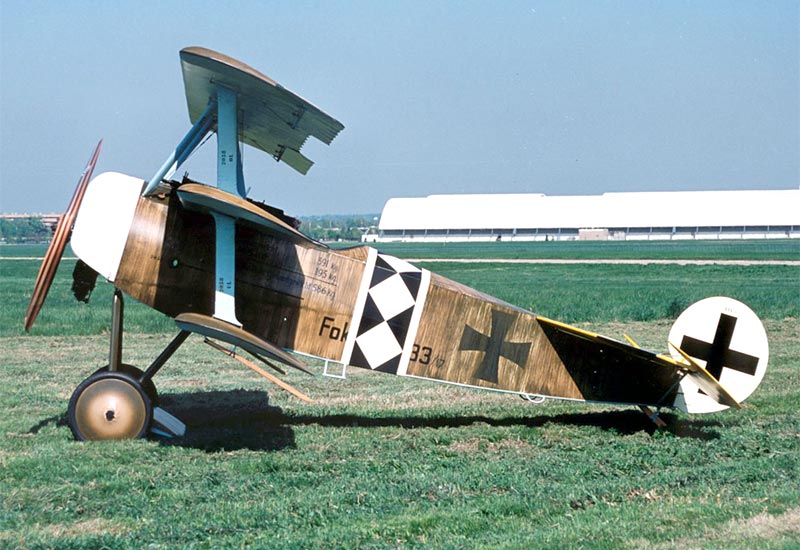
Obviously the most identifying feature of the type was the three wing design made popular by the Sopwith Triplane - and proved itself a worthy design overall. Though inducing drag (which in turn caused a decrease in overall speed) the arrangement made for a highly maneuverable aircraft, quick to turn, and offered up a tremendous rate of climb while delivering in a steady dive. Overall the design was typical, featuring the pilot sitting in an open cockpit seated just behind the large wing structures. The undercarriage was fixed and dominated by two large wheels with a tail skid at the rear. Armament consisted of twin Spandau machine guns of 7.92mm caliber firing forward through the synchronized propeller system. The Dr.I was also one of the last aircraft types to feature a rotary piston engine in the Oberursel Ur.II 9-cylinder series.
The initial 100 Dr.I's on order were delivered to Richthofen's fighter squadron in October of 1917 after combat evaluation. By the end of that month, it soon became apparent that there was trouble in the assembly of the wings to the point that some Fokker Dr.I's had broken up in mid-flight resulting in several fatal crashes. This, of course, forced the entire type to be grounded upon further review by an authorized crash commission. The resulting verdict was found to be in the construction of the wings. With adjustments made along the production lines at Fokker, the Dr.I was given the green light back into the air by end of November with all Dr.I wings checked and repaired/replaced if necessary. This setback no doubt attributed to the low production numbers overall, numbering just some 320 examples by the time the lines closed in May of 1918. By then, the fine machine was highly outclassed by her rivals and gradually disappeared into aviation history.
Text ©2003-2010 www.MilitaryFactory.com • All Rights Reserved •
No Reproduction Without Permission • Corrections / Comments to MilitaryFactory at Gmail dot com
Last Revision: 8/22/2008 • Special Thanks to Mark C.
|