|
|
| |
|
de Havilland Canada DHC-4 Caribou
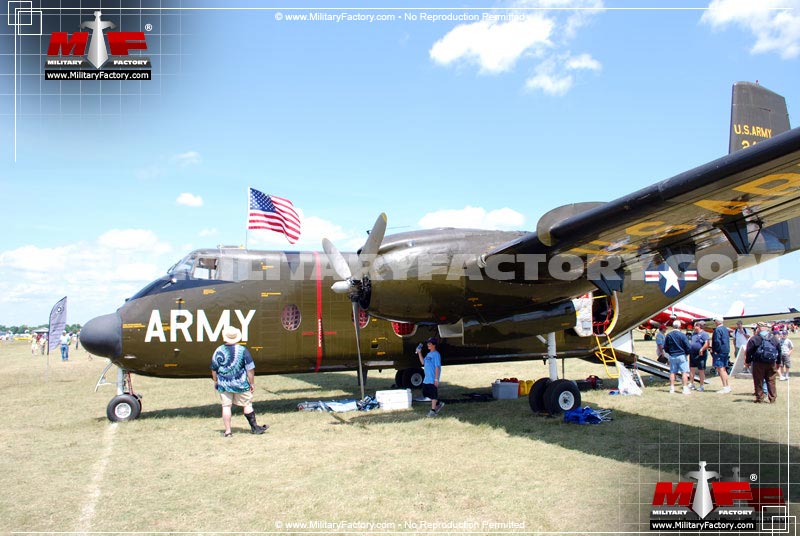
The US military was the primary user of the Caribou aircraft, which served with distinction in the Vietnam War.
By Staff Writer
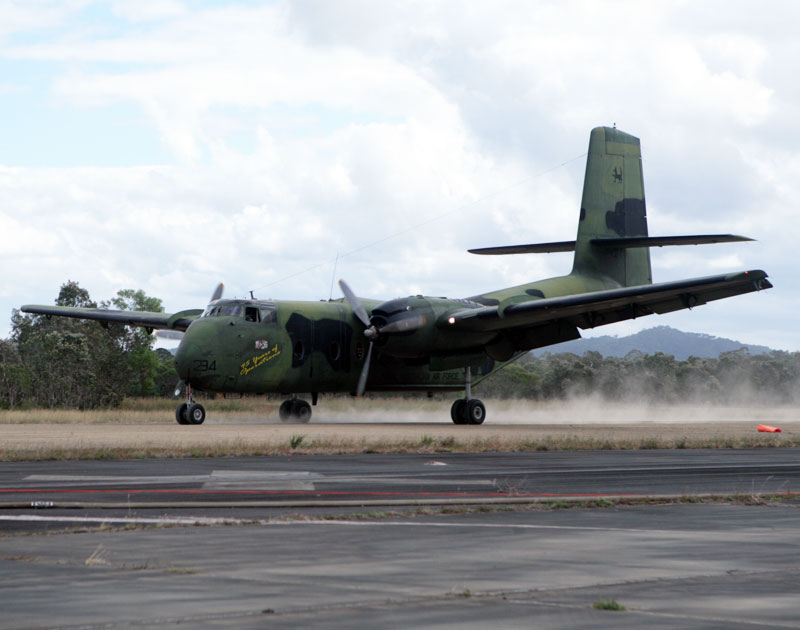
The Caribou series proved to be such an effective battlefield transport aircraft that more than a few were pressed into service as captured C-7's in the hands of the North Vietnamese. The type continues to serve in limited numbers and was seen in action as recent as 2000 with Australian forces in East Timor. By 1973, the Caribou series would see over 300 examples produced.
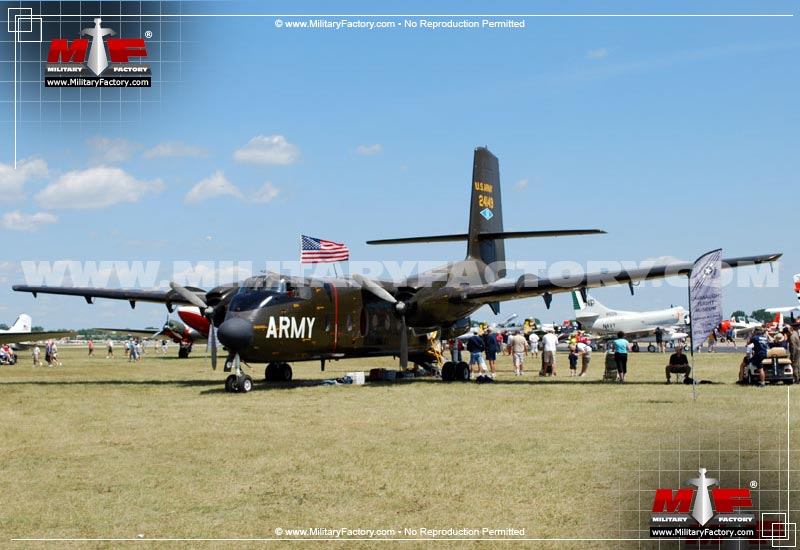
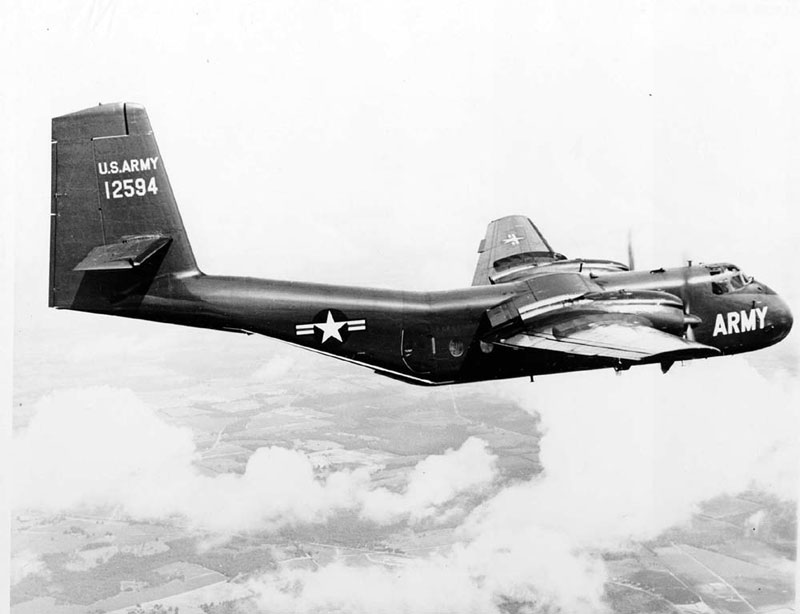
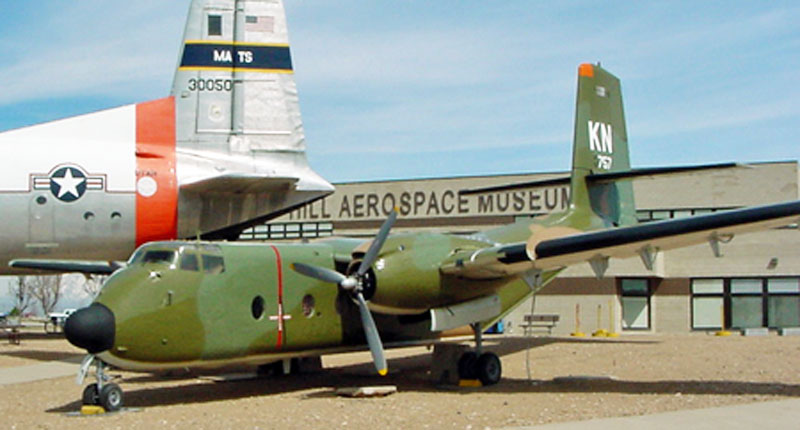
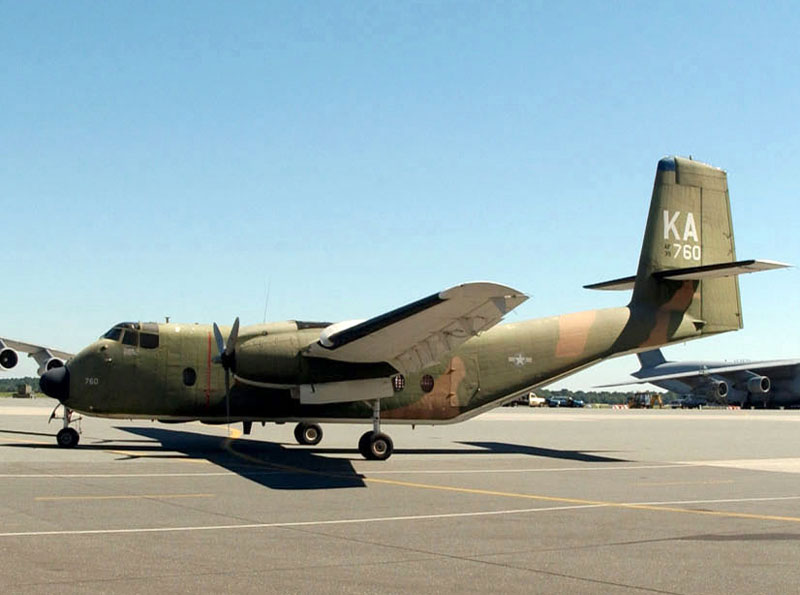
The Caribou was a twin-engine design undertaken by de Havilland Canada as a private project with hopes of enticing the military forces of both Canada and the United States of America. The initial design was designated as the DHC-4 and was engineered with short take-off and landing (STOL) capabilities in mind and was a naturally rugged design to boot, making most enticing to the United States Army, which went on to order five evaluation models as the YAC-1. From there, the Caribou emerged as a production model in the AC-1 series which would later become the CV-2. By the time the United States Air Force took over control of the Caribou aircraft in early 1967, the designation was changed once again to the more identifiable C-7 series.
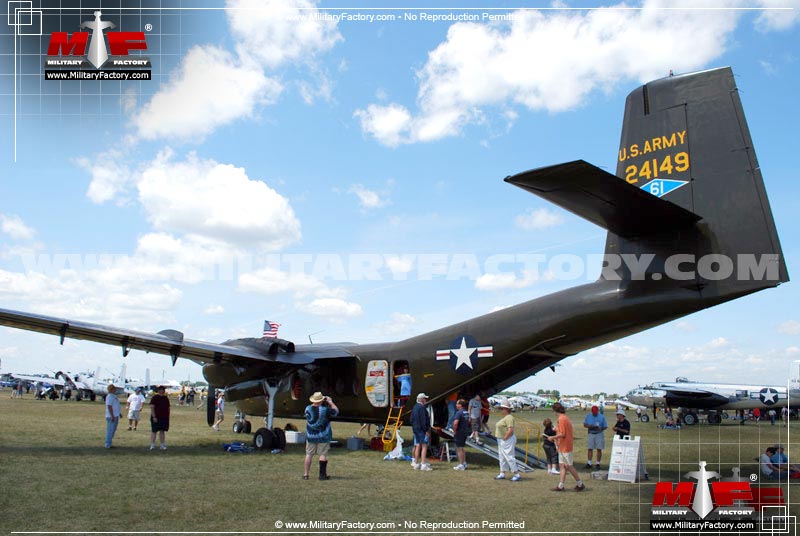
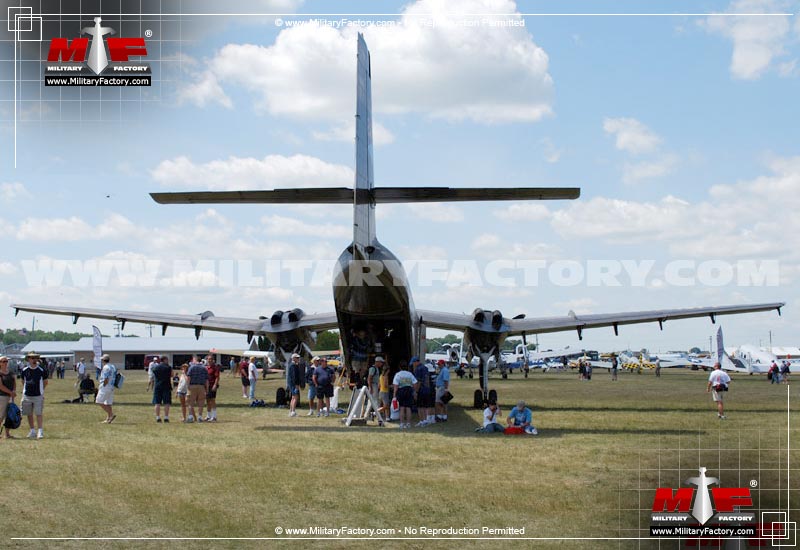
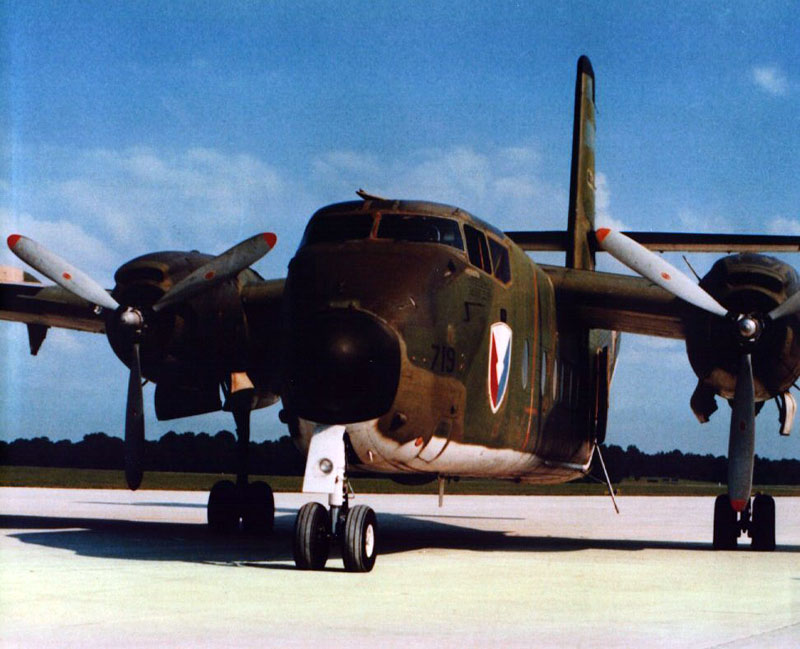
At its core, the Caribou was powered by two Pratt & Whitney brand engines generating 1,450shp (DHC-4). Engines were mounted on a high-wing / straight-wing monoplane assembly allowing for optimal ground clearance around the fuselage and especially the three-bladed propeller systems. A large cargo hold door was mounted to the rear part of the main fuselage with the single-rudder tail assembly extending past and over the loading area door. Hold capabilities were very generous and could allow for the transport of 32 troops, 22 medevac litters, 2 vehicles or up to 4 tons of cargo in the form of equipment, supplies or artillery systems.
In the end, the United States became the largest operator of the Caribou system in operation with both the United States Army and the United States Air Force. Australia also operated (and in some cases continues to do so) the type along with Canada, Spain, Columbia and India among others. The system proved quite capable in the rugged Vietnamese battlefront and was a highly prized vehicle for having the ability to land on short airstrips to deliver supplies / manpower and retrieve the wounded.
Text ©2003-2009 www.MilitaryFactory.com • All Rights Reserved •
No Reproduction Without Permission • Corrections / Comments to MilitaryFactory at Gmail dot com
Last Revision: 9/22/2009
|
| |
|
|
| |
| Specifications for the de Havilland Canada DHC-4A Caribou |
Dimensions: |
Length: 72.60ft (22.13m)
Width:95.64ft (29.15m)
Height: 31.76ft (9.68m)
|
Performance: |
About MACH |
Max Speed: 216mph (347kmh; 187kts)
Max Range: 1,308miles (2,105km)
Rate-of-Climb: 1,355ft/min (413m/min)
Service Ceiling: 24,800ft (7,559m; 4.7miles)
|
|
Structure: |
Accommodation: 3 + 32
Hardpoints: 0
Empty Weight: 18,283lbs (8,293kg)
MTOW: 31,295lbs (14,195kg)
|
Powerplant: |
| Engine(s): 2 x Pratt & Whitney R-2000-7M2 14-cylinder twin row radial piston engines generating 1,450shp. |
|
Armament Suite: |
|
None.
|
|
|
| Pictures of the de Havilland Canada DHC-4 Caribou |
|
| Special Aircraft Collections |
|
|
| Recent Military Aircraft Additions |
|
| Contacting MilitaryFactory.com |
| We can only get better if you tell us how. You can contact MilitaryFactory.com at MilitaryFactory at gmail dot com (replace "at" with "@" and "dot with ".") with any questions, comments or corrections. We also accept related military imagery that you approve for us to use on our website. Keep in mind, however, that due to volume, we may not directly respond to your inquiry. Please add us to your list of non-blocked recipients! |
|
|

Aircraft Quick Profile |

Image courtesy of Dan Alex.
|
 |
 |
| 1959 |
Designation: de Havilland Canada DHC-4 Caribou
Classification Type: Tactical Transport Aircraft
Contractor: de Havilland Aircraft of Canada, LTD - Canada
Country of Origin: Canada
Production Total: 307 |
 |
|
Operators: Australia; Costa Rica; Liberia; Malaysia; Canada; Columbia; India; Spain; Tanzania; North Vietnam; United States
|
|
|
|
| Variants |
YAC-1 - US Army Evaluation Model Designation of which 5 examples were ordered.
AC-1A - Initial Production Model Designation later changed to CV-2B, then to C-7A.
CV-2B - US Army Series Designation
C-7A - US Air Force Series Designation
DHC-4A - Australian Base Model Series Designation.
|
|
|