Military Factory
Military Pay Chart
Global Firepower
Military Industrial Complex
Second World War
Home
Military Pay Scale
Military Ranks
Small Arms
Aircraft
Land Systems
Navy
Education
Military Factory Facebook Logo
flag of United States

Curtiss P-36 Hawk (Hawk 75 / Mohawk) Fighter (1938)

Authored By Staff Writer | Last Updated: 1/25/2012

The P-36 was a widely operated fighter type before and during World War 2.

Find a School Near You
Follow Military Factory on Facebook:
Trending on Military Factory:
Recent Articles:
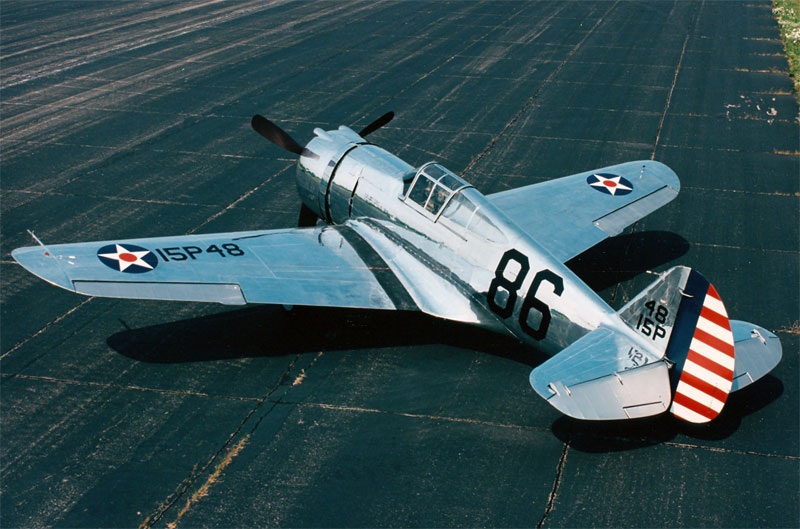
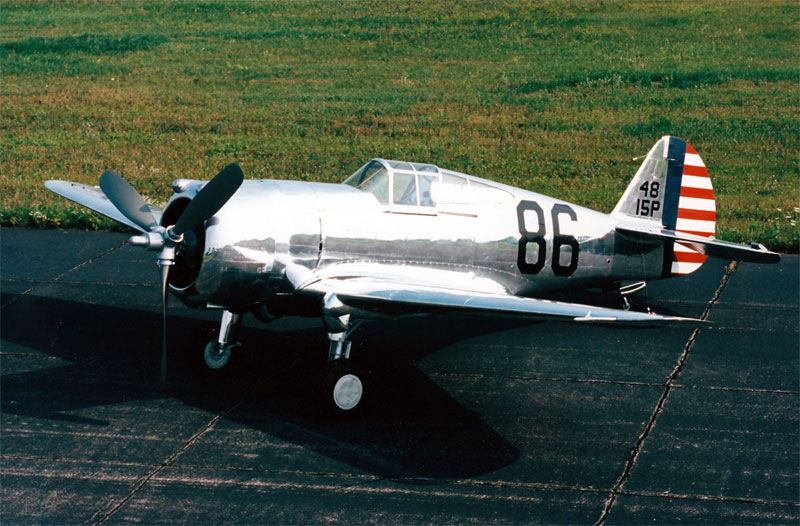
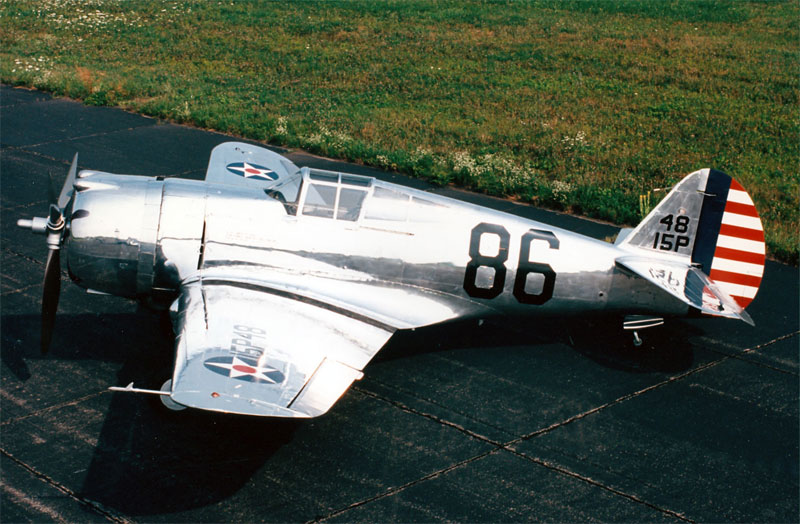
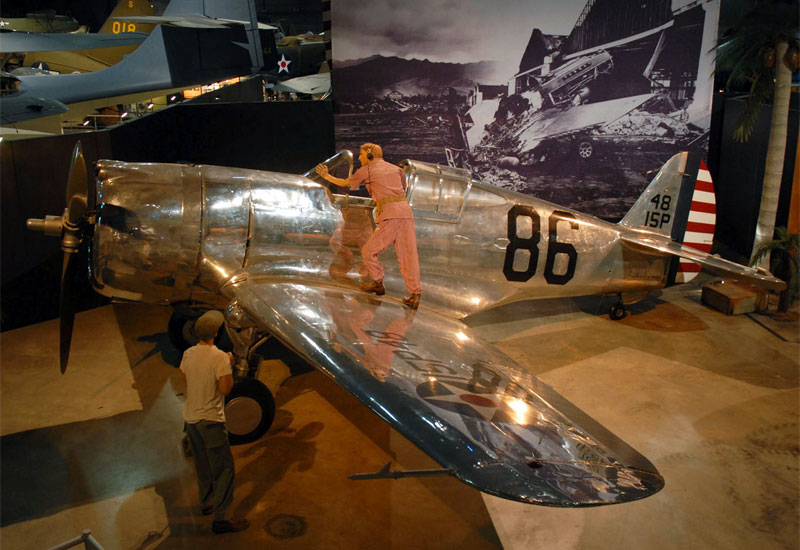
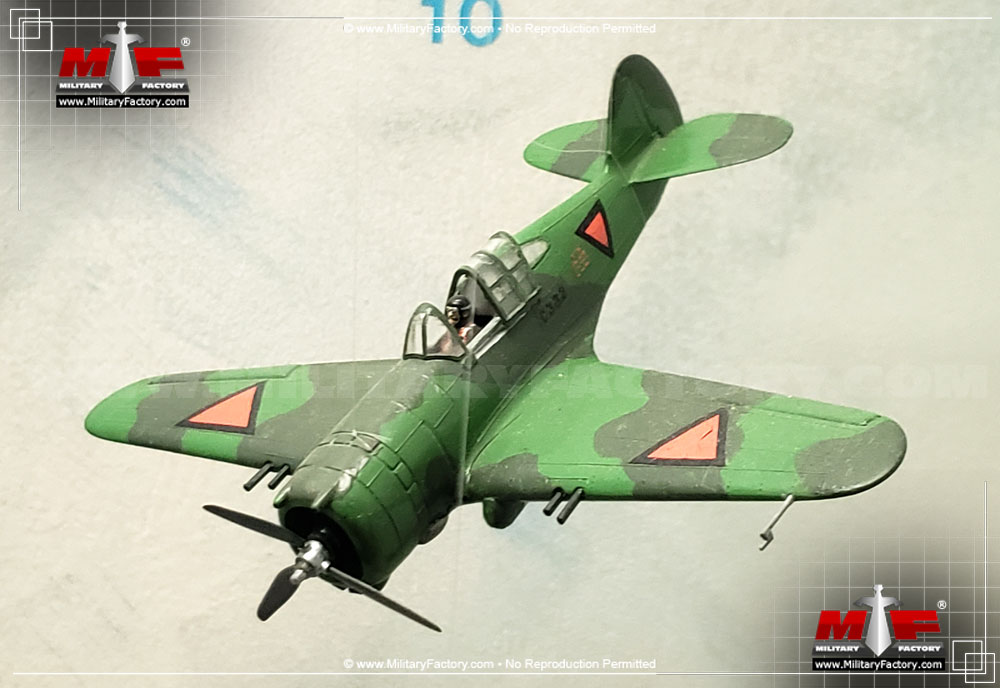
The Curtiss P-36 Hawk aircraft saw considerable operational service in the years leading up to, and during, World War 2. Its basic appearance was not unlike Curtiss' more famous product - the P-40 Warhawk - and sported a heavily framed canopy and raise fuselage spine. Though not an overly impressive aircraft by any stretch, the P-36 Hawk nonetheless was a serviceable mount that could - at the very least - help national air forces compete against the likes of the Axis powers. Donovan Berlin was attributed with the design of the aircraft and a first flight was achieved on May 6th, 1935. The aircraft was formally introduced into service in 1938 and it was not - amazingly - fully retired until 1954, this with Argentina. Despite the 215 or so P-36s produced for the United States Army Air Corps (USAAC), the Hawk made more of a splash in foreign hands (as the Hawk 75 and Mohawk) which accounted for 900 examples.

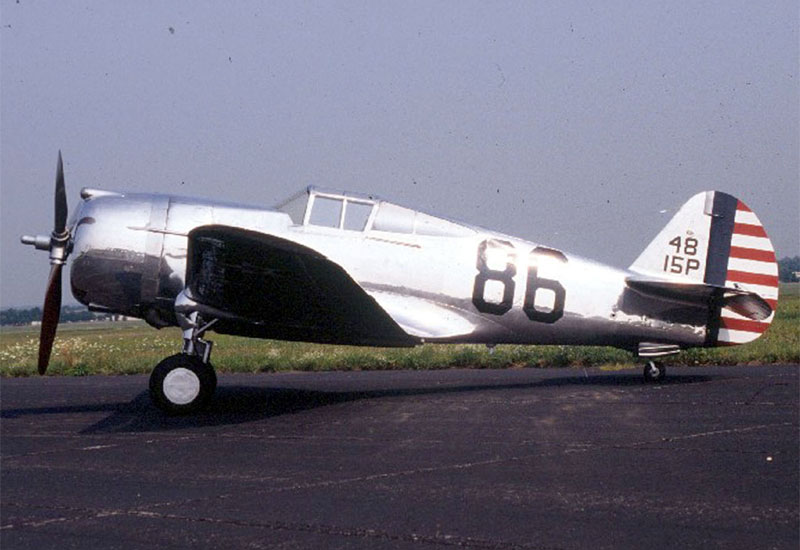
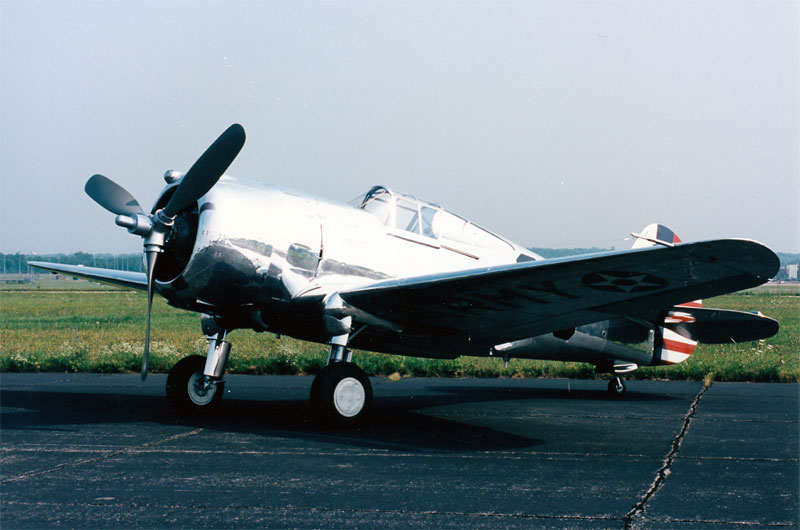
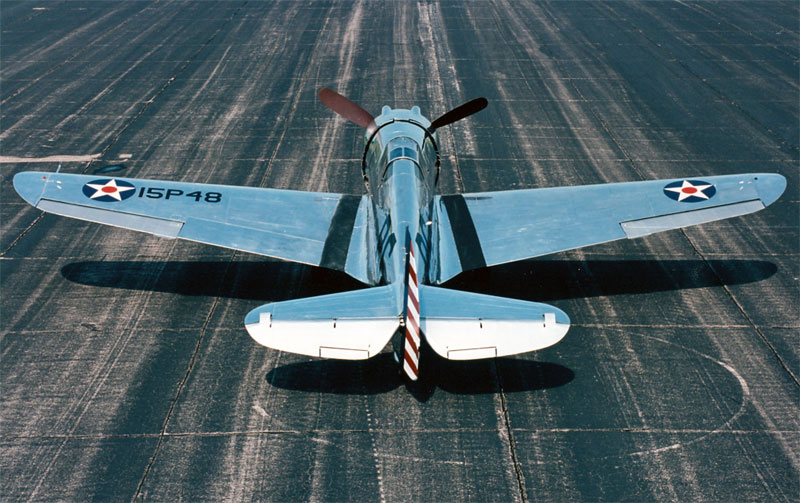
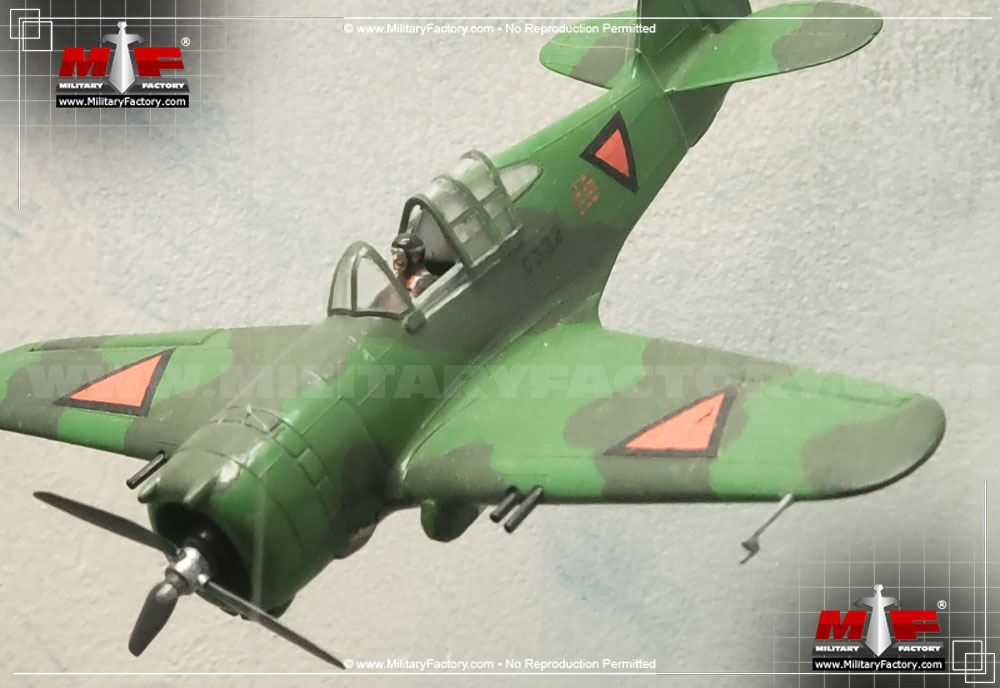
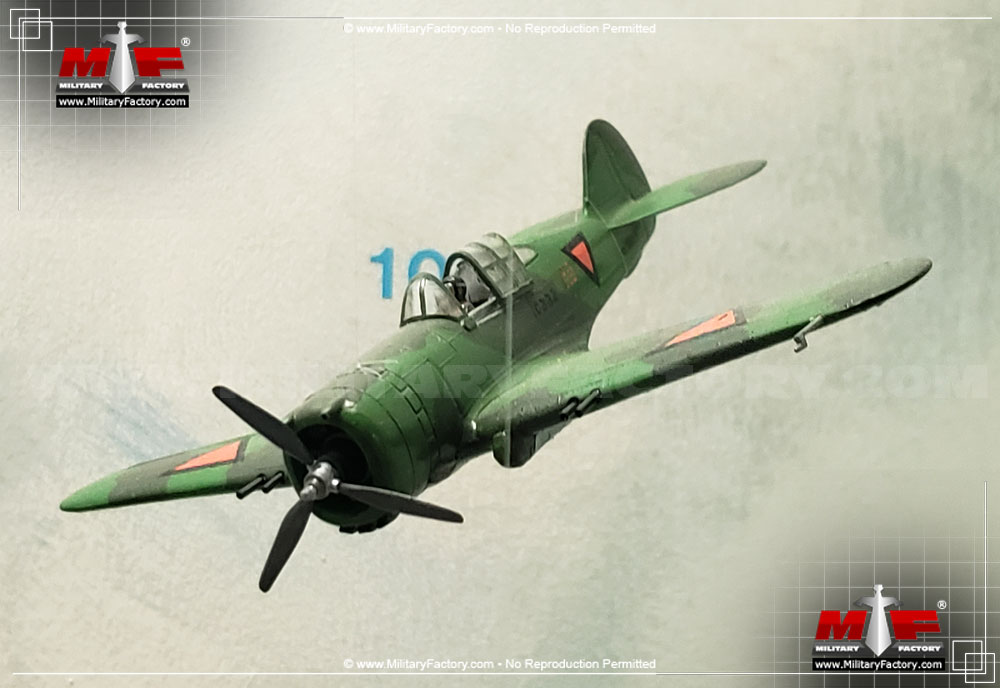
Design of the P-36 was conventional though it did promote several rather evolutionary features for its time including an enclosed cockpit and a powered, fully-retractable undercarriage. The engine was traditional mounted at the front of the fuselage and powered a three-blade propeller assembly. The fuselage was tubular and tapered at the rear. The wings were low-mounted and straight in their design with rounded wing tips. The cockpit was set above and behind the wing assemblies and offered up adequate views. The fuselage spine was raised, however, which made a clear view to the "six" nearly impossible. The canopy was also heavily framed in true 1930s fashion. The empennage consisted of a single, rounded vertical tail fin and applicable rounded horizontal planes. The undercarriage was conventional with two single-wheeled main landing gear legs and a small tail wheel for ground maneuvering.

Basic armament was rather weak by comparison to other American warplanes of the war, consisting of a 1 x 0.50 caliber M2 Browning heavy machine gun and 1 x 0.30 caliber M1919 Browning general purpose machine gun. Later production versions featured 2 x 0.50 caliber heavy machine guns in the engine cowl synchronized to fire through the spinning propeller blades. This was further supplemented by the addition of 2 or 4 x 0.30 caliber machine guns in the wings. Still later production models were given provision for 2 x underwing drop bombs (100lbs each) or 3 x 50lb bombs or 5 x 30lb bombs allowing pilots to undertake strike missions with their fighter.

Power for the P-36A production model was provided for by a single Pratt & Whitney R-1830-17 Twin Wasp air-cooled radial piston engine of 1,050 horsepower. Radial piston engines in the war gave good performance while being able to withstand much more punishment than their sexier liquid-cooled brethren. Performance specifications included a top speed of 313 miles per hour with a range of 625 miles and a service ceiling of approximately 32,700 feet. Rate of climb was 3,400 feet per minute.

The P-36 was original born as the Curtiss company Model 75A which was used to demonstrate the design's viability as well as evaluate various available powerplants. The Model 75B was similar in scope and mounted a Wright R-1820 radial piston engine. The Model 75D was completed with a Wright Whirlwind R-1670 series radial piston engine. The Model 75H designation was a Curtiss marker for export versions and these were heavily simplified in their construction, featuring a fixed undercarriage, and only two were produced. A supercharger was tested in the Model 75J while the Model 75R was evaluated with a turbo-supercharger but never furthered. The Model 75K was a proposed evaluation model intended to fit a Pratt & Whitney R-2180 Twin Hornet radial piston engine but was never constructed. The Model 75P was to be the official P-36 production model and finished with an Allison V-1710 liquid-cooled engine but this went on to become the P-40 Warhawk.

The US Army Air Corps finally received their prototype as the Y1P-36 which was the Model 75E in Curtiss company nomenclature. This prototype was completed with a Pratt & Whitney R-1830 series engine. The initial production version of the P-36 therefore became the P-36A (Model 75L) for the USAAC and delivered with 4 x 0.30 caliber machine guns in the wing. A one-off model then followed as the P-36B which was essentially the P-36A fitted with a Pratt & Whitney R-1830-25 radial engine of 1,100 horsepower. After testing, this model was reverted back to P-36A form. The P-36C saw an additional pair of 0.30 machine guns added one to a wing to help increase overall firepower as well as a Pratt & Whitney R-1830-17 series radial of 1,200 horsepower. However, since the original wing design lacked the internal spacing for additional ammunition, boxes were installed under the wings.

Several experimental mounts existed but never saw serial production. These included the XP-36D with its 2 x 0.50 caliber machine guns in the nose and 4 x 0.30 caliber machine guns in the wings, the XP-36E and up to 8 x 0.30 caliber machine guns and the XP-36F which attempted to fit 2 x 23mm Madsen cannons under the wings. The latter version, while vastly improved in firepower, was dropped from contention for the weight gain of the cannon armament proved detrimental to the P-36 airframe. The XP-37 was given an Allison V-1710 inline piston engine and saw its cockpit moved further aft. The XP-37 was further developed into 13 examples of the YP-37 for testing. The XP-42 (Model 75S) was an experimental model with a specially devised aerodynamic engine cowling.

Export Hawks were known as the Hawk 75. The initial production order for France became Hawk 75A-1 models and were delivered with R-1830-SC-6 radials of 900 horsepower. Armament was 4 x 7.5mm machine guns and approximately 100 were produced. The Hawk 75A-2 were similar though mounting R-1830-SC-G/R-1830-SC3-G radials of 1,050 horsepower and 6 x 7.5mm machine guns. Again some 100 of the type were produced. The Hawk 75A-3 were built in 135 examples and were generally similar to the preceding A-2 models. The Hawk 75A-4 were similar to the A-2 models but delivered with the Wright R-1820-G205A Cyclone radial engine instead. These outputted at 1,200 horsepower and a total of 285 were contracts. Only 81 of these eventually made it to French forces. The Hawk 75 saw combat actions against the German Luftwaffe in the Battle of France and were the first to claim a German air victory. After the Fall of France, surviving French Hawks were flown to Britain to continue the fight.

China produced the Hawk under license and these were noted as the Hawk 75A-5. There were generally similar to the preceding French A-4 models. When production facilities were in danger, manufacture of the aircraft moved to India where they promptly reemerged as the Mohawk IV mark under British control. The Hawk 75A-6 was originally a Norwegian mark but, after the German conquest, these were captured and delivered (sold, not handed over) to allied Finland. Some Luftwaffe pilots were also trained on the type. A tropicalized Hawk version was born in the Hawk 75A-7 mark and destined for the Netherlands East Indies. These fitted 1 x 0.50 caliber heavy machine gun and a 0.30 caliber machine gun in the cowl with up to 4 x 0.30 caliber machine guns in the wings. They were also given provision for the carrying of up to 6 x 50lb bombs and delivered with Wright Cyclone engines of 1,200 horsepower.

Norway was also the recipient of the Hawk 75A-8 and these eventually came to be known under the P-36G designation. They served in the training of Norwegian pilots sent to Canada and completed with R-1820-G205A radials of 1,200 horsepower. G-models eventually found their way to Peru. The Hawk 75A-9 saw combat action with the British in India as were also known as Mohawk IVs. These were originally 10 examples intended for Iran.

A few more "simplified" variants existed for export as the Hawk 75M, Hawk 75N,Hawk 75O and Hawk 75Q. The 75M were produced for and by China with fixed undercarriage systems and Wright R-1820 Cyclone engines. The 75N was delivered to Siam again with a fixed undercarriage. Argentina received the 75O in about 20 examples. The 75Q consisted of two evaluation models for Chinese consideration.

Portugal was another Hawk operator and purchased several despite their neutral position. In March of 1942, the United States delivered 10 P-36A model Hawks to Brazil.
Text ©2003-2013 www.MilitaryFactory.com • All Rights Reserved • No Reproduction Permitted
MilitaryFactory.com does NOT sell equipment/weaponry. Material presented throughout this website is for historical and entertainment value and should not to be construed as usable for hardware restoration, maintenance or general operation. Please consult manufacturers for such information. Our disclaimer. Email corrections / Comments to MilitaryFactory at Gmail dot com.
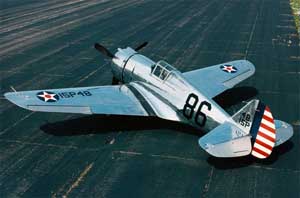
Picture of Curtiss P-36 Hawk (Hawk 75 / Mohawk)
Pic of the Curtiss P-36 Hawk (Hawk 75 / Mohawk)
Image of the Curtiss P-36 Hawk (Hawk 75 / Mohawk)
View All Images (10)

Specifications for the
Curtiss P-36 Hawk (Hawk 75 / Mohawk)
Fighter


Country of Origin: United States
Manufacturer: Curtiss - USA
Initial Year of Service: 1938
Production: 1,115


Focus Model: Curtiss P-36G Hawk (Hawk 75 / Mohawk)
Crew: 1


Length: 28.51ft (8.69m)
Width: 37.01ft (11.28m)
Height: 9.25ft (2.82m)
Weight (Empty): 4,676lbs (2,121kg)
Weight (MTOW): 5,880lbs (2,667kg)


Powerplant: 1 x Wright R-1820-G205A Cyclone piston radial engine developing 1,200 horsepower.


Maximum Speed: 322mph (518kmh; 280kts)
Maximum Range: 650miles (1,046km)
Service Ceiling: 32,349ft (9,860m; 6.1miles)
Rate-of-Climb: 2,500 feet per minute (762m/min)


Hardpoints: 2
Armament Suite:
ORIGINAL:
1 x 0.50 caliber heavy machine gun
1 x 0.30 caliber machine gun

ENHANCED:
2 x 0.50 caliber heavy machine guns in engine cowl.
2 to 6 x 0.30 caliber heavy machine guns in wings

EVALUATED:
2 x 23mm Madsen autocannons underwing

OPTIONAL:
Underwing drop bombs of various weights.


Variants:
P-36 Hawk - Base Series Designation


Model 75A - Curtiss company prototype used to test aerodynamics and various engine types.

Model 75B - Prototype fitted with Wright R-1820 radial piston engine.

Model 75D - Prototype fitted with Wright Whirlwind R-1670 radial piston engine.

Model 75I - Curtiss designation for P-37 model

Model 75H - Curtiss designation of simplified export models for China and Argentina.

Model 75J - Modified Model 75A fitted with supercharger for evaluation.

Model 75K - Proposed variant; fitted with Pratt & Whitney R-2180 Twin Hornet radial piston engine.

Model 75P - P-40 Prototype; fitted with Allison V-1710 inline piston engine; based on P-36A production model.

Model 75R - Prototype fitted with R-1830-SC2-G turbo-supercharged engine.

Y1P-36 (Model 75E) - USAAC prototype fitted with Pratt & Whitney R-1830 engine.

P-36A (Model 75L) - Initial USAAC production model.

P-36A-3 - Fitted 4 x 7.62mm machine guns in wings; nose armament retained.

P-36B - Modified from P-36A production model; fitted with R-1830-25 radial piston engine of 1,100 horsepower; single example tested and reverted back to P-36A standard.

P-36C - Fitted with R-1830-17 radial piston engine of 1,200 horsepower; additional 7.62mm machine gun added to each wing with corresponding ammunition packs fitted.

XP-36D - Prototype; based on P-36A; 2 x 12.7mm heavy machine guns fitted in engine cowling along with 4 x 7.62mm machine guns in wings.

XP-36E - Prototype; based on P-36A; 4 x 7.62mm machine guns added to wings; original nose armament retained.

XP-36F - Prototype; modified from P-36A production model; fitted with 2 x 23mm Madsen cannons in wings; reverted back to P-36A form after testing.

P-36G - Norwegian export designation; fitted with R-1820-G205A radial piston engine of 1,200 horsepower; operated in training in Canada before being sold to Peru.

Hawk 75 - French export designation

Hawk 75A-1 - Initial French production models; fitted with R-1830-SC-6 radial piston engine of 900 horsepower; 4 x 7.5mm machine guns; 100 examples produced.

Hawk 75A-2 - Fitted with R-1830-SC-G or R-1830-SC3-G of 1,050 horsepower; 6 x 7.5mm machine gun armament; 100 examples produced.

Hawk 75A-3 - Based on Hawk 75A-2; 135 examples produced.

Hawk 75A-4 - Based on Hawk 75A-2; fitted with Wright Cyclone radial piston engine of 1,200 horsepower; 285 examples produced with 81 of these sent to France, the rest to Britain following the Fall of France.

Hawk 75A-5 - Chinese license production variant; based on Hawk 75A-4; models overtaken by RAF.

Hawk 75A-6 - Norwegian export variant; confiscated by Germans after Fall of Norway, sold to allied Finland.

Hawk 75A-7 - Netherlands East Indies export variant; fitted with Cyclone radial piston engine of 1,200 horsepower; 3 x 7.7mm machine gun armament later upgraded to 4 x 7.7mm machine guns and provisions for light bomb load.

Hawk 75A-8 - Norwegian Export Variant; becoming the P-36G.

Hawk 75A-9 - Persian Export Variant; 10 examples delivered and confiscated by RAF; becoming Mohawk IV service marks.

Hawk 75M - Chinese Export Variant simplified with fixed undercarriage; local US and license Chinese production.

Hawk 75N - Siam Export Variant simplified with fixed undercarriage.

Hawk 75O - Argentina Export Variant simplified with fixed undercarriage; 50 examples produced locally in US and in Argentina.

Hawk 75Q - Simplified evaluation models for China; two examples produced.

XP-37 - Prototype fitted with Allison V-1710 inline piston engine; cockpit relocated to rear placement.

YP-37 - Evaluation model of the XP-37 prototype; 13 examples produced.

XP-42 (Model 75S) - Technology demonstrator

H75 - Alternative designation for French export models.

P-36 "Mohawk" - RAF Designation


Operators: Argentina; Brazil; Canada; China, Finland; France; Vichy France; India; Iran; Nazi Germany; Netherlands East Indies; Peru; Portugal; Thailand; United Kingdom; United States

ALL AIRCRAFT CATEGORIES

BY DECADE:


1900 to 1909
1910 to 1919
1920 to 1929
1930 to 1939
1940 to 1949
1950 to 1959
1960 to 1969
1970 to 1979
1980 to 1989
1990 to 1999
2000 to 2009
2010 to 2019
2020 to 2029
VIEW ALL
Compare Aircraft


BY TYPE:


Anti-Submarine Warfare (ASW)
Attack Helicopters
Bomber Aircraft
Medium Bombers
Heavy Bombers
Close-Air Support (CAS)
Commercial Aircraft
Dive Bombers
Electronic Warfare Aircraft (EWA)
Experimental / X-Planes
Fighter Aircraft
Floatplane Aircraft
Flying Boat Aircraft
Aerial Refueling Tankers
Helicopters (ALL)
Interceptor Aircraft
Multi-Role Aircraft
Navy Carrier Aircraft
Night Fighters
Reconnaissance / Scout
Search & Rescue (SAR)
Scout Helicopters
Special Purpose
Torpedo Bombers
Trainer Aircraft
Transport Aircraft
Transport Helicopters
Unmanned Aerial Vehicles (UAVs)
Unmanned Combat Air Vehicles (UCAVs)


COLLECTIONS:


4th Generation Fighter Aircraft
5th Generation Fighter Aircraft
US X-Planes
Classic US Warbirds
French Military Helicopters
Grumman "Cats"
Howard Hughes Aircraft
Indian Air Force
Israeli Air Force
Libyan Aircraft
Modern Chinese Aircraft
Modern Chinese Fighters
Modern Military Aircraft
Modern North Korean Aircraft
Modern Trainer Aircraft
Modern US Aircraft
Mikoyan Aircraft
Sukhoi Aircraft
Syrian Aircraft
Top 10 Fighter Aircraft of All Time


AIRCRAFT BY CONFLICT:


Arab-Israeli War (1948)
Cuban Missile Crisis (1959-1962)
Falklands War (1982)
Indo-Pak War (1965, 1971)
Iran-Iraq War (1980-1988)
Lebanon War (1982)
Operation Allied Force (1999)
Operation Desert Storm (1991)
Six Day War (1967)
Spanish Civil War (1936)
Soviet-Afghan War (1979-1989)
Yom Kippur War (1973)


MISCELLANEOUS:


Aircraft Cockpits
Aircraft Manufacturers List
Aircraft Timeline

WORLD WAR 2:


1939 Aircraft
1940 Aircraft
1941 Aircraft
1942 Aircraft
1943 Aircraft
1944 Aircraft
1945 Aircraft
1946 Aircraft
Australian Aircraft
Battle of Britain Aircraft
Bombers
Four-Engine Bombers
British Aircraft
British Bombers
British Transports
Dive Bombers
Canadian Aircraft
Fighters
Chinese Aircraft
French Aircraft
German Aircraft
German Fighters
German Flying Boats
German Jets
Secret Weapons of the Luftwaffe
Italian Aircraft
Imperial Japanese Aircraft
Imperial Japanese Fighters
Mitsubishi Bombers
Navy Aircraft
Pearl Harbor
Polish Aircraft
Romanian Aircraft
US Aircraft
US Bombers
US Navy Aircraft
Soviet Aircraft
Torpedo Bombers
Trainer Aircraft
Transport Aircraft
Tuskegee Airmen Aircraft
W.A.S.P. Aircraft
WW2 Aircraft Ranked by Speed
VIEW ALL


WORLD WAR 1:


1914 Aircraft
1915 Aircraft
1916 Aircraft
1917 Aircraft
1918 Aircraft
Aircraft Timeline
Austro-Hungarian Aircraft
Bomber Aircraft
British Aircraft
Fighters
Flying Boats
French Aircraft
Imperial German Aircraft
Italian Aircraft
Scout Aircraft
Russian Empire Aircraft
US Aircraft
WW1 Aircraft Ranked by Speed
VIEW ALL


KOREAN WAR:


Australian Aircraft
Korean War Aces
Korean War Jets
North Korean Aircraft
US Military Aircraft
VIEW ALL


VIETNAM WAR:


Helicopters
North Vietnam Air Force
US Airpower
VIEW ALL


COLD WAR:


1950s French Aircraft
British V-Bombers
Cold War Bombers
Soviet Aircraft
Soviet Bombers
Soviet Interceptors
Soviet Helicopters
Strategic Air Command
US Aircraft
US Bombers
US Interceptors
VIEW ALL

Site Disclaimer | Privacy Policy | Site Map | MF Origins


©2013 www.MilitaryFactory.com • Content ©2003-2013 MilitaryFactory.com • All Rights Reserved • Site Contact Email: militaryfactory at gmail dot com. The "Military Factory" name and MilitaryFactory.com logo are registered ® trademarks and protected by all applicable domestic and international intellectual property laws.


Top MF Stuff: 2013 Military Pay Scale | Military Ranks | WW2 Weapons | Sniper Rifles | Kts to Mph | WW1 Aircraft | Automatic Rifles | Aircraft Cockpits | Vietnam War Weapons | Main Battle Tanks | Submachine Guns | Shotguns | French Military Victories


Most photographic images appearing on this site are courtesy of the United States Department of Defense and are approved for public use. Other images acquired through the public domain. Digital art work courtesy of Dan Alex. Business Consulting by Kyle Williams. Material presented throughout this website is for historical and entertainment value and should not to be construed as usable for hardware restoration, maintenance or general operation. Please consult manufacturers for such information.


eXTReMe Tracker