|
|
| |
|
Vought / LTV A-7 Corsair II
The A-7 Cosair II was developed as a replacement for the A-4 Skyhawk and is based on the F-8 Crusader design successes.
By Staff Writer
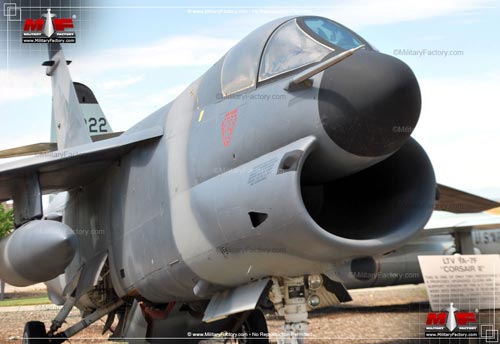
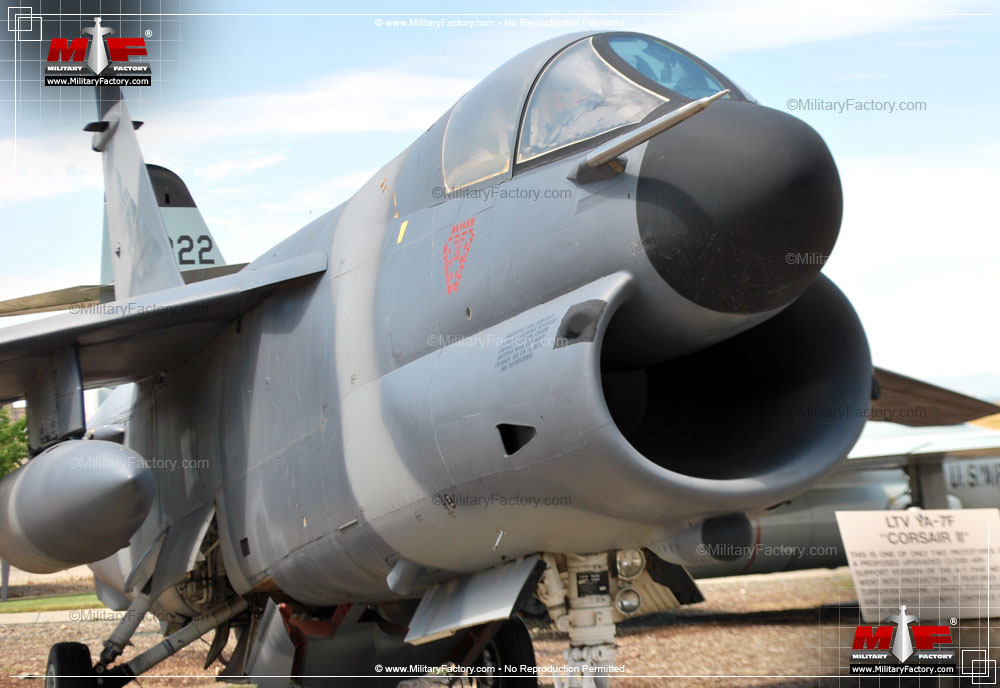
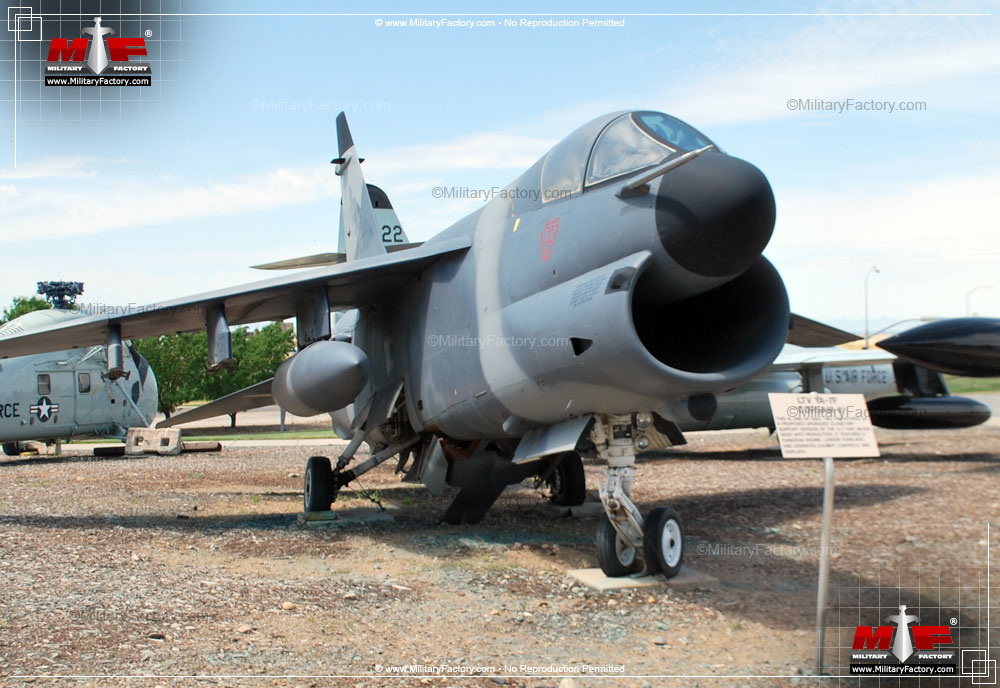
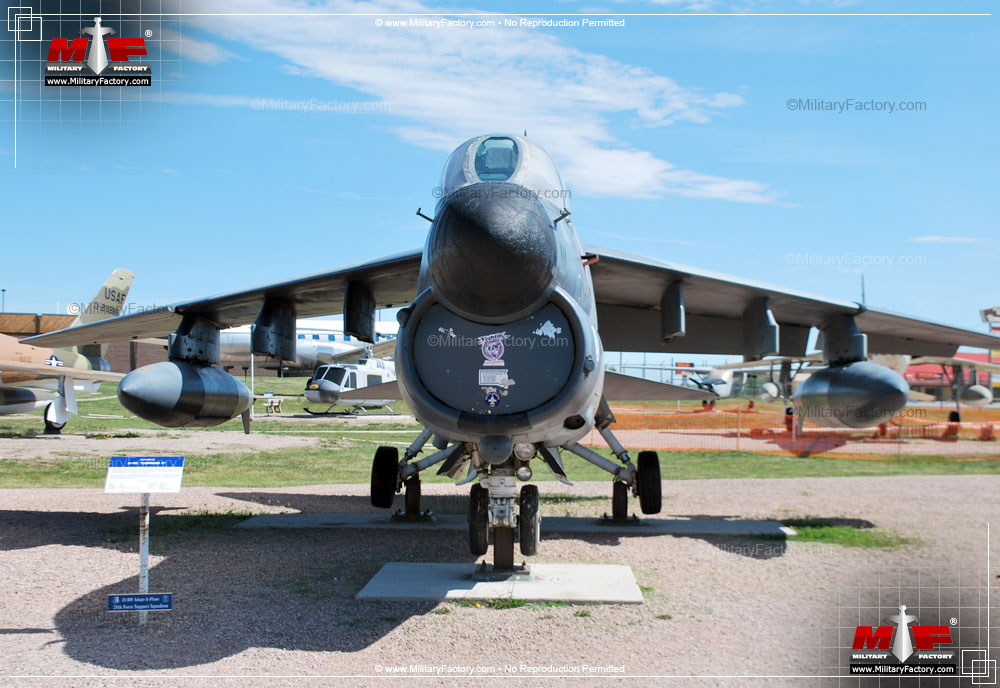
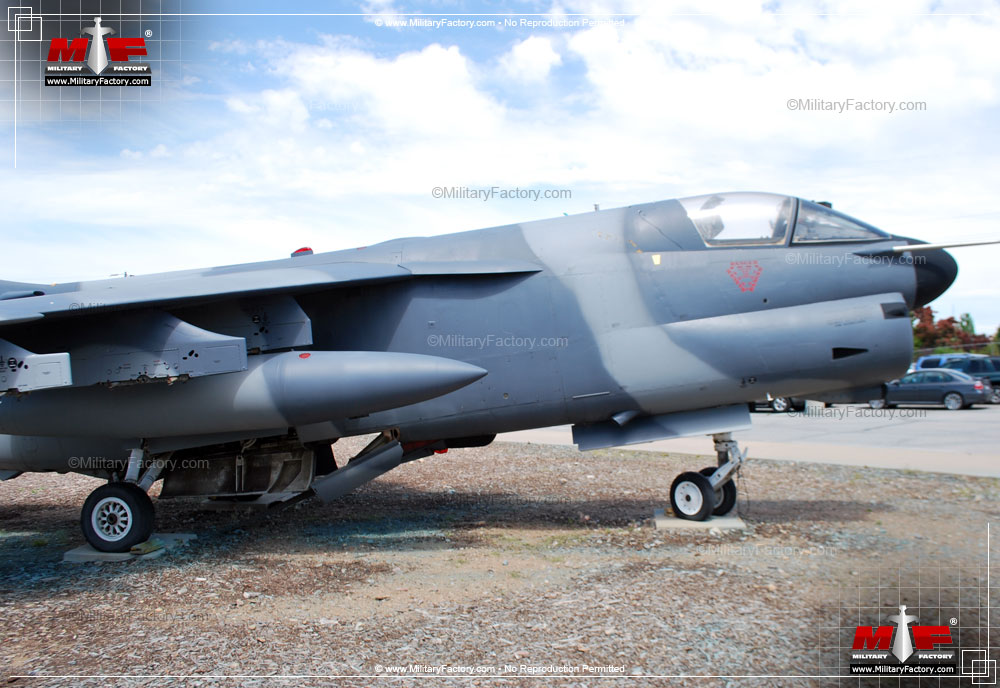
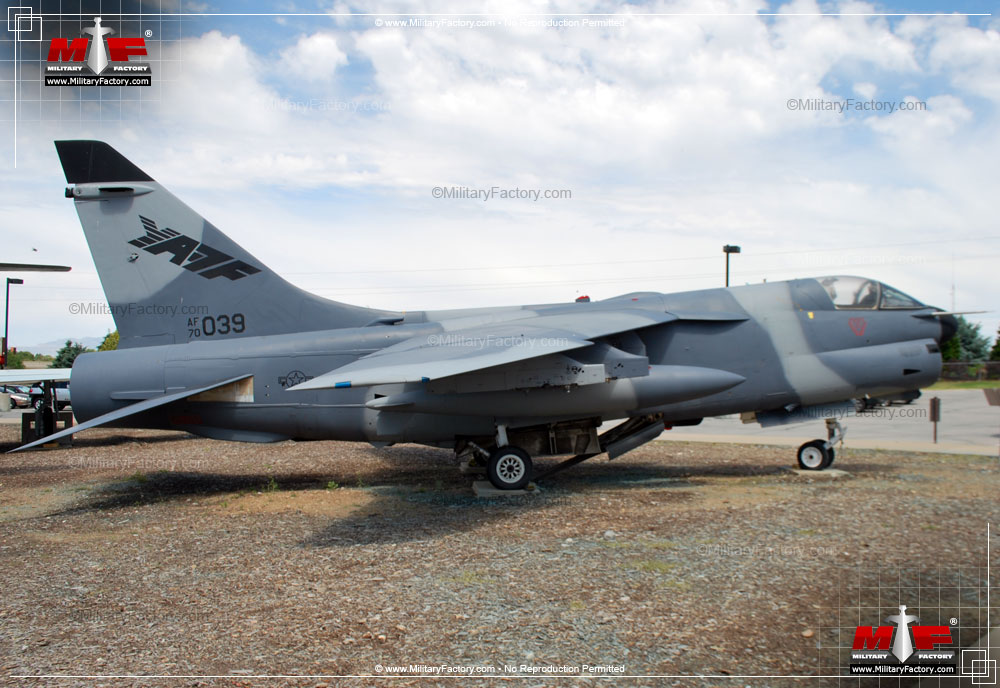
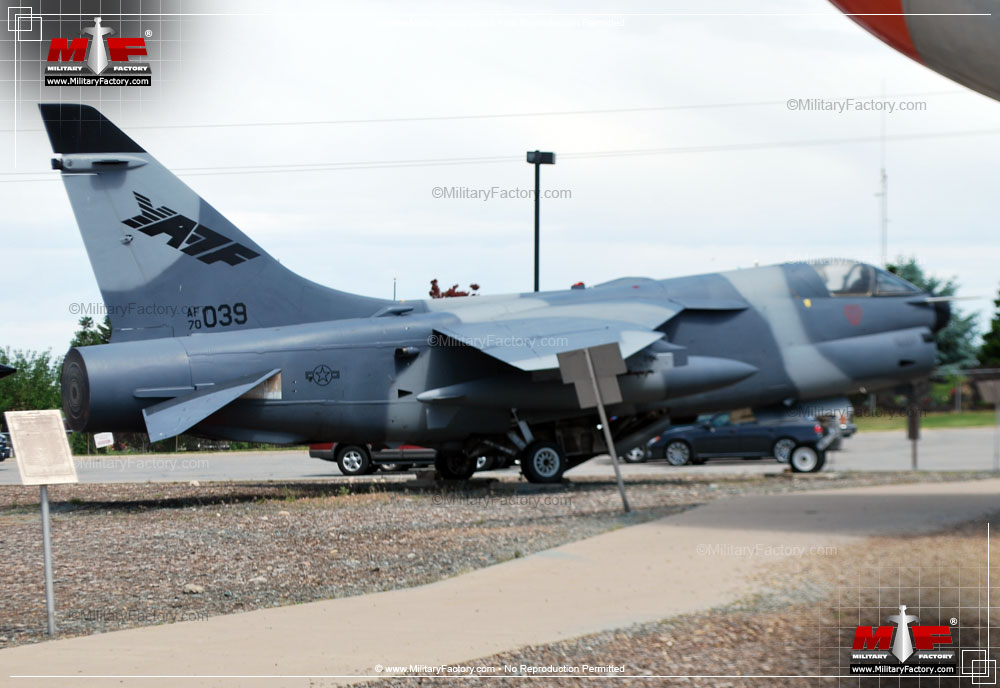
The middle-weight Vought-produced A-7 Corsair II was designed as a replacement for the A-4 Skyhawk light-weight fighter / bomber, and was based on the engineering successes of the F-8 Crusader. Owing its general visual appearance to the Crusader, the A-7 Corsair was designed more so as an attack-strike aircraft capable of carrier-based operations than an air-to-air interceptor-capable fighter.
Three prototypes were ordered for the United States Navy as the YA-7A in 1965 and were fitted with the Pratt & Whitney TF30-P-6 turbofan non-afterburning engine. It would be this same model that would become the production version of the A-7 as the A-7A, fitted with two standard single-barrel 20mm cannon.
The A-7 Corsair II (the "Corsair" name wasn't adopted under the A-7D model) was piloted by one crewmember and could operate and be stored on carriers. The A-7 would go on to see action throughout America's Vietnam War of the late 1960's and early-mid 1970's and even make an appearance in the first Persian Gulf conflict with Iraq in 1991.
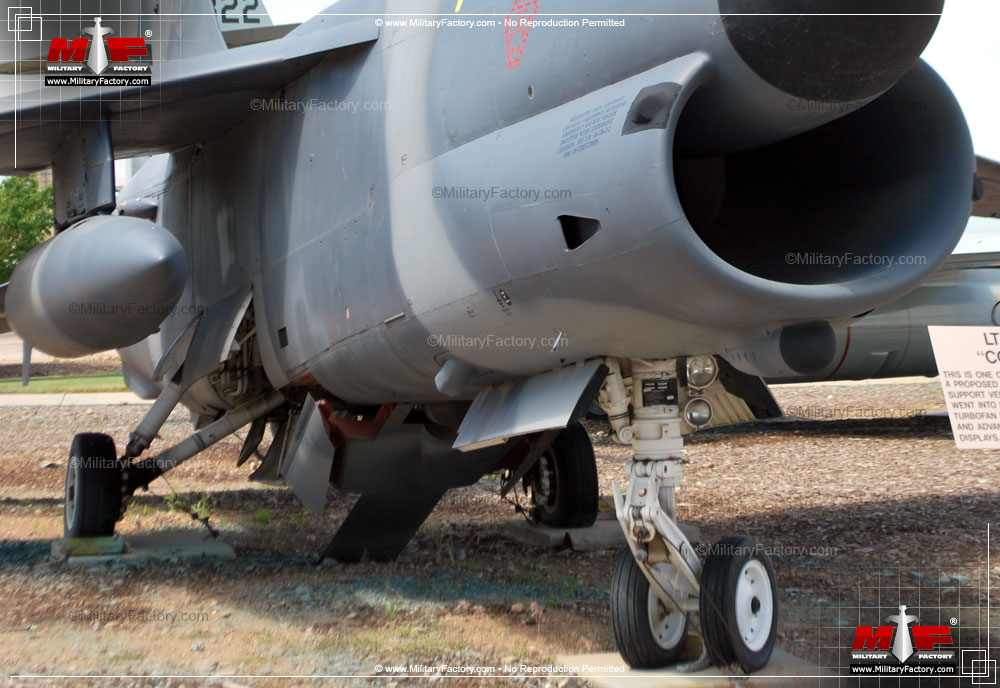
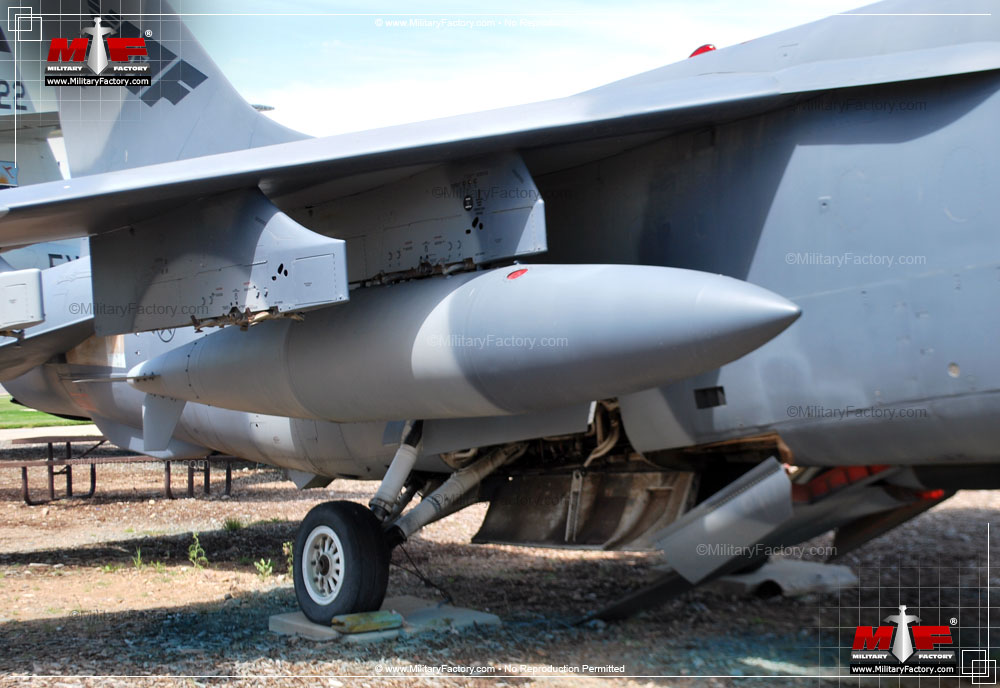
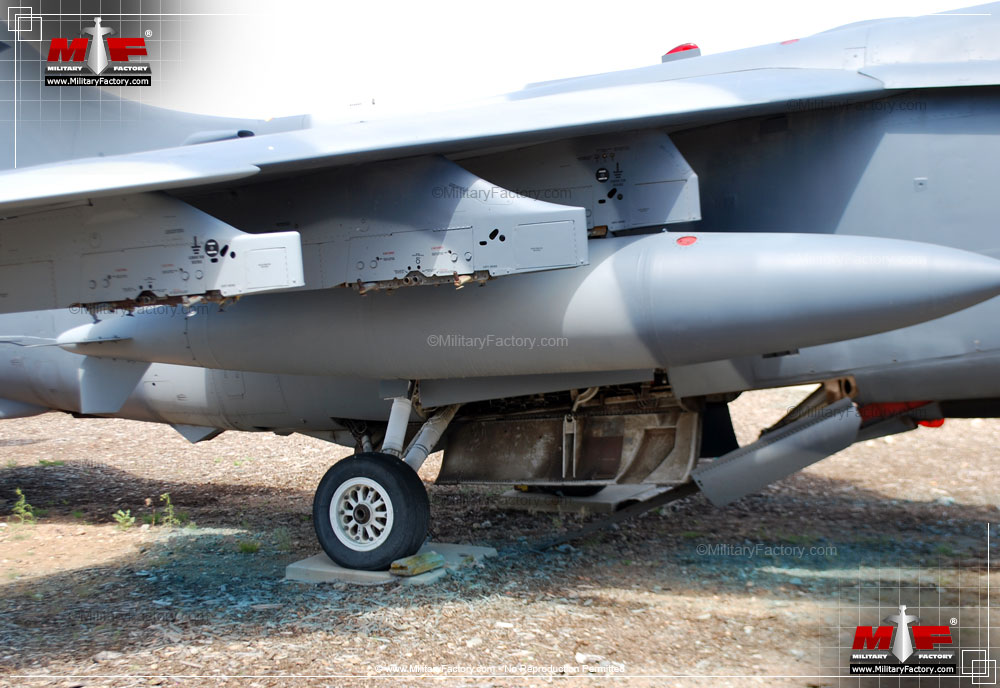
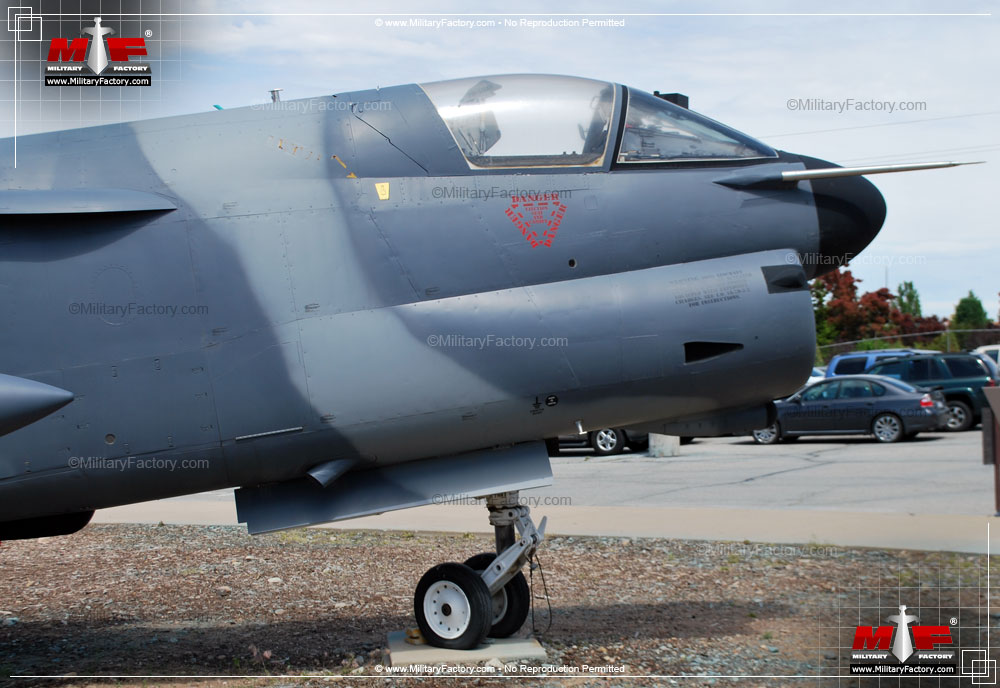
The fuselage looked fairly similar to the F-8 Crusader, with the short-snub cockpit nose extending out over the fuselage-width engine intake at front. The wing element sat high on the middle of the airframe and was fitted with six hardpoints for a variety of air-to-air or air-to-surface armament arrangements including laser-guided bombs and rocket pods. Two additional side-fuselage provisions were integrated under the wing roots but these were solely fitted to carry the AIM-9 Sidewinder air-to-air missile system. The earlier 2 x 20mm single-barrel cannons would later be replaced by a more modern 6-barrel 20mm gatling-type internal gun.
In all, the A-7 Corsair II fulfilled a crucial role in naval carrier-based operations, able to provide an extensive array of air-to-surface munitions while still maintaining enough power and provision space for self-defense and anti-aircraft weaponry. The A-7 saw very little in the way of export sales, even with the export-targeted A-7 Plus development.
Full operational usage by the USAF and USN of the A-7 Corsair II ended officially in 1993.
Text ©2003-2010 www.MilitaryFactory.com • All Rights Reserved •
No Reproduction Without Permission • Corrections / Comments to MilitaryFactory at Gmail dot com
Last Revision: 10/8/2009
|
| |
|
|
| |
| Specifications for the Vought / LTV A-7E Corsair II |
Dimensions: |
Length: 46.13ft (14.06m)
Width:38.71ft (11.80m)
Height: 16.08ft (4.90m)
|
Performance: |
About MACH |
Max Speed: 659mph (1,060kmh; 572kts)
Max Range: 564miles (908km)
Rate-of-Climb: 0ft/min (0m/min)
Service Ceiling: 42,999ft (13,106m; 8.1miles)
|
|
Structure: |
Accommodation: 1
Hardpoints: 8 (two reserved strictly for Sidewinder AAM)
Empty Weight: 18,942lbs (8,592kg)
MTOW: 42,000lbs (19,051kg)
|
Powerplant: |
| Engine(s): 1 x Allison / Rolls-Royce TF41-A-1 turbofan engine generating 15,000lbs of thrust. |
|
Armament Suite: |
2 x 20mm single-barrel cannons (early)
1 x 20mm 6-barrel rotary cannon (later models)
Mission-specific armament on 8 external hardpoints (two side-fuselage positions reserved exclusively for AIM-9 Sidewinder AAM) may include:
AIM-9 Sidewinder air-to-air missiles, iron free fall bombs, Laser-Guided Bombs, AGM-65 Maverick air-to-surface missiles, munition dispensing pods and rocket pods.
|
|
|
| Pictures of the Vought / LTV A-7 Corsair II |
|
| Special Aircraft Collections |
|
|
| Recent Military Aircraft Additions |
|
| Contacting MilitaryFactory.com |
| We can only get better if you tell us how. You can contact MilitaryFactory.com at MilitaryFactory at gmail dot com (replace "at" with "@" and "dot with ".") with any questions, comments or corrections. We also accept related military imagery that you approve for us to use on our website. Keep in mind, however, that due to volume, we may not directly respond to your inquiry. Please add us to your list of non-blocked recipients! |
|
|

Aircraft Quick Profile |
 |
| 1967 |
Designation: Vought / LTV A-7 Corsair II
Classification Type: Carrier-Borne Strike Aircraft
Contractor: Ling-Temco-Vought (LTV) - USA
Country of Origin: United States
Production Total: 1,569 |
 |
|
Operators: Greece; Thailand; Portugal; United States
|
|
|
|
| Variants |
YA-7A - Prototype Model Designation of which 3 produced; fitted with Pratt & Whitney TF30-P-6 non-afterburning turbofans engines capable of 11,350lbs of thrust; 2 x 20mm single-barrel cannons.
A-7A - First Production Model of which 199 produced; based heavily on the YA-7A prototype.
A-7B - Featured the TF30-P-8 turbofan capable of 12,200lbs of thrust; 196 produced.
A-7C - TF309-P-408 turbofan capable of 13,400lbs of thrust; 67 produced.
A-7D "Corsair II" - TF41-A-1 powerplant capable of 14,500lbs of thrust based on Rolls-Royce Spey turbofan but license-built; First designated use of "Corsair II" as aircraft name; 1 x 20mm rotary cannon replacing 2 x 20mm single-barrel cannons; improved avionics, navigation and weapons systems; "Pave Penny" laser tracking system; 459 produced.
A-7E - TF41-A-2 powerplant capable of 15,000lbs of thrust; forward-tracking infra-red senor integrated.
YA-7F - Improved Export Model development designation; Improved avionics package, improved powerplant, airframe refinements and improved electronics.
A-7F - Close-support Upgrade Model (project cancelled).
A-7K - Two-seat trainer for USAF.
TA-7C - Two-seat conversion of A-7A and A-7B models.
TA-7H - Greece-export Model with provisioning for AGM-65 Maverick missiles; anti-ship strike model.
A-7P (or "Plus") - Refurbished A-7A upgraded with A-7E avionics package (exported to Portugal - no longer utilized).
EA-7L
|
|
|