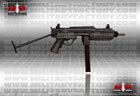
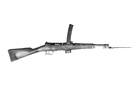
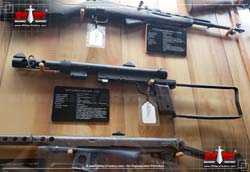
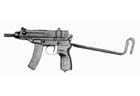
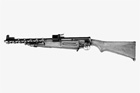
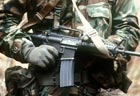
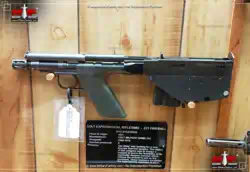
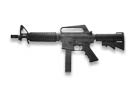
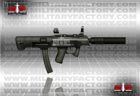
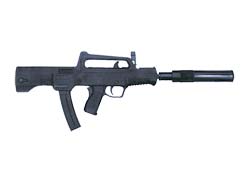
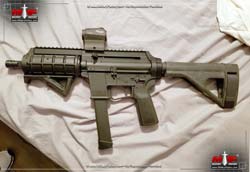
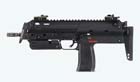
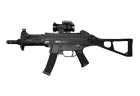
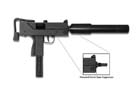
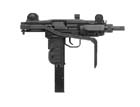
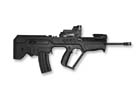
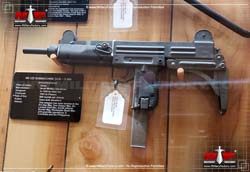
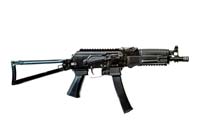
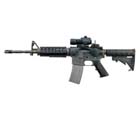
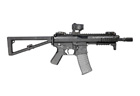
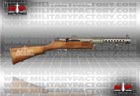
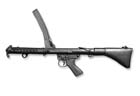
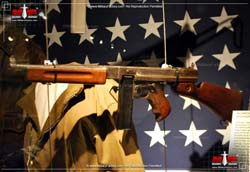
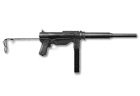
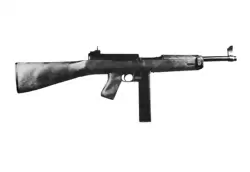
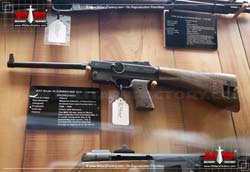
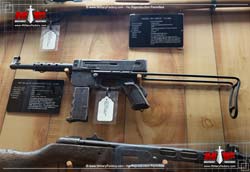
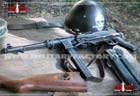
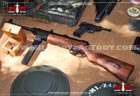
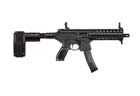
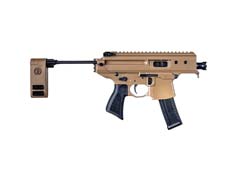
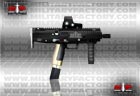
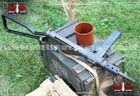
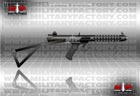
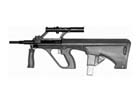
Bridging that special gap between pistol, machine pistol and assault rifle.
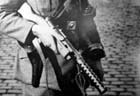
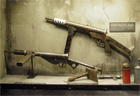
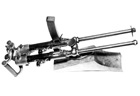
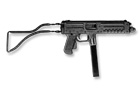
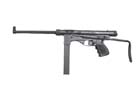
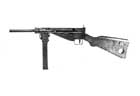
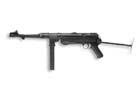
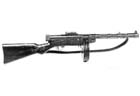
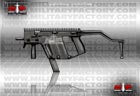
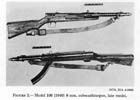
The submachine gun was born from the desire of warplanners to provide the basic infantryman with the voluminous firepower of a machine gun with the portability of a pistol in the early part of the 20th Century - the requirement proved most apparent during World War 1. The first useful submachine gun design was of German origin and became the Bergmann MP18. However, it would not be until World War 2 that the submachine gun would truly take the stage as a viable infantry weapon as its use was prevalent on all sides of the conflict. The war produced the reliable American M1 Thompson, the war-winning British STEN series and the famous German MP38/MP40 types. The Germans ushered in an all-new era of submachine gun design during the Cold War years with the introduction of the excellent Heckler & Koch MP5 which went on to be used by dozens of countries the world over.
There are a total of [ 127 ] Submachine Guns (SMG) entries in the Military Factory. Entries are listed below in alphanumeric order (1-to-Z). Flag images indicative of country of origin and not necessarily primary operator.
The "Military Factory" name and MilitaryFactory.com logo are registered ® U.S. trademarks protected by all applicable domestic and international intellectual property laws. All written content, illustrations, and photography are unique to this website (unless where indicated) and not for reuse/reproduction in any form. Material presented throughout this website is for historical and entertainment value only and should not to be construed as usable for hardware restoration, maintenance, or general operation. We do not sell any of the items showcased on this site. Please direct all other inquiries to militaryfactory AT gmail.com. No A.I. was used in the generation of this content.