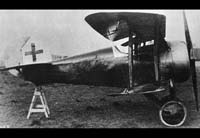
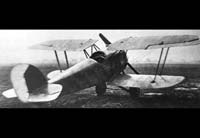
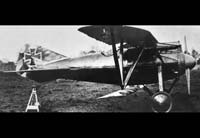
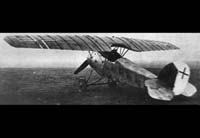
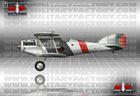
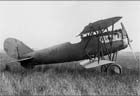
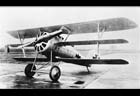
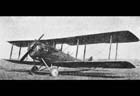
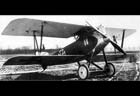
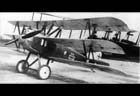
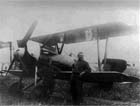
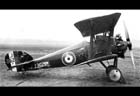
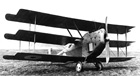
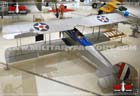
Aircraft of World War 1: 1918 The war years end with the defeat of Germany and her allies, effectively laying the ground work for the next world war to come.
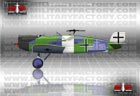
1
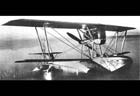
Aeromarine 40 The Aeromarine Model 40 (or simply "Aeromarine 40") was a two-seat floatplane trainer aircraft serving the United States Navy. The aircraft was produced by the Aeromarine Plane and Motor Company of Keyport, New Jersey, and ha...
1918
2
Airco / de Havilland DH.4 With production numbering over 6,000 total units, the Airco / de Havilland DH.4 was another one of Geoffrey de Havilland's successful aircraft designs of the First World War (his legacy would later be solidified with the deve...
1918
3
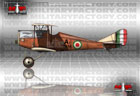
Ansaldo A 1 Balilla (Hunter) The Ansaldo A 1 Balilla ("Hunter") was the first aircraft fighter design of Italian origins. Italian forces consistently used French-designed aircraft in the early years of the war, leading the Ansaldo Italian firm to create ...
1918
4
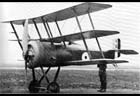
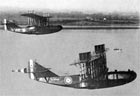
Blackburn R.T.1 Kangaroo The Kangaroo was the product of the Blackburn Aeroplane and Motor Company, Limited. The design began as a venture in 1916 to which two complete prototypes were produced. These prototype aircraft, known collectively as the Bla...
1918
5
Caudron R.11 The Caudron R.11 was initially intended as a reconnaissance platform for the French Air Force but went on to serve the role of fighter escort instead. The system was fielded with a crew of three, was of a large two engine des...
1918
6
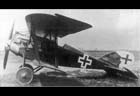
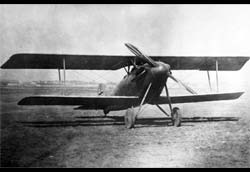
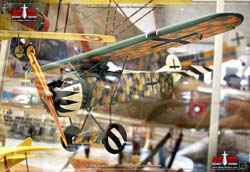
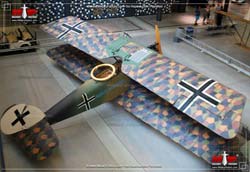
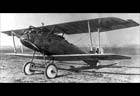
Fokker D.VII The Fokker Dr.VII is now regarded as the best German fighter of the First World War. This biplane design entered development and production towards the end of the war but aircrews still managed some very impressive kill-to-lo...
1918
7
Fokker D.VIII The Fokker D.VIII was a monoplane design and is regarded as one of the best fighters produced by the Germans during the First World War. It combined survivability, firepower and adaptability in a sturdy airframe.
The syst...
1918
8
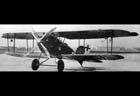
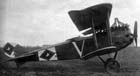
Halberstadt CL.IV The CL.IV was a further development of the CL.II design, both aircraft a product of Halberstadt Flugzeugwerke of Germany. The CL.II was found to be a perfect platform when used in the close-support role and, as such, the CL.I...
1918
9
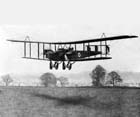
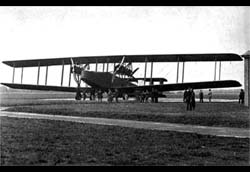
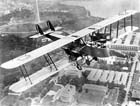
Handley Page H.P. O/400 The O/400 model series by Handley Page aircraft firm was the principle heavy bomber of the RAF by the end of the First World War. The O/400 was directly descended from the previous O/100 model series with the "100" and "400" ...
1918
10
Junkers CL.I The Junkers CL.I was a break-through aircraft design produced in limited quantities in the final year of World War One. The system was an all-metal design proposed and accepted at a time when wood and fabric-constructed plane...
Martin MB-1 / Glenn Martin Bomber The Martin MB-1 (also known as the "Glenn Martin Bomber") became the first American-designed heavy bomber type to be purchased in quantity in the First World War, becoming the mainstay of the United States Army Air Service (U...
1918
13
Martinsyde F.4 Buzzard The Martinsyde F.4 "Buzzard" was a biplane aircraft appearing in the late stages of World War 1 and saw service most notably with the Royal Air Force. The aircraft proved to be of sound design and was regarded as one of the f...
1918
14
Siemens-Schuckert D.IV The Siemens-Schuckert D.IV was a further development of the D-series brand, itself a copy of the spectacular French Nieuport 11. Development of the D.IV stemmed from the D.IIc short wing span prototype ordered after productio...
1918
15
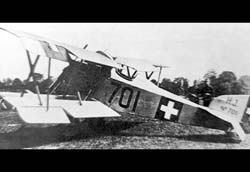
Ufag C.I The Ufag C.I was a two-seat, single-engine biplane fighter serving the Austro-Hungarian Empire air services. The aircraft made its first appearance in April of 1918 and proved an excellent mount that it quickly warranted a qu...
1918
Totals:
15
There are a total of 15 World War I aircraft of 1918 in the Military Factory.
Material presented throughout this website is for historical and entertainment value and should not to be construed as usable for
hardware restoration, maintenance or general operation. Please consult manufacturers for such information.
Site Contact: militaryfactory at gmail dot com(replace "at" with "@" and "dot" with ".")