|
|
| |
|
Fairchild C-123 Provider
The C-123 Provider had a distinct design feature in that the system was powered by both turbojet and propeller engines.
By Staff Writer
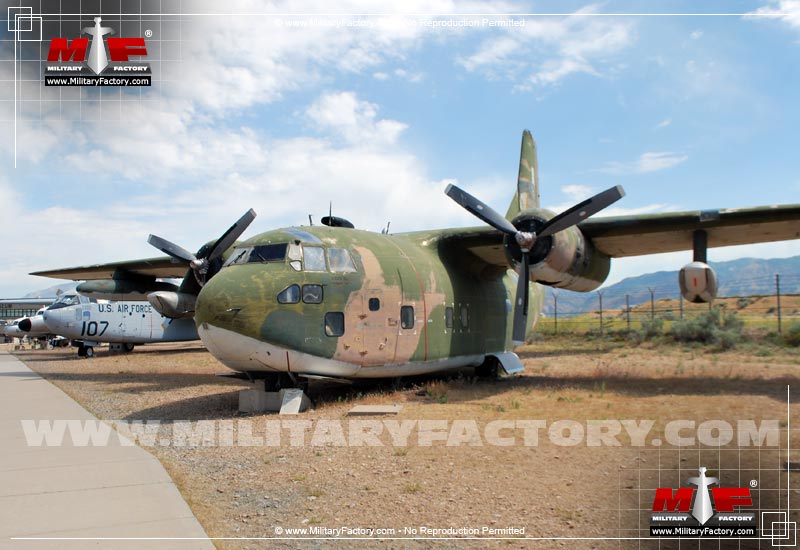
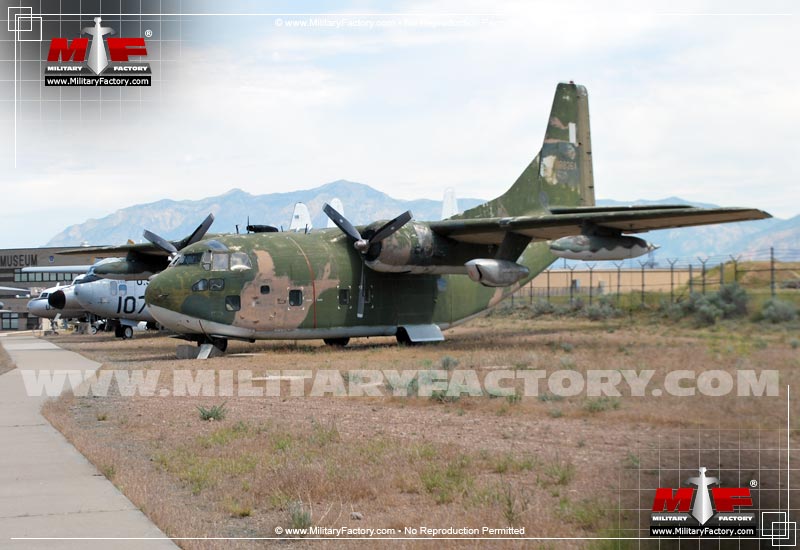
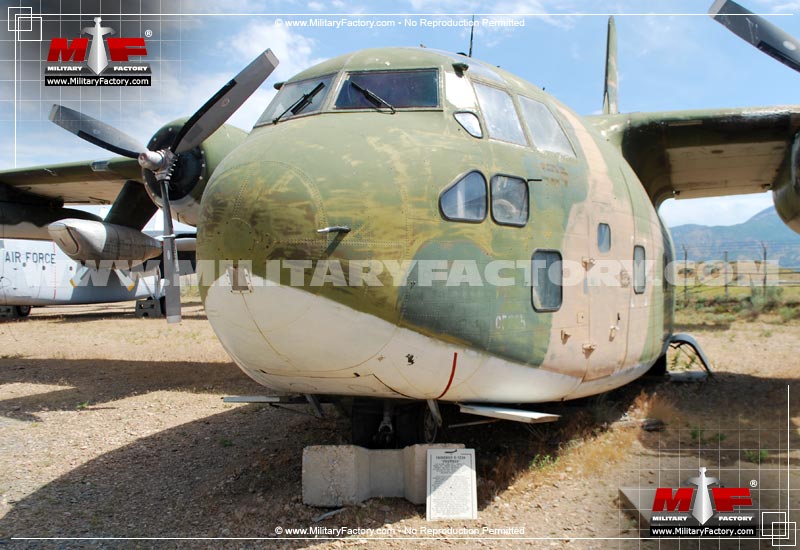
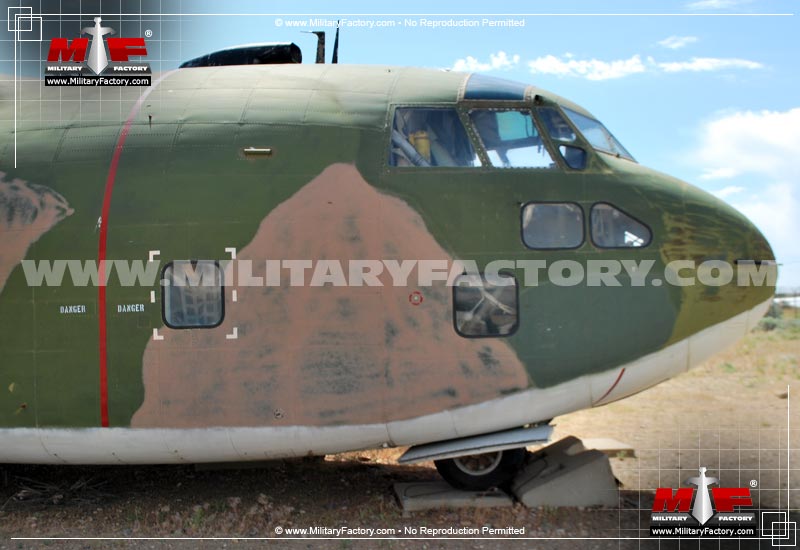
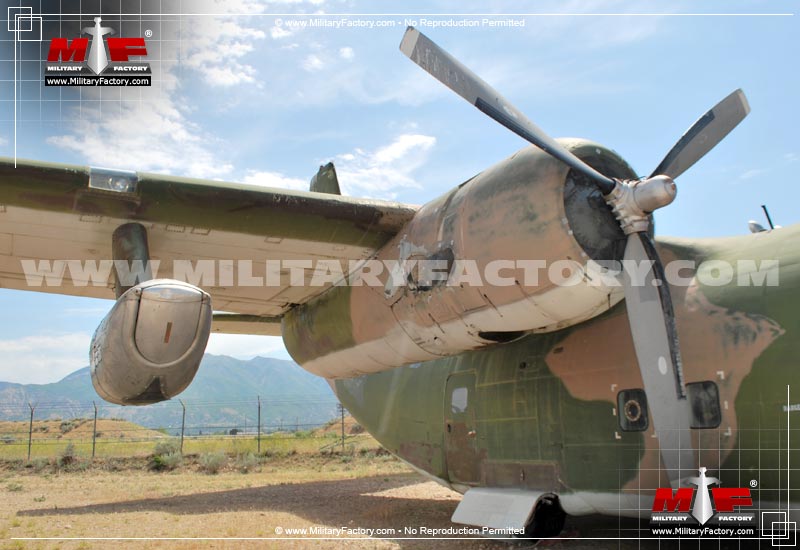
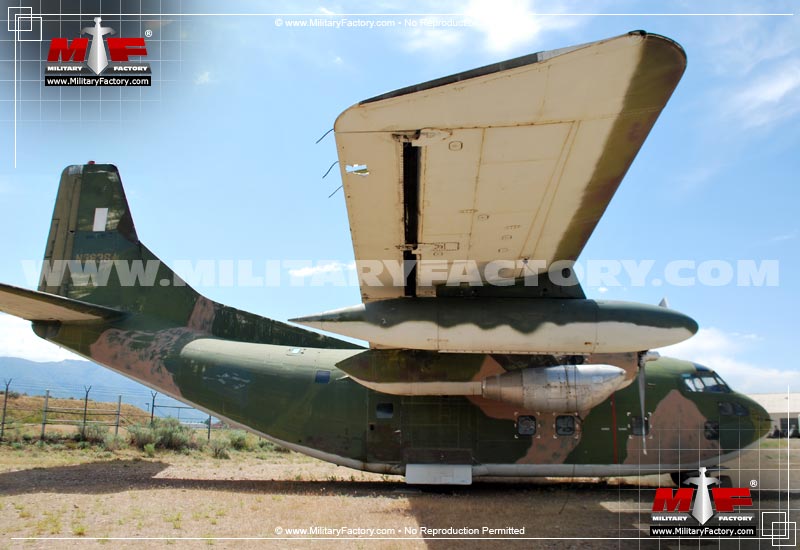
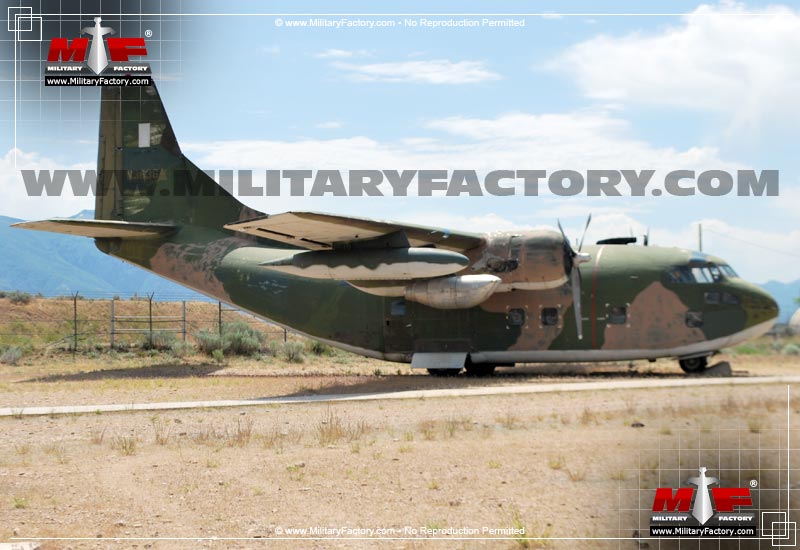
The C-123 Provider was a four engine military transport aircraft utilized to good effect in the Vietnam War. Design of the aircraft was of particular note in that the system was powered by both conventional propellers and by turbojet engines mounted under the wings. The aircraft served from the middle 1950's into the late 1960's and formed a vital part of United States operations in the Vietnam conflict and was utilized by a variety of Southeast Asian and Latin American customers and the United States Air Force and Coast Guard branches of service.
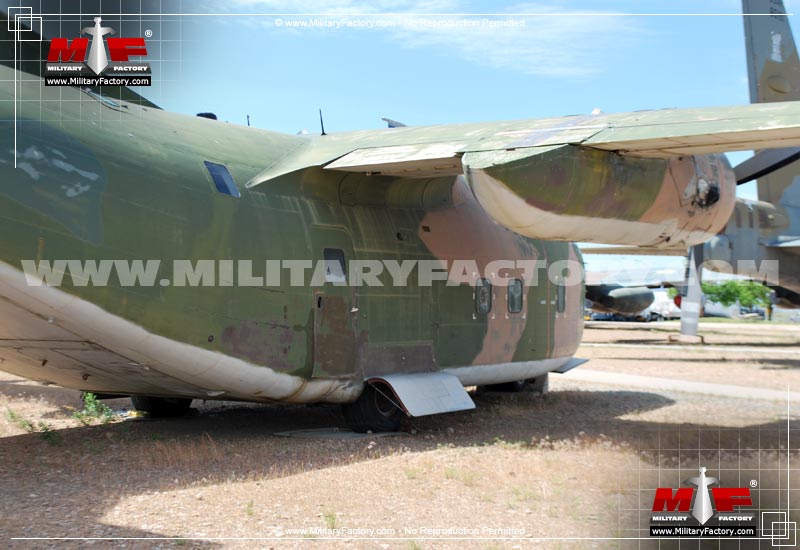
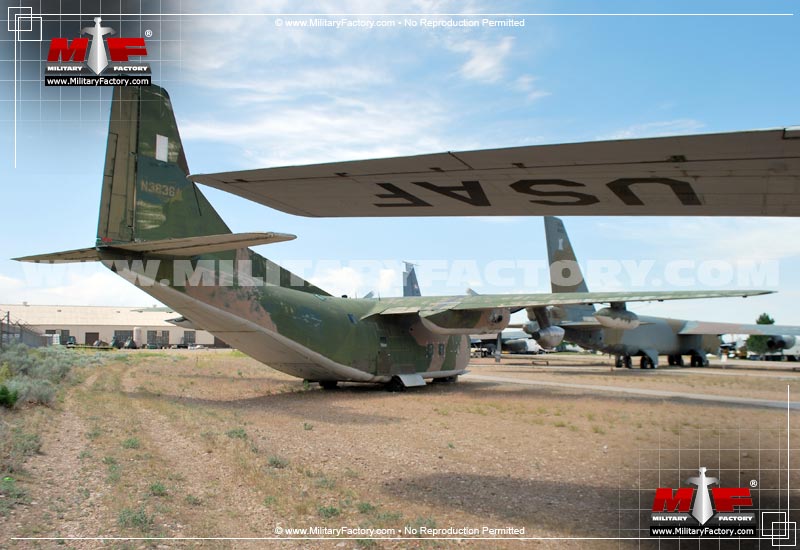
From a design standpoint, the C-123 was typical of operational transports of the time, sporting a lifted empennage, high-mounted wings and low landing profile for ease of use when loading and unloading the aircraft. A standard crew consisted of three personnel and a further 62 combat-ready troops could be carried aloft. Power centered around the 2 x Pratt & Whitney R-2800-99W series Double Wasp 18-cylinder radial piston engines producing 2,300 horsepower each and were held inboard under the wings. This was further augmented by the use of 2 x General Electric brand J85-GE-17 turbojet engines held outboard under the wings. The aircraft was designed Chase Aircraft and construction undertaken by Fairchild Aircraft in which more than 300 examples were produced.
The C-123 was originally conceived of as an all-metal military glider as the XCG-20 prototype but gradually evolved into the engined derivative. The C-123 was later fielded in Vietnam where her short-take off and landing characteristics were much coveted. As such, the Provider series began to evolve into other modified versions as needed including night time operators (two converted in this fashion) and search & rescue platforms (USCG) though it was primarily used as a supply transport servicing both American and South Vietnamese elements. Some appeared as VIP transports with the most notable being General William Westmoreland's "White Whale".
The C-123 is perhaps best known for her use in Operation Ranch Hand during the conflict, an initiative designed to defoliate parts of South Vietnam in an effort to remove undergrowth as both cover and nutrition to advancing North Vietnamese troops. This was particularly of import in the Mekong Delta, where United States Navy patrol boats increasingly ran the risk of well hidden ambushes from river shorelines. Operation Ranch Hand revolved around the use of several types of herbicides produced by various corporations and included Agent Pink, Agent Green, Agent Purple, Agent Blue, Agent White and Agent Orange. Agent Orange is perhaps the most famous for the serious side effects brought about on its users and was the most widely used of the agents in the program. This particular agent was tainted with dioxin environmental pollutants and users were stricken with mysterious illnesses and generational defects after the war. A large supply of Agent Orange was manufactured in New Zealand and sent to Southeast Asia for use in the region. A small settlement was received by US veterans in 1984 though no official recognition of the effects of Agent Orange were admitted by the US government with most cases - even those brought about by foreign victims - dismissed. These "spraying" aircraft were usually noted by their "U" prefix in the designation.
The C-123 Provider was used by a variety of operators throughout her production life. These included elements in Cambodia, Taiwan, El Salvador, Laos, Philippines, Saudi Arabia, South Korea, Vietnam, Thailand and Venezuela. The C-123 has even appeared in various Hollywood motion pictures - taking center stage in those productions - and include both “Con Air” and “Air America”. A silver C-123 Provider from the Vietnam conflict is on display at the United States Air Force Museum in Dayton, Ohio, USA.
Text ©2003-2009 www.MilitaryFactory.com • All Rights Reserved •
No Reproduction Without Permission • Corrections / Comments to MilitaryFactory at Gmail dot com
Last Revision: 9/8/2009
|
| |
|
|
| |
| Specifications for the Fairchild C-123K Provider |
Dimensions: |
Length: 78.48ft (23.92m)
Width:110.01ft (33.53m)
Height: 33.99ft (10.36m)
|
Performance: |
About MACH |
Max Speed: 228mph (367kmh; 198kts)
Max Range: 1,035miles (1,666km)
Rate-of-Climb: 1,150ft/min (351m/min)
Service Ceiling: 28,871ft (8,800m; 5.5miles)
|
|
Structure: |
Accommodation: 3 + 62
Hardpoints: 0
Empty Weight: 35,367lbs (16,042kg)
MTOW: 59,525lbs (27,000kg)
|
Powerplant: |
| Engine(s): 2 x Pratt & Whitney R-2800-99W Double Wasp 18-cylinder radial piston engines generating 2,300hp each; 2 x General Electric J85-GE-17 turbojet engines developing 2,850lbf each. |
|
Armament Suite: |
|
None.
|
|
|
| Pictures of the Fairchild C-123 Provider |
|
| Special Aircraft Collections |
|
|
| Recent Military Aircraft Additions |
|
| Contacting MilitaryFactory.com |
| We can only get better if you tell us how. You can contact MilitaryFactory.com at MilitaryFactory at gmail dot com (replace "at" with "@" and "dot with ".") with any questions, comments or corrections. We also accept related military imagery that you approve for us to use on our website. Keep in mind, however, that due to volume, we may not directly respond to your inquiry. Please add us to your list of non-blocked recipients! |
|
|

Aircraft Quick Profile |

Image courtesy of the United States Air Force Museum and Hurlburt Field.
|
 |
 |
| 1952 |
Designation: Fairchild C-123 Provider
Classification Type: Transport Aircraft
Contractor: Chase Aircraft / Fairchild Aircraft - USA
Country of Origin: United States
Production Total: 307 |
 |
|
Operators: Cambodia, El Salvador, Laos, Philippines, Saudi Arabia, South Korea, Vietnam (South), Thailand, Venezuela and the United States of America.
|
|
|
|
| Variants |
XCG-20 - Prototype Model Example; two produced by Chase Aircraft as military transport gliders.
XG-20 - Redesignation of XCG-20 Prototypes
XC-123 - Prototype Model based on XG-20 prototype; fitted with Pratt & Whitney R-2800-23 engines of 2,200 horsepower.
XC-123A - Prototype Model based on the XG-20 prototype; fitted with General Electric J47-GE-11 turbojet engines.
C-123B - Based on the XC-123 prototype; fitted with 2 x Pratt & Whitney R-2800-99W engines of 2,300 horsepower; 307 examples produced between Fairchild Aircraft and Chase Aircraft (5).
UC-123B - Based on the C-123B model series as a crop destroyer.
VC-123C - Proposed VIP Transport Model based on the XC-123A; never produced.
YC-123D - Single Experimental Example; improved short runway capabilities.
YC-123E - Single Experimental Example; redesigned tail assembly and fuselage.
YC-123H - Single Prototype Model Example; fitted with J85 rocket boosters; redesigned undercarriage.
C-123J - C-132B conversion models featuring J44-R-3 rocket boosters; 10 examples.
C-123K - C-123B conversion models featuring enlarged landing gear wheels and J85 series rocket boosters; 183 examples.
AC-123K - C-132B conversion model; single production model; nighttime reconnaissance with specialized sensor equipment.
NC-123K - C-132B conversion model; single production model; nighttime reconnaissance with specialized sensor equipment.
HC-123B - Search & Rescue Variant (S&R) for United States Coast Guard usage.
UC-123K - Thirty-Four C-123K conversion models for crop destroying.
VC-123K - Based on the C-123K model; converted into VIP transport.
YC-134 - Single Example Produced based on C-123B model series; redesigned landing gear system and other refinements.
YC-134A - YC-134 model when fitted with “Pantobase” landing gear systems.
|
|
|