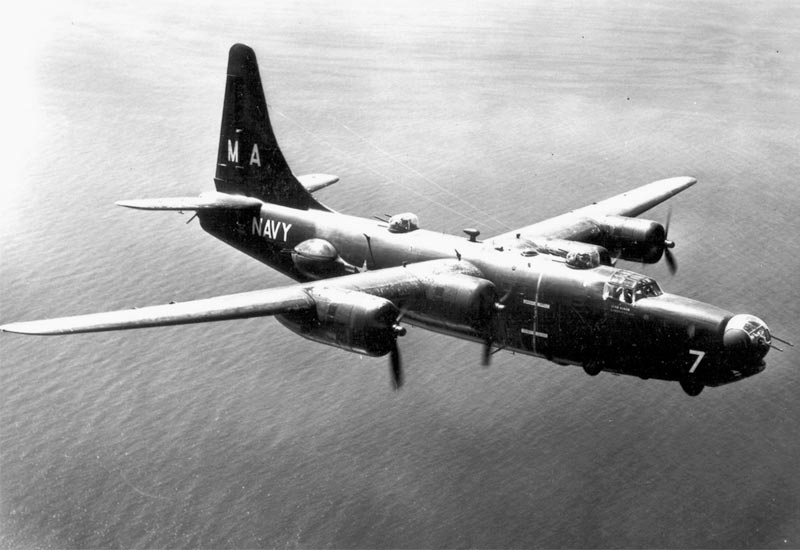
Consolidated PB4Y-2 Privateer
The Consolidated PB4Y-2 Privateer was a further development of the USN PB4Y-1 anti-submarine aircraft, itself a modified B-24 Liberator.
By Staff Writer
The Consolidated PB4Y-2 Privateer was a further development of the United States Navy's PB4Y-1 anti-submarine warfare aircraft which, itself, was a further variant based on the successful Consolidated B-24 Liberator bomber aircraft. Fielded during the latter half of World War 2, the Privateer went on to see action in the skies of the Korean War as well, supplying the USN with a long-range strategic reconnaissance need. The system appeared in limited numbers in the Second World War but would see a total production count of well over 1,300 examples by the end of its production run.
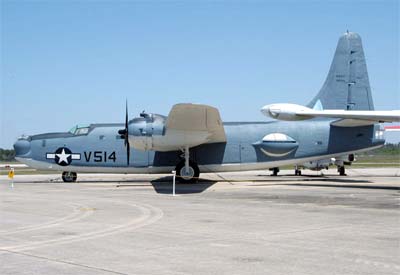
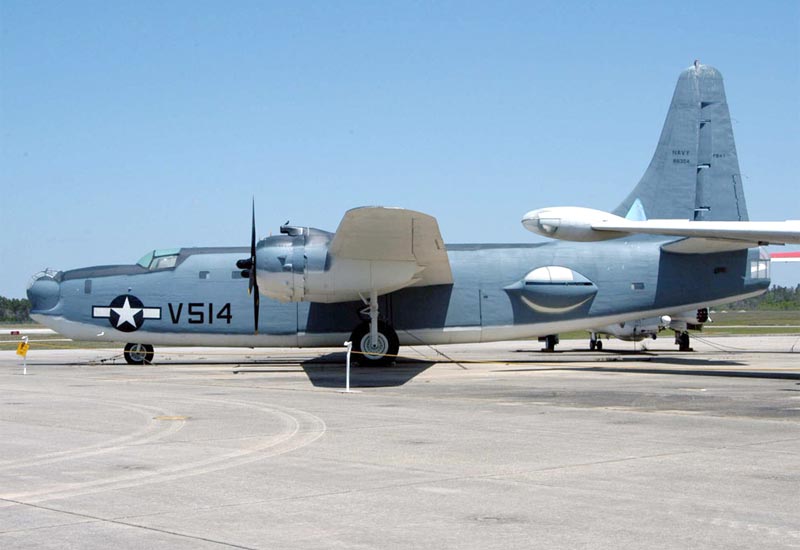
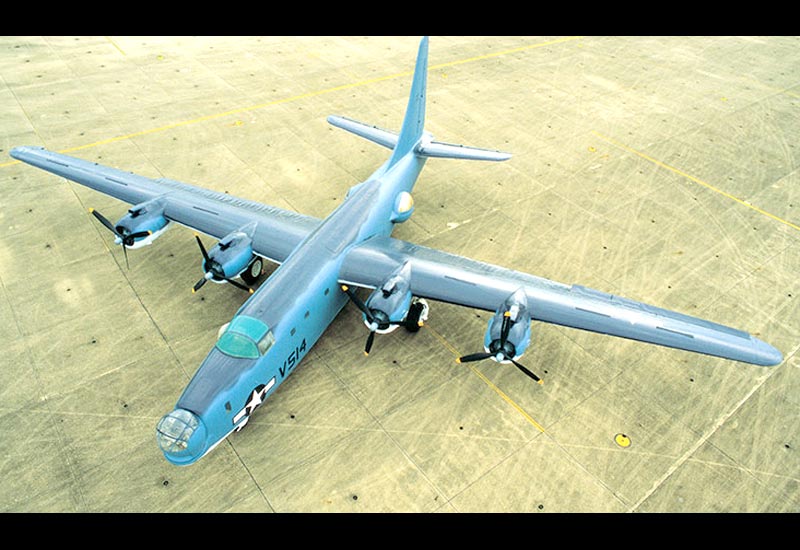
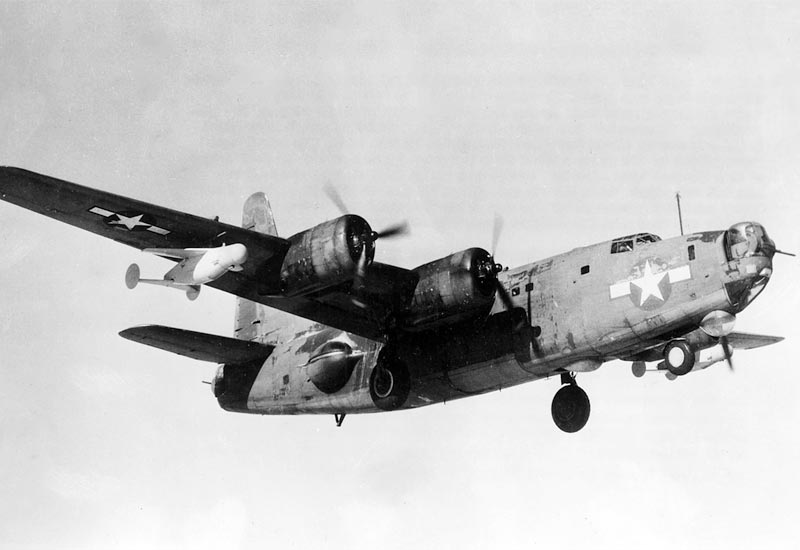
Definite visual similarities to the Consolidated B-24 offering can clearly be observed in the PB4Y-2 system with the exception of the single vertical tail system as opposed to the dual fin found on the Liberator models. Of particular note with the Privateer was the defensive armament, being fielded with no less than 12 x 12.7mm heavy caliber machine guns mounted in nose, tail, waist and dorsal turret positions. An additional 12,800lbs of bombs could be carried and the aircraft was operated by a crew of eleven personnel - most manning the machine gun emplacements.
Three prototype PB4Y-2's were ordered and flown, all based on the preceding PB4Y-1 Navy models, designed specifically for anti-submarine warfare. Like previous Liberator models, the PB4Y-2 Privateer was fielded with four Pratt & Whitney-brand radial piston engines, mounted on a high-wing monoplane at the center of the fuselage. The Privateer maintained the basic Liberator design with the exception of additional defensive armament positions and the identifiable blister emplacements at the left and right waist gunner positions - each mounting dual 12.7mm machine guns.
The Privateer operated well into the years encompassing the Korean War, serving in some capacity as Elint (electronic intelligence) models. A single Privateer was also the first casualty of the Cold War, being engaged and shot down by Soviet forces. Some Privateers were utilized in the maritime patrol mission as well. In all, it was an economical stop-gap design that served well for a number of years - too late for much use in World War 2, but serving an effective role in the post-war years nonetheless.
Text ©2003-2009 www.MilitaryFactory.com • All Rights Reserved •
No Reproduction Without Permission • Corrections / Comments to MilitaryFactory at Gmail dot com
|